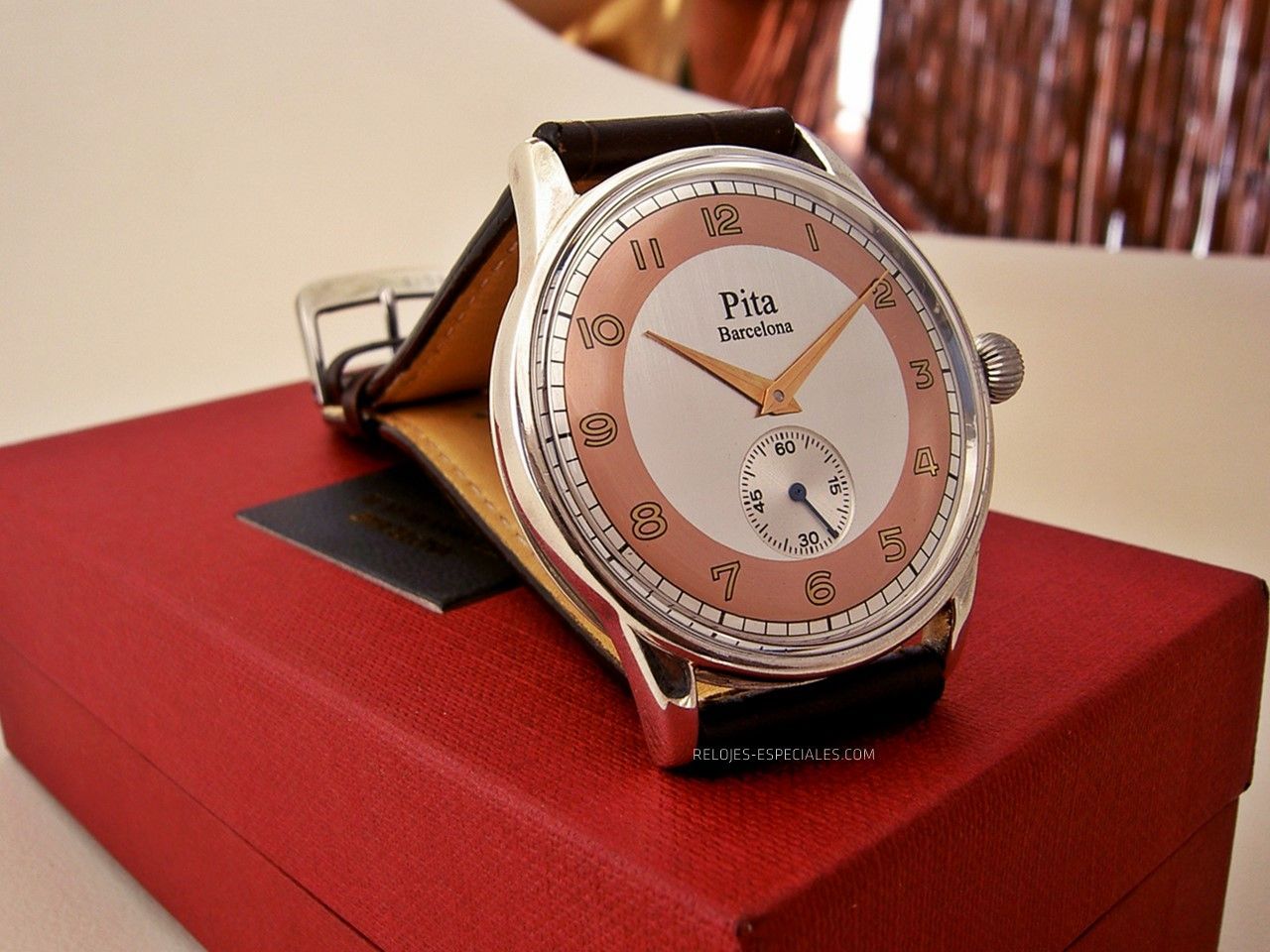
This is the story of the RE1, a watch by A. J. Pita for Special Watches. The first, because after this two more watches would come: the RE2 and the RE3. A story, by the way, that at the time of telling it is already more than 15 years old, almost as long as the forum itself. To situate ourselves, it must be said that at that time the Internet was slightly different from now and the resources They were more limited. Aliexpress or Amazon did not exist (Google did, but not Gmail), companies still communicated by fax and accessing industrial suppliers to, for example, make a personalized watch was little less than a utopia.
Browsing the internet
We, a group of fans, found ourselves in that situation (the“four gatos") that we had just started a forum that we could not even remotely imagine would reach today. And since ignorance is very daring, we decided to try it. The first thing we decided - before anything else, really - was the price: it couldn't go over 300 euros. The next thing was to see who could sell us calibers, cases, dials, hands... and see who assembled all that. Google searches showed curious, if not disappointing, results: only a few suppliers -Swiss or German- who, if they gave that information, asked for minimum quantities far beyond our possibilities.

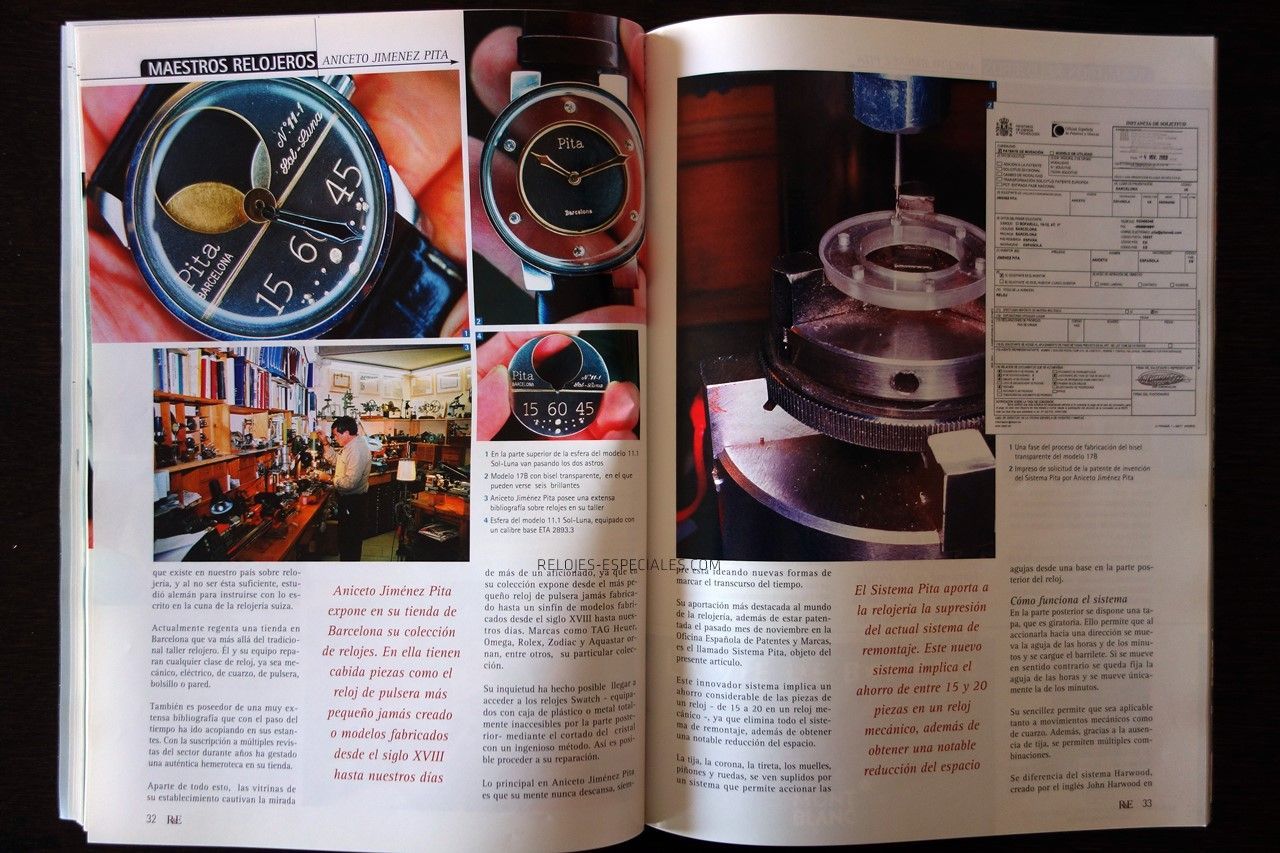
It was at that time when, thanks to an article in the magazine Relojes y Diseños, I learned about a watchmaker from Barcelona who in his free time dedicated himself to making his own watches. Now, after having met a few watchmakers, I know that – like any professional – when they finish their work day what they try to do is disconnect. This was not the case with Aniceto: his eyes shine – still today – when he talks about the subject, and he is capable of leaving whatever he is doing for a good watch conversation.
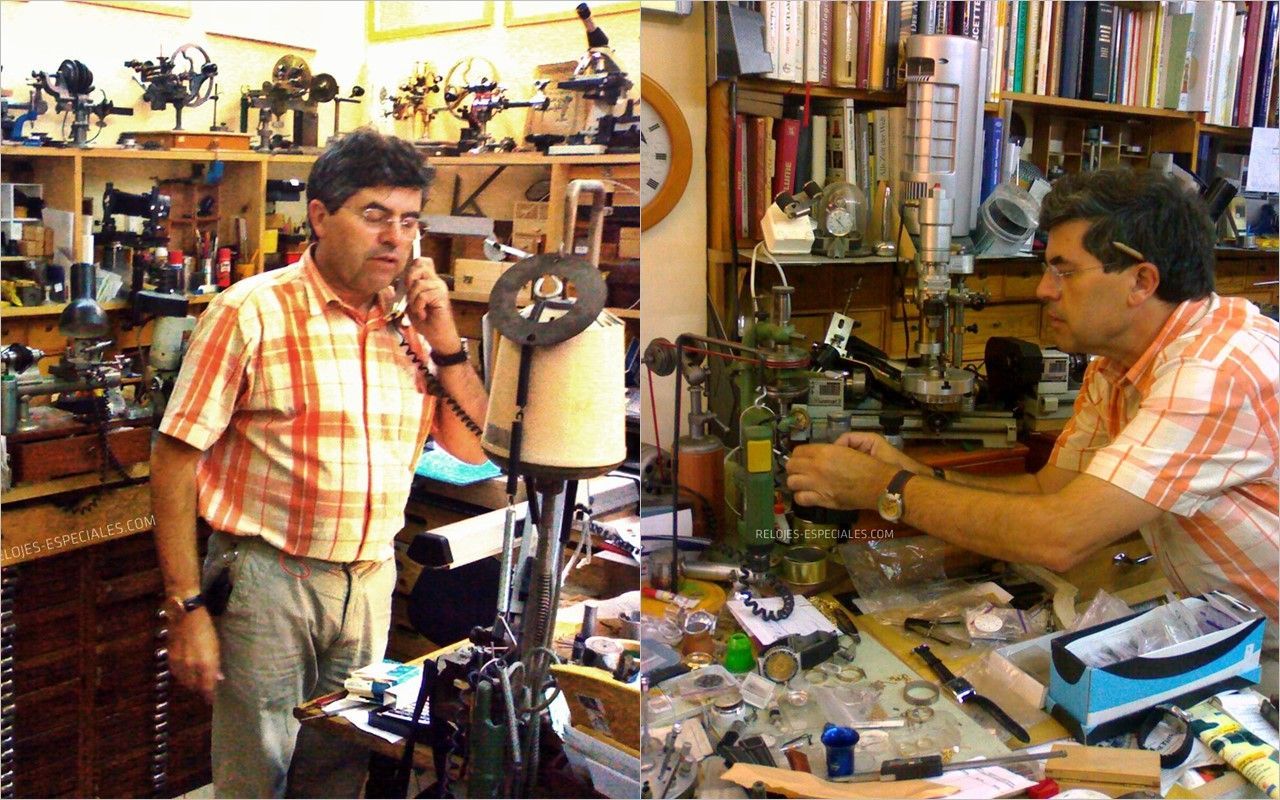
Aniceto Jimenez Pita
Aniceto Jiménez Pita is a self-taught watchmaker who learned the secrets of the matter on his own. Originally from Oliva de Mérida (Badajoz), at the age of 16 he moved to Barcelona with his family. As the literature available in Spanish was scarce, he learned German to be able to continue studying, something he has not stopped doing to this day. For more than 60 years he has not only unraveled the secrets of watchmaking but has developed several patents, the most important of which is the elimination of the “remontoir” in a watch. More simply put: being able to set a watch without needing a crown, which allows it to be removed.
It was with this invention that at that time, at the beginning of 2004, Aniceto presented his candidacy for the prestigiousAHCI(the Academy of Independent Creative Watchmakers). I still remember his happy expression when he told me – we had just met – that he had high hopes of being admitted. And of course he was, and he entered the select club of Vincent Calabrese, FP Journe or the Baumgartners of Urwerk. But that's another story.
RE1, a watch by A. J. Pita for Special Watches
What is interesting here is how a master watchmaker about to enter the Olympus of Independent Creators gets involved with an amateur forum that had not yet existed for a year. Because now, in 2020, there are many agents in the watch sector who know what Special Watches are, but then we were nothing more than a very small dot on the Internet map. I swear that what I am going to tell is true: two days after meeting Aniceto J. Pita I was thinking about the topic of our forum watch and the difficulties we were encountering. So I thought that if anyone had access to all that (from components to assembly) it was precisely him. Since we already had the “no”, I decided to call him. I was reaching towards the phone (landline, cell phone rates were very expensive) when it rang.
Indeed, it was him, and I remember his words well: "Hello, I'm Aniceto. Hey, I would really like to make that watch for you..." It's that simple, that complex. Of course I had told him about our crazy idea of "making us a watch", but at that time it hadn't occurred to me to ask him. First because he was immersed in his candidacy and second because I had just met him and I didn't really know who, if anyone, was dedicated to those things of assembling personalized watches.
Well accompanied
From there everything began to take shape quickly. We were clear that what we wanted was a classic type watch (what we have been calling “dress”), for which we agreed that the size should not exceed 38mm. But little more. Pita's knowledge of the market was of great help here. Initially there was talk of getting AS1130 calibers, but there weren't going to be enough, and little by little we ended up with what was then known as Peseux 7001 (today called Eta 7001). It is a relatively small manual caliber, with a seconds hand at six o'clock that allowed for the classic configuration that would be reminiscent – vaguely, of course – of a pocket watch.
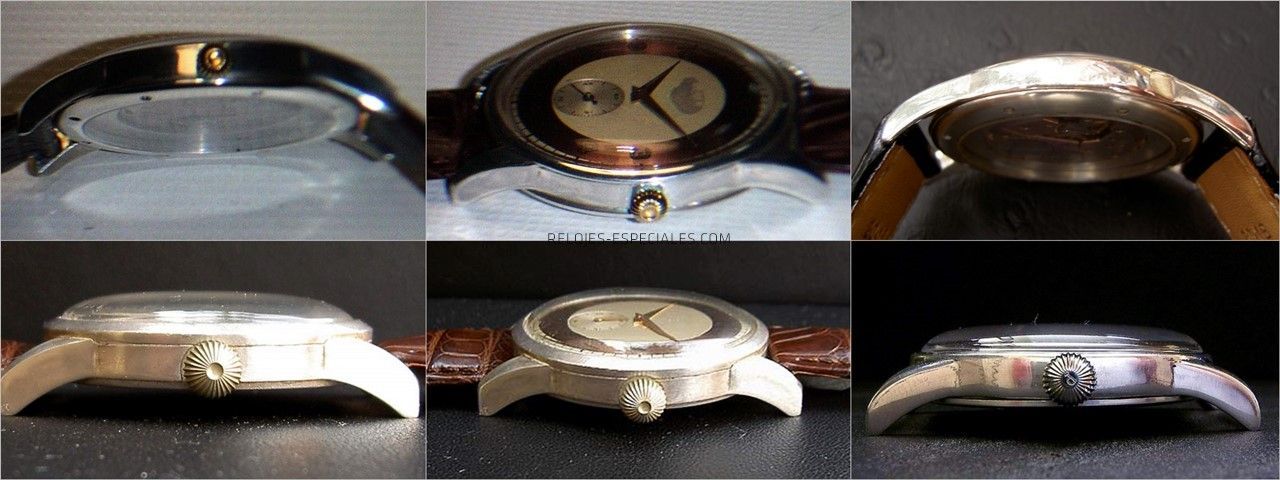
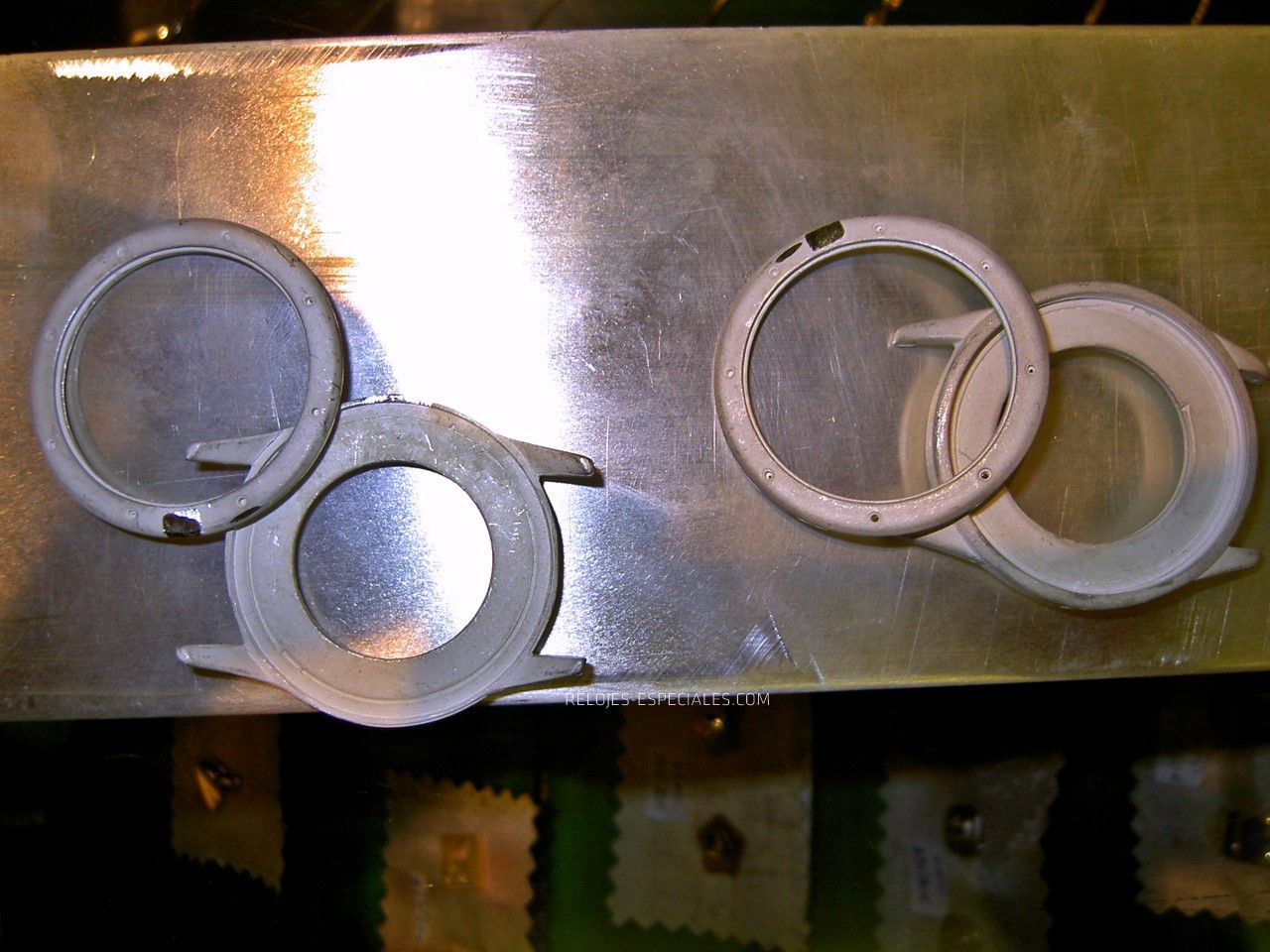
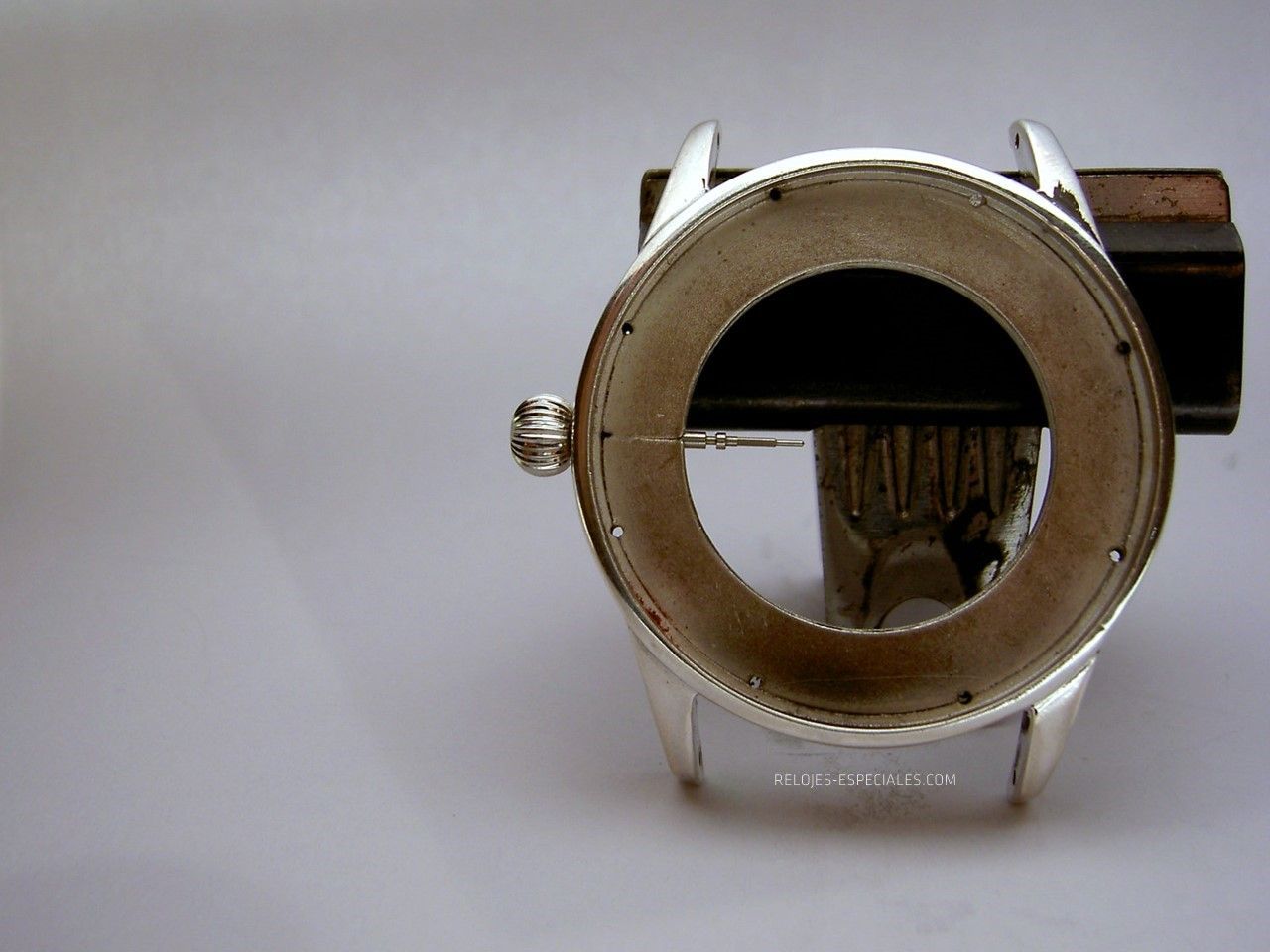
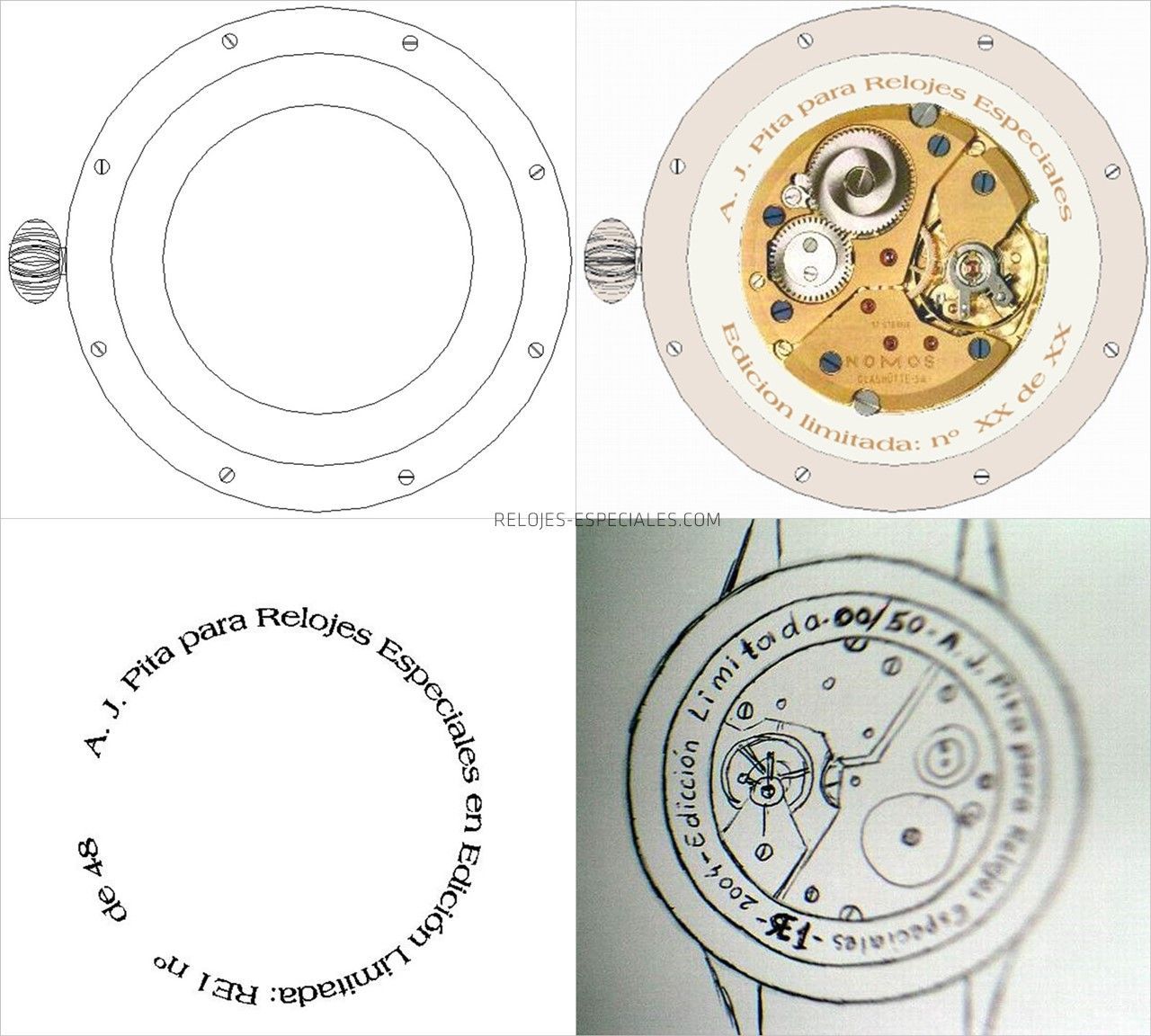
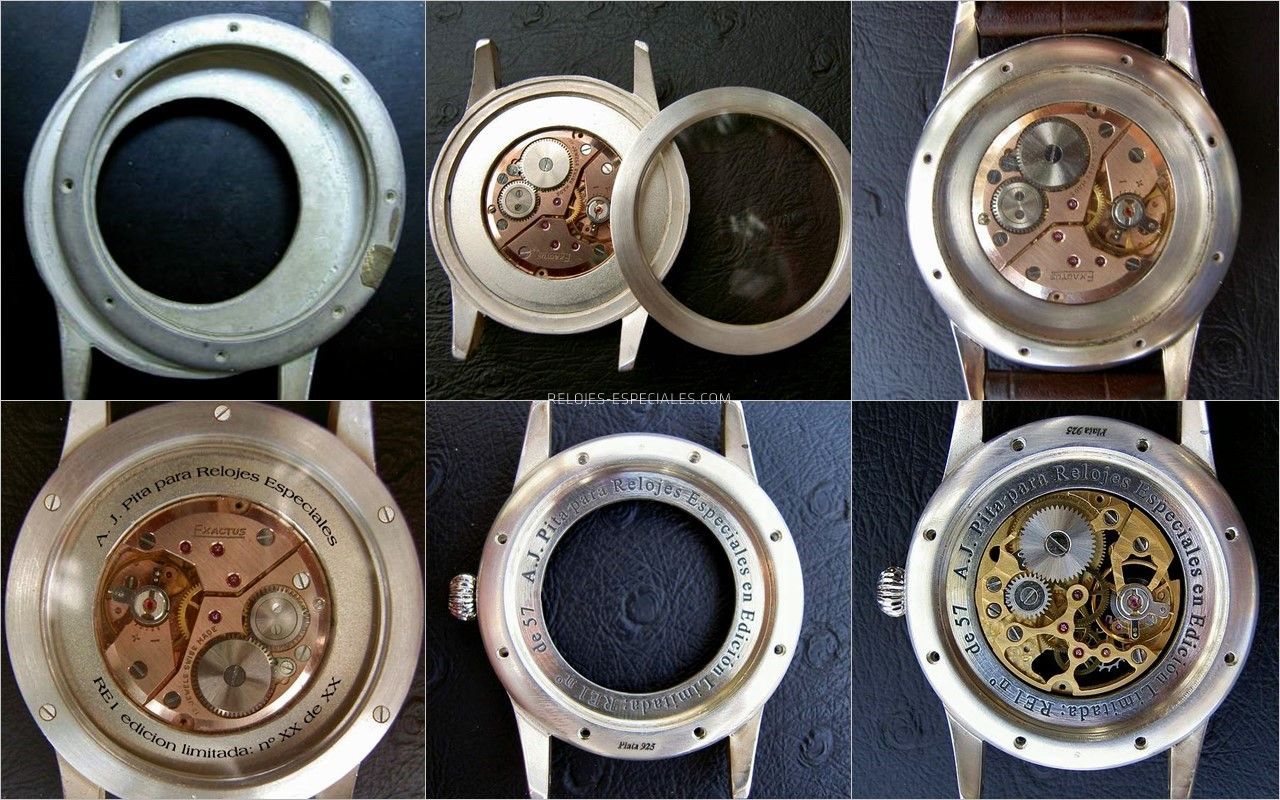
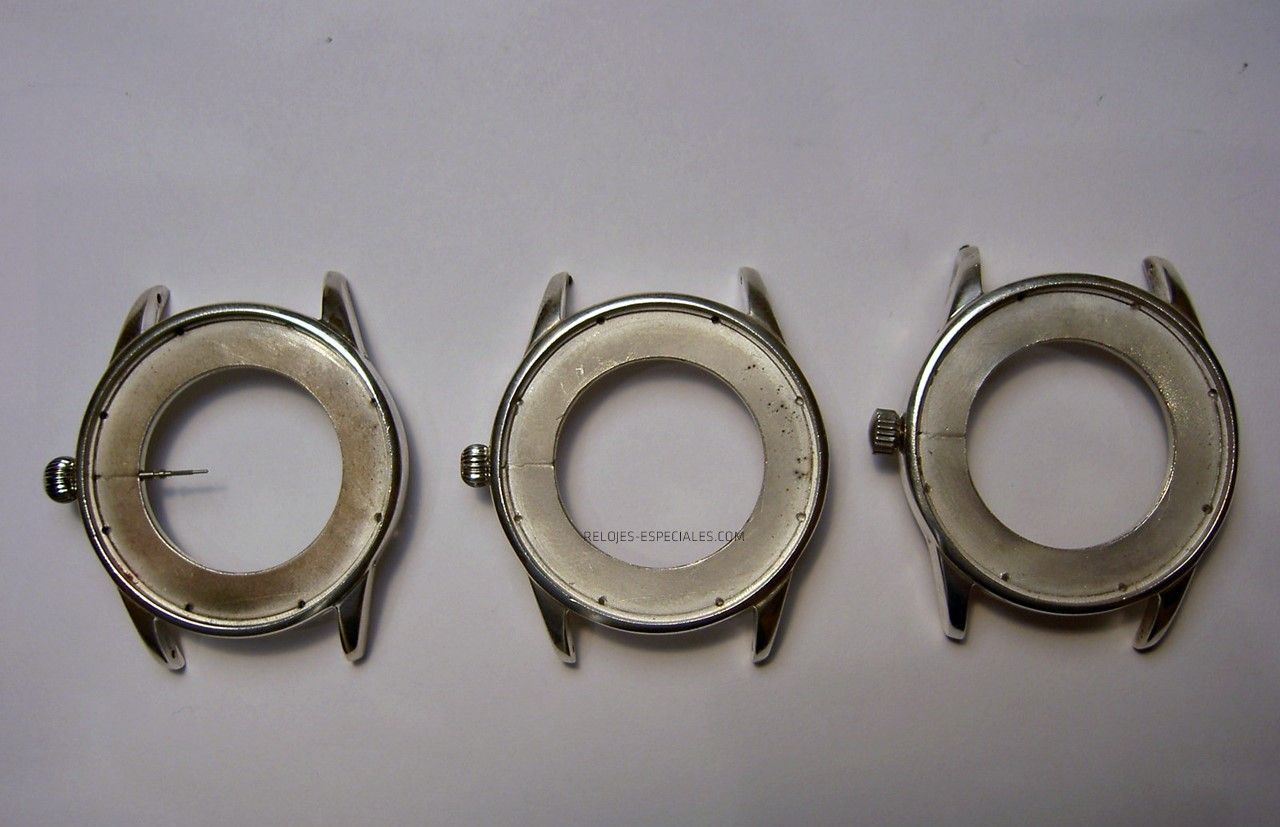
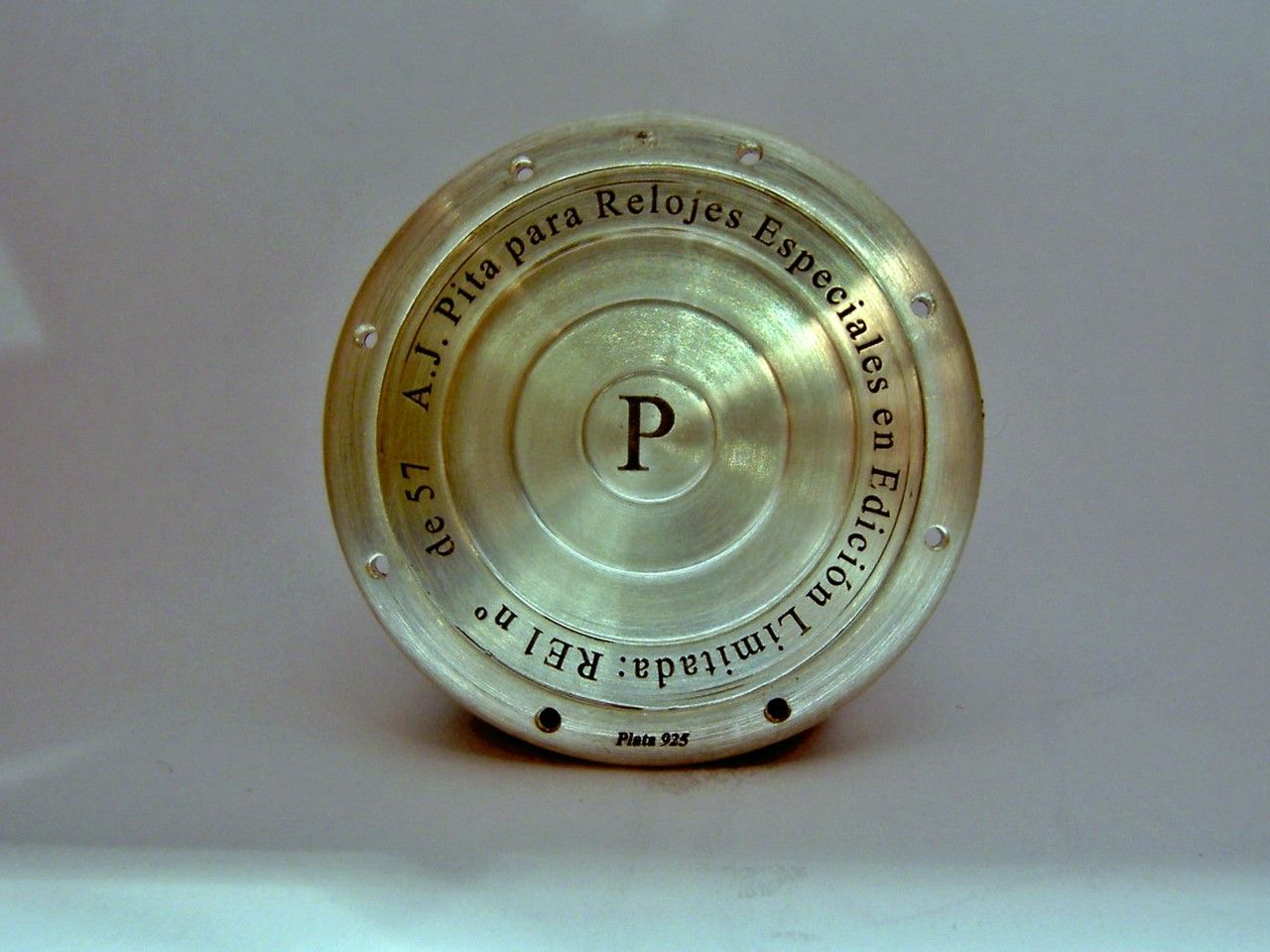
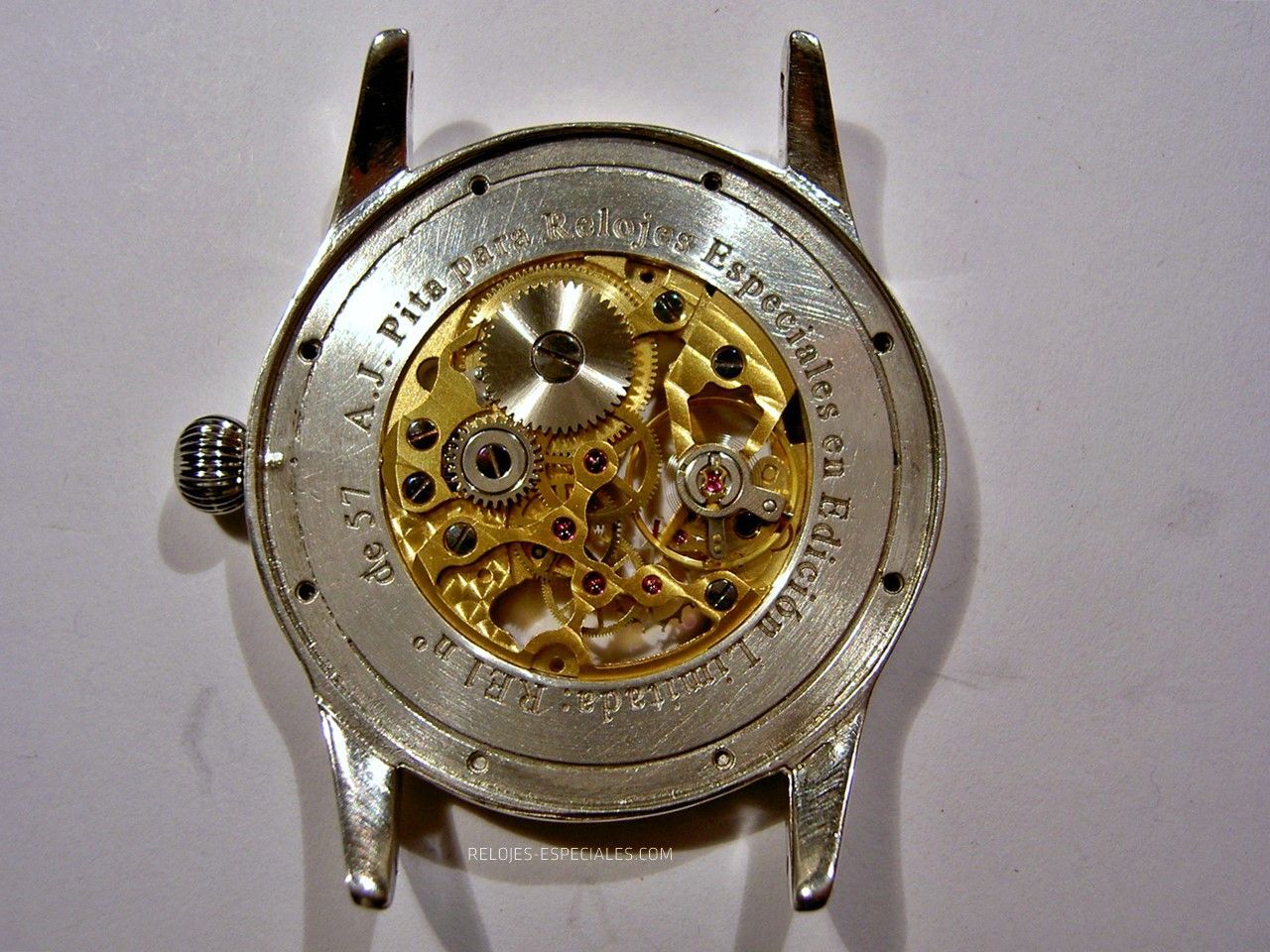
By mid-2004 we already knew that it was going to be a watch in a silver case. A luxury that paradoxically made things easier by being cast and not having to order a very limited run from a box manufacturer. Here Aniceto's skill was manifested again, because there was really a lot of difference in diameter between the case (even the internal measurement) and the caliber itself. He solved it masterfully by including an extra ring – what is technically known as a “robe” – to hug him. That ring would not only carry the commemorative inscription but would serve to house the screws that would fix the transparent back (or not) to the box itself. The crystal would be plastic (“plexi”, for those in the know), because it was more consistent with the set and the era from which it was inspired… and because a curved sapphire was going to take up half of the watch's total budget.
The face is the mirror of the soul
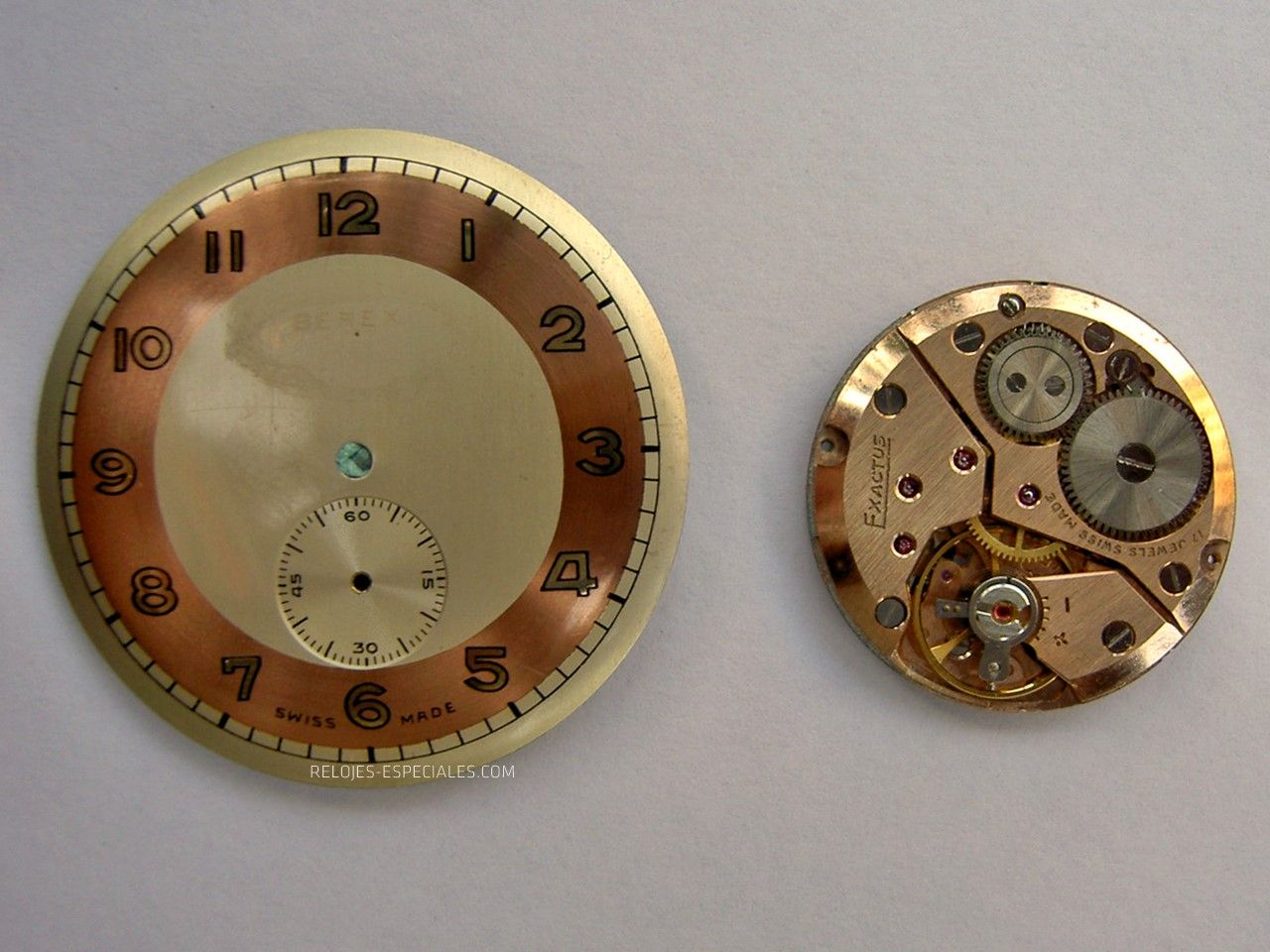
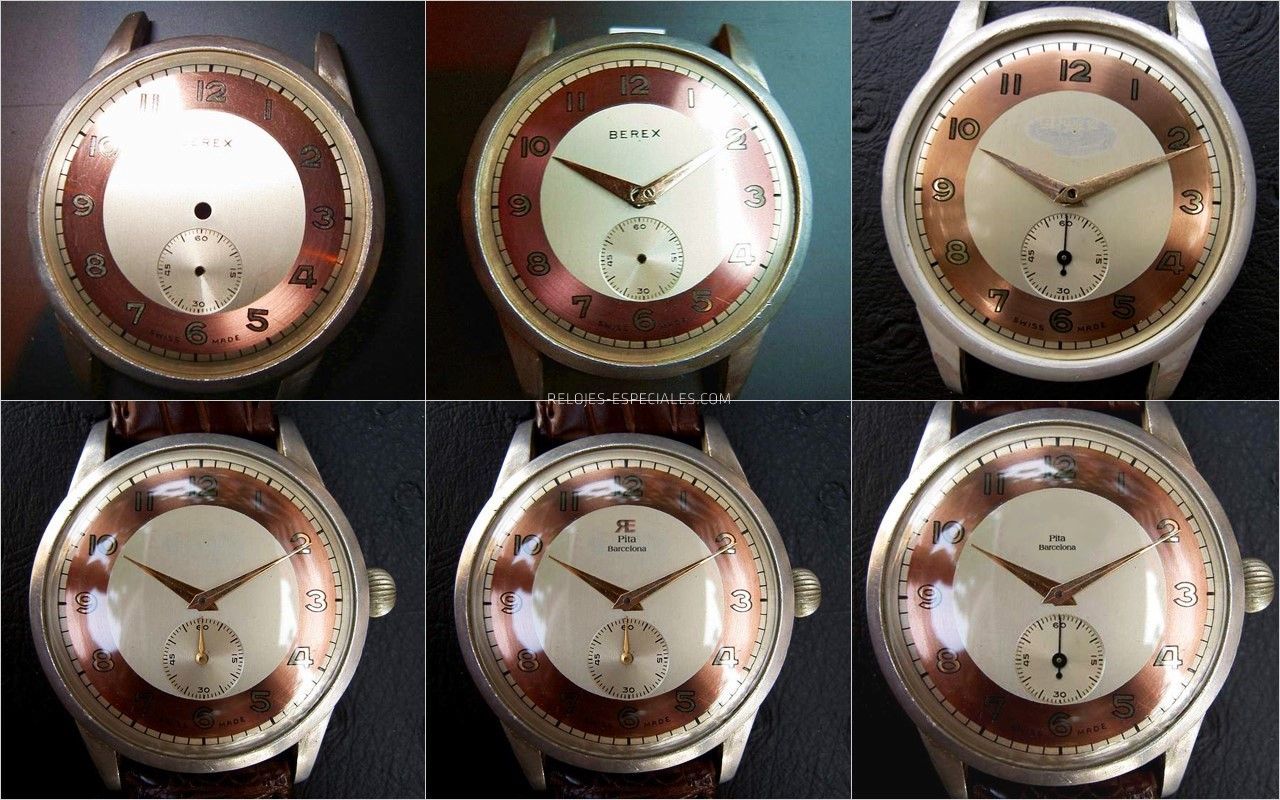
Without being the most important thing on a technical level, a dial determines the whole of a watch. There we also have Pita and the enormous collection he has, no less than two hundred perfectly organized in coin collecting books. I wouldn't be honest if I said that it was very difficult to choose it, because it was seeing it as I turned the pages and knowing that it would be that one. A beautiful combination of light ivory, copper and old gold from an unknown brand called Berex, which was probably an “assembler” of pieces purchased from different suppliers. The ivory color turned into silver and the “chemin de fer” (the perimeter section of minutes) grew a little to reach the ideal diameter, while the drill was relocated so that the small minutes would fit into the Peseux 7001 that was already on its way. And the person in charge of manufacturing our dials was not just anyone: Cador manufactures for some of the most popular brands in Switzerland and Germany.
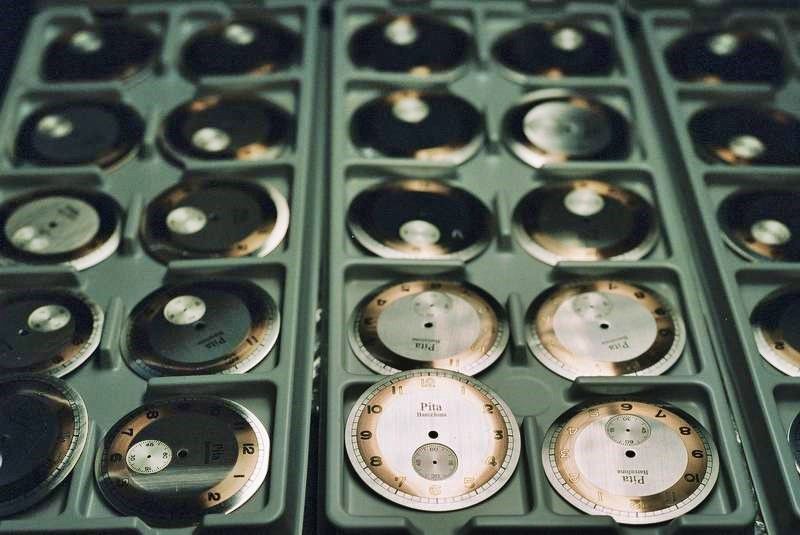
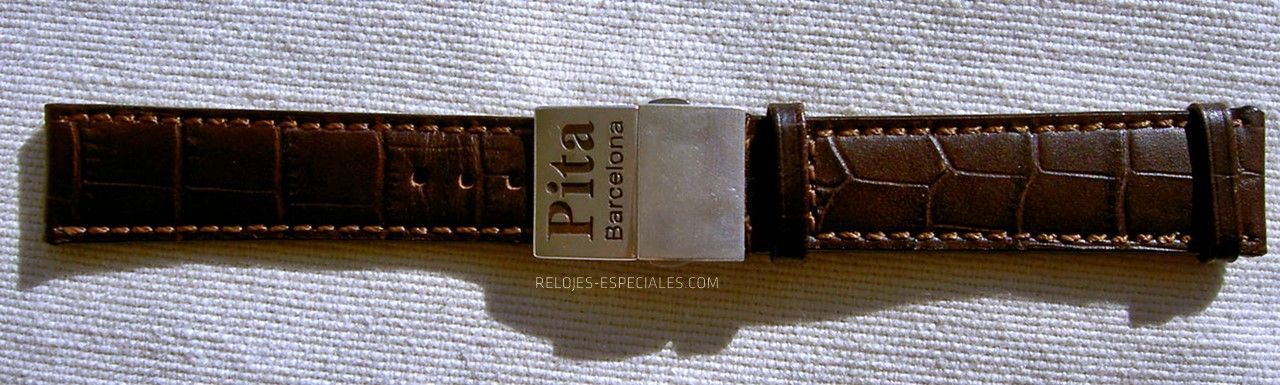
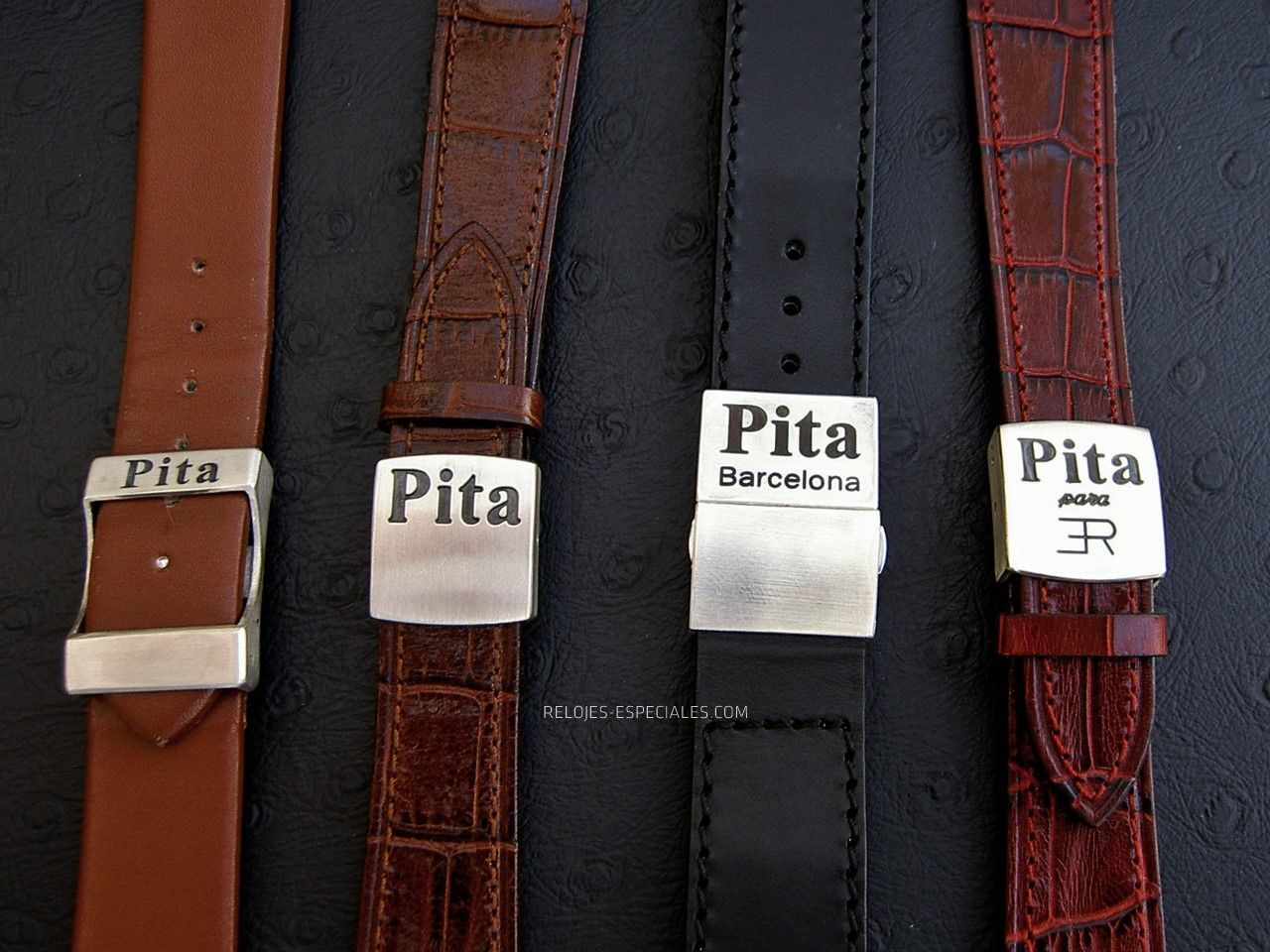
One of the things that caused some polarization was the RE logo. Did we put it on the dial, next to the name of Pita? In the back? At that time we did not have the logo that the page has today, and in reality we did not have a logo as such. Finally, and now I am very happy, it was decided by vote not to put a logo that I am sure we would see out of place today. Instead, it was proposed –Pita, once again– a collection of clasps and buckles that would carry it. In silver, of course. The straps, with their copper-colored stitching, seemed to be made specifically for the RE1. They were provided by RIOS through a good friend who is flying very high today (hugs, Nick). Another issue: the background, transparent or blind? Of the Peseux obtained by Aniceto there were three types: steel color, copper color and skeletonized copper color. Again, the teacher's proposal: you could choose between both options, and neither of them was going to disappoint. If anything to raise doubts, because they were both tremendously attractive, and I refer to the photos. We even had crowns to choose from.
Really limited series
How many units does a series have to consist of for it to be truly exclusive? I'm not talking about future revaluations (that concept was not even considered at that time) but rather about the owner's pride in knowing that he was not going to find another watch equal to his, but that if that happened he would have a guaranteed conversation for a while. At one point we had 46 registered, but new interested parties were appearing as we published images of the project's progress. One day we were in Pita's workshop polishing the details, the topic came up and I asked him “Aniceto, how old are you?” “Fifty-seven just turned in May.” Well, we now have the limited series, and with an added reason such as being able to date the project chronologically without having to write the year on the watch itself.
We were in June 2004, we already had the first prototype and it still took us almost another year to deliver it, between receiving the material, reviewing it, assembling it and starting to ship it. And I know all this sixteen years later because miraculously I preserve an extensive graphic archive from the time, including a drawing on a napkin that is what gives cache to these things. Not only that: whoever wants can get into a kind of time machineaquíand see in real time how we were doing at the beginning of 2005, when the spheres had not yet arrived in January. Not even almost in February. You will also be able to recognize some historical figures who are no longer in RE, or who have left, and you will see that this article is nothing more than the embodiment of an idea that already arose there and that for some reason did not end up seeing the light. To top off the anniversary, that year (2005) was the first in which Aniceto J. Pita exhibited at Baselworld as a full member of the AHCI. Serve as a tribute to all.
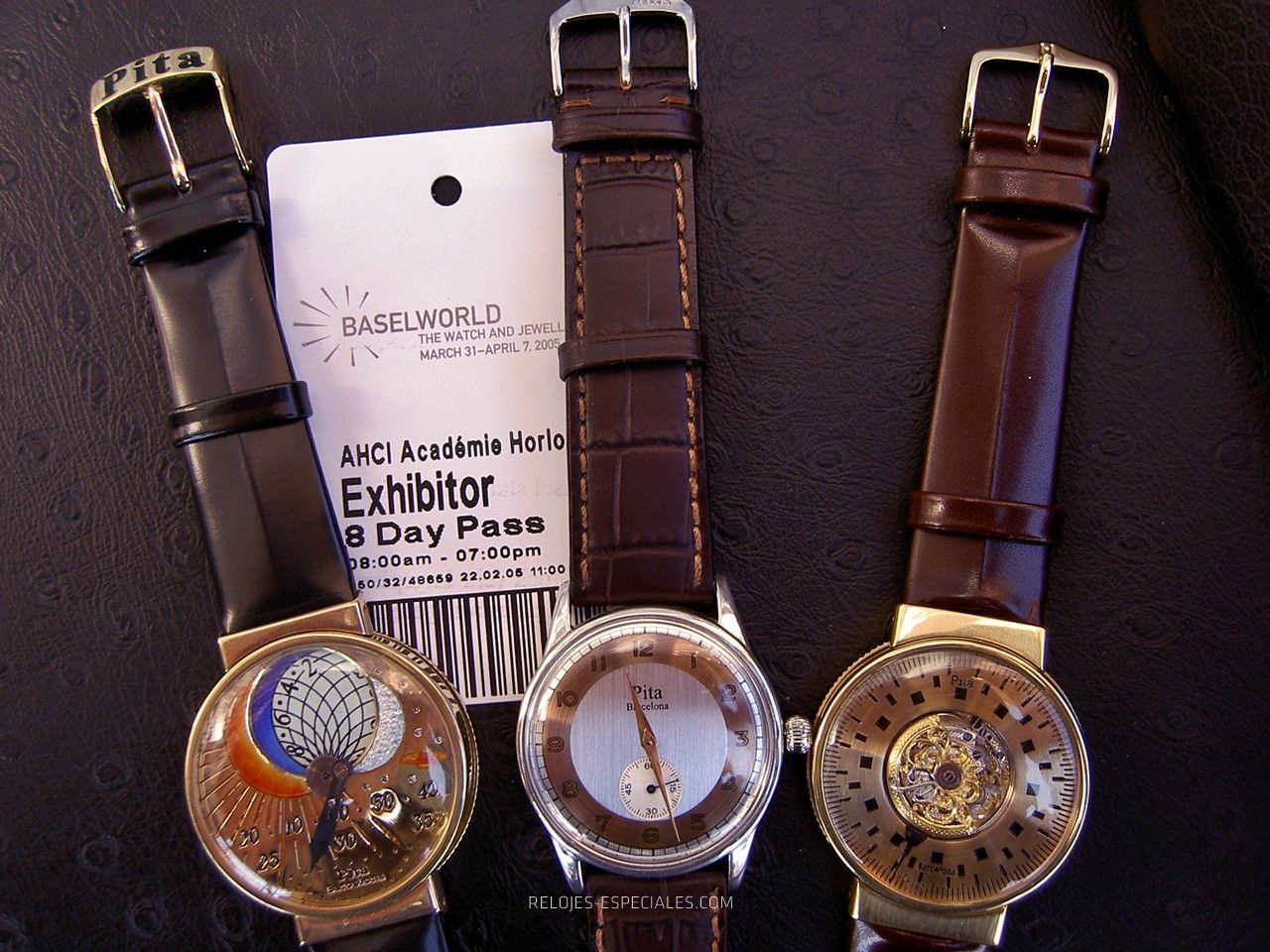
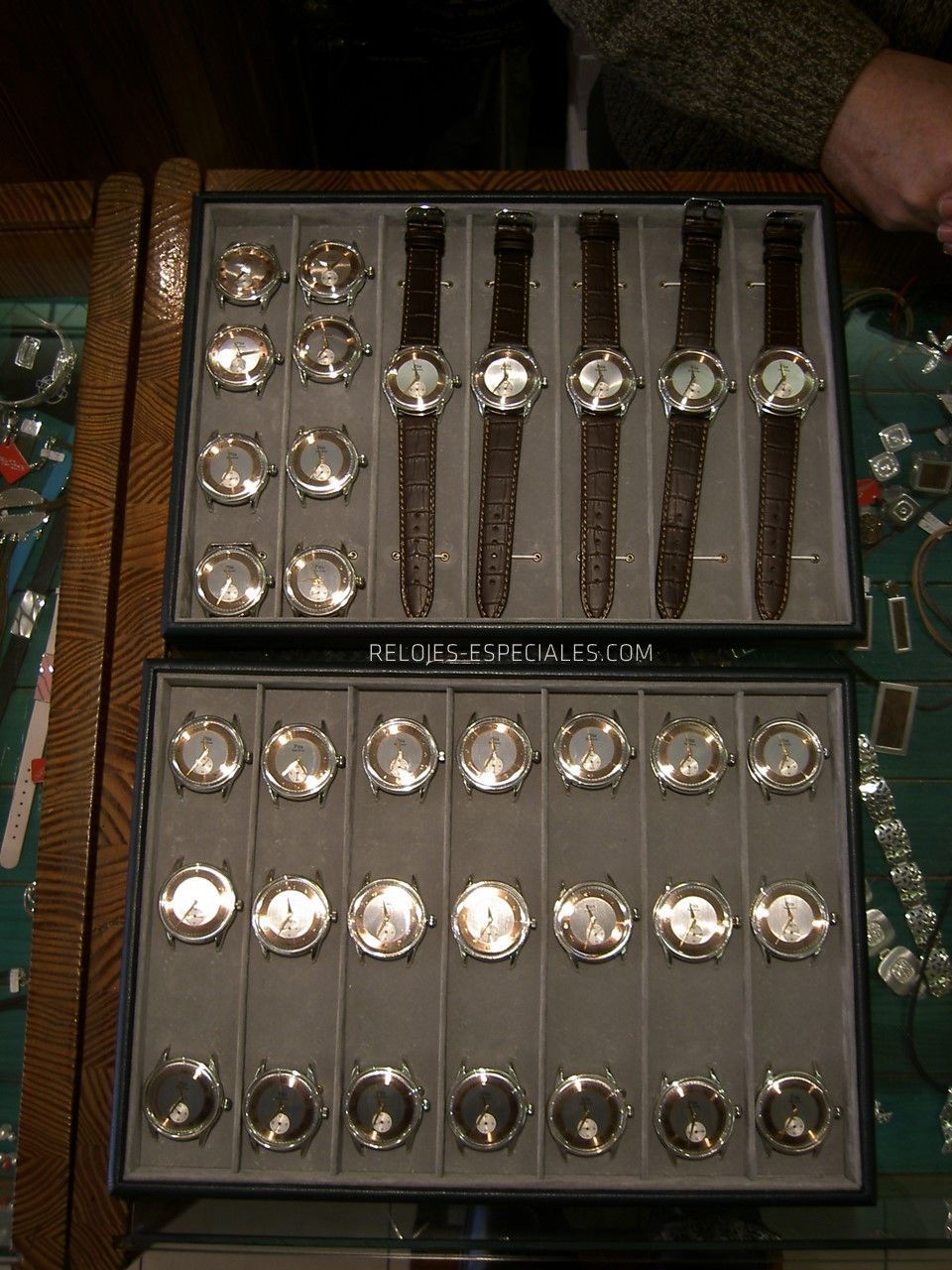
One last note: as if the RE1 were not special enough, it must be one of the few if not the only watch that enjoys a lifetime warranty granted by its own creator.