

Those who knowSeikoThey know that there is no brand with a better quality-price ratio: from the humble 5 Sports for a few euros to the sophisticated Grand Seiko with little or nothing to envy of big Swiss names. Between these extremes there are countless intermediate stations that range from phenomenal divers for professional use to elegant “daily wearers” that combine the latest in chronometry with centuries-old traditions such as enamel or Urushi, a layered lacquering and polishing technique executed entirely by hand. I'm talking about the Presage family, that great unknown to many friends of the brand and certainly a majority of the general public.
Find Bleeding Edge Supplements at Scandalous Prices on iHerb.

Launched in 2016 to celebrate the 60th anniversary of its first chronograph, the Presage series debuted with two watches whose dials were made precisely in those two techniques: one black in Urushi lacquer and the other white in white enamel. Being a manufacture with complications (chronograph and date) and with elaborate dials, the public thought that it would either be very expensive, or a limited edition, which would only be sold in Japan... or all of this at the same time. Quite the opposite: it would seem that Seiko was claiming its place among the greats by demonstrating that it could do great things at prices, if not economical, then relatively affordable. And, well, also a limited series from time to time.
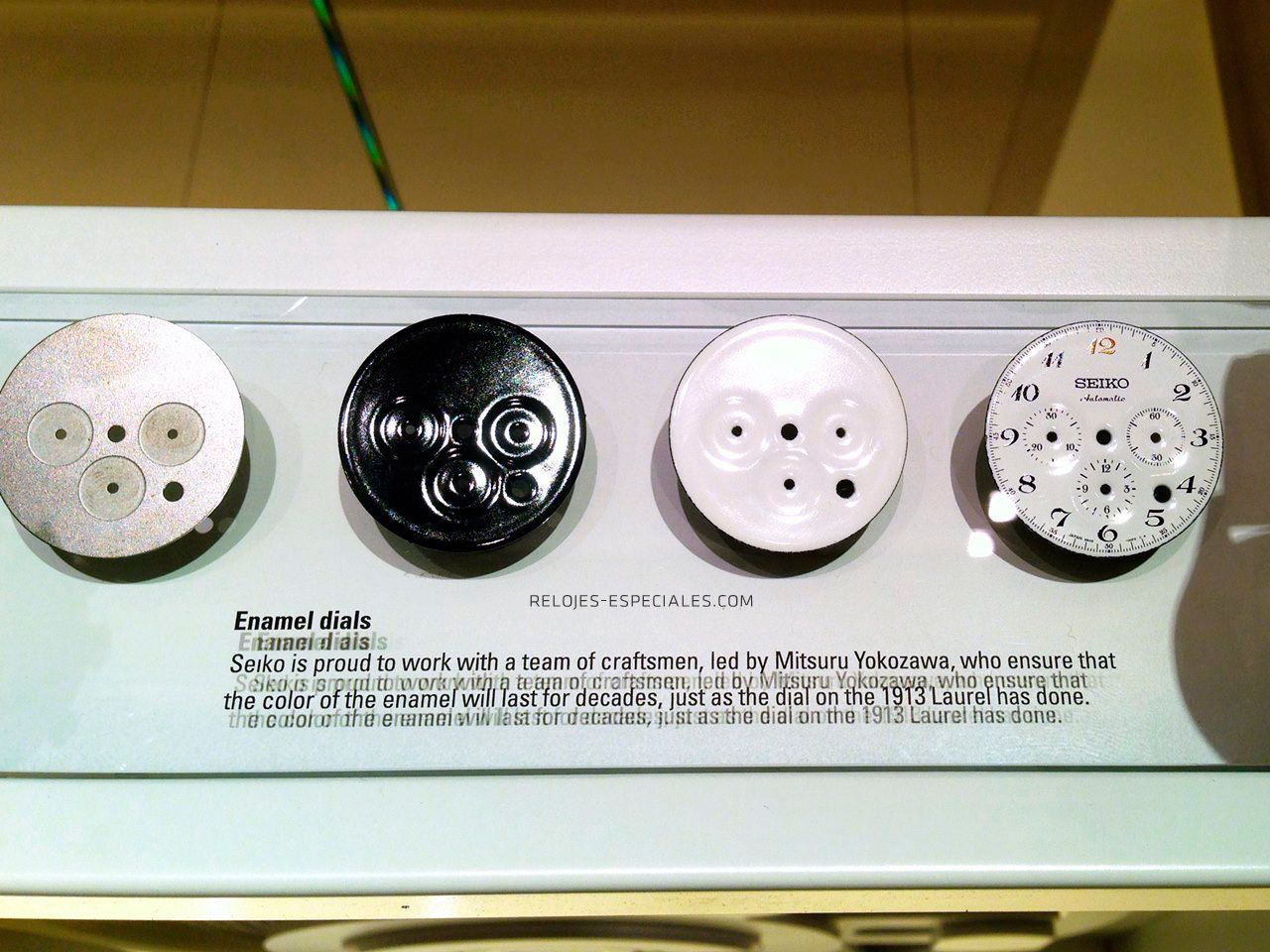
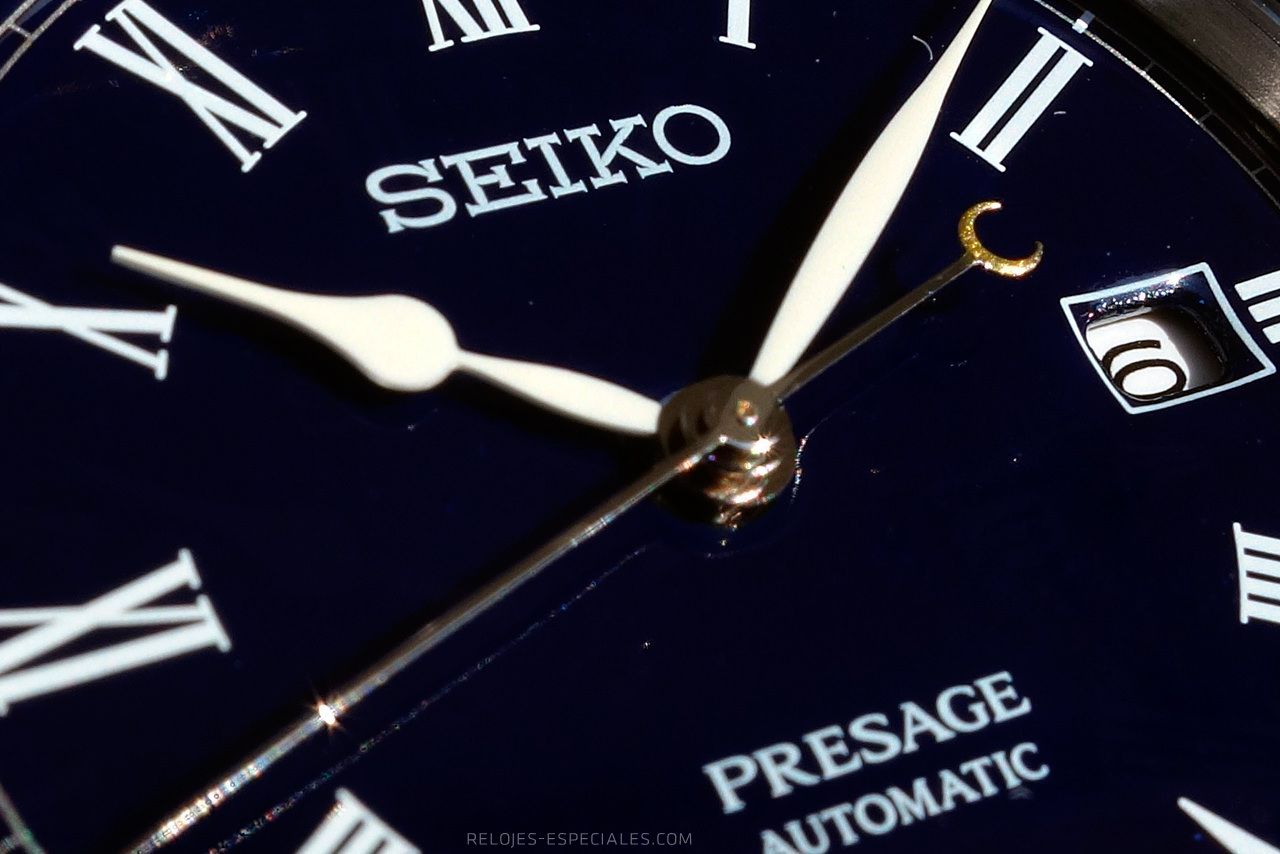
Its hallmark is the application of traditional craftsmanship in the most visible part of the watch: the dial. In 2017, emphasis was placed on enamel with several variations of this technique, and at the end of the year the Blue Moon was presented with its deep blue enamelled dial and a gold moon (Maki-e) evoking the fascination that the Japanese feel for the night skies. This dial was in charge of the master enameler Mitsuru Yokozawa, also responsible for the white enamels of other editions, who reviewed the 1,500 blue dials one by one.
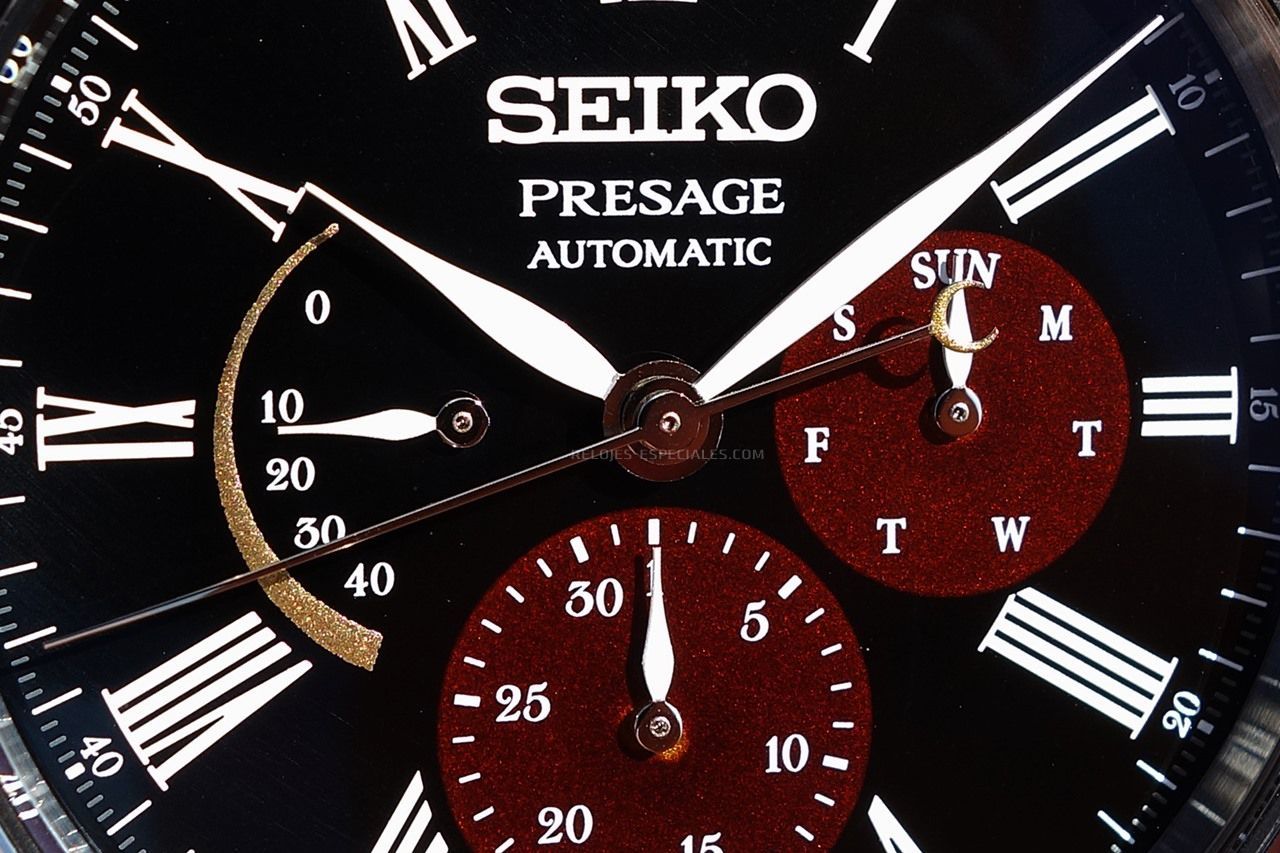
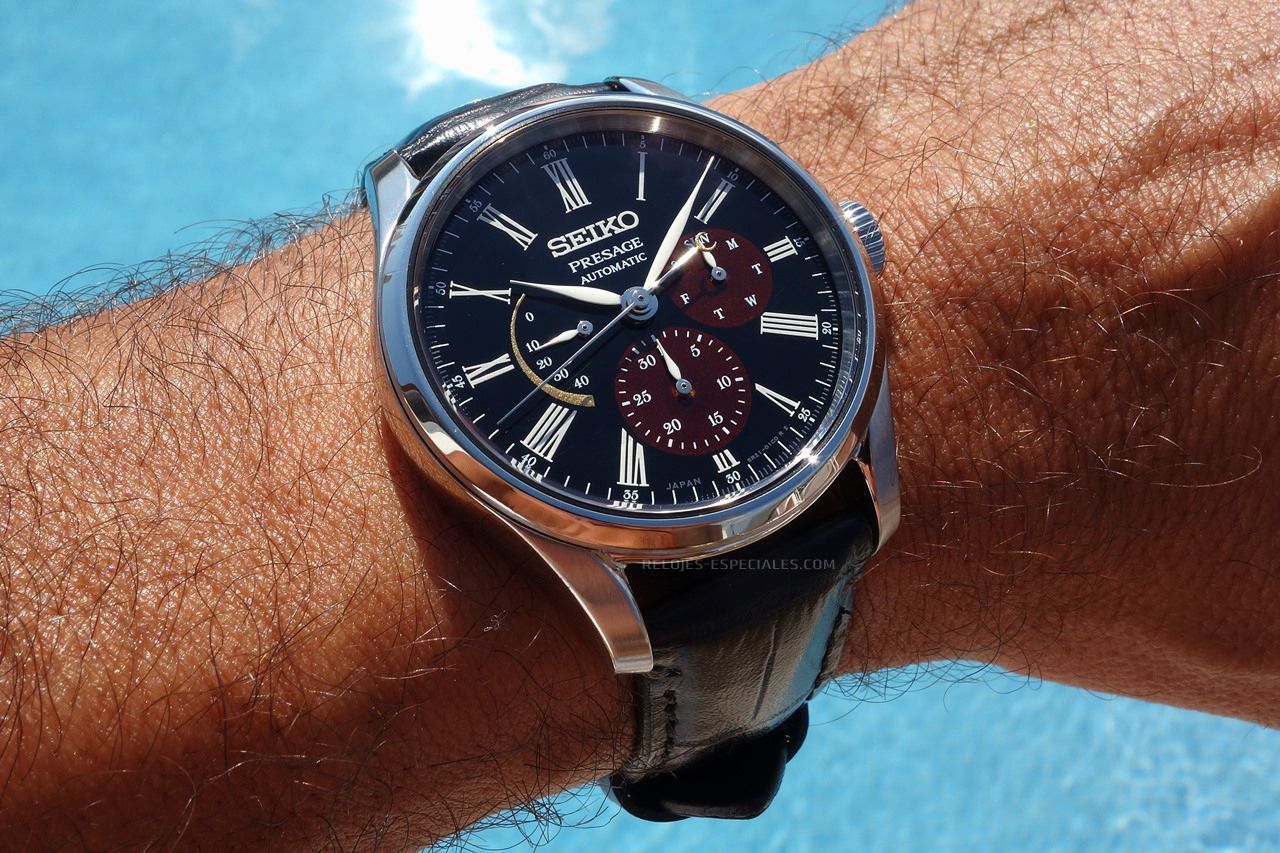
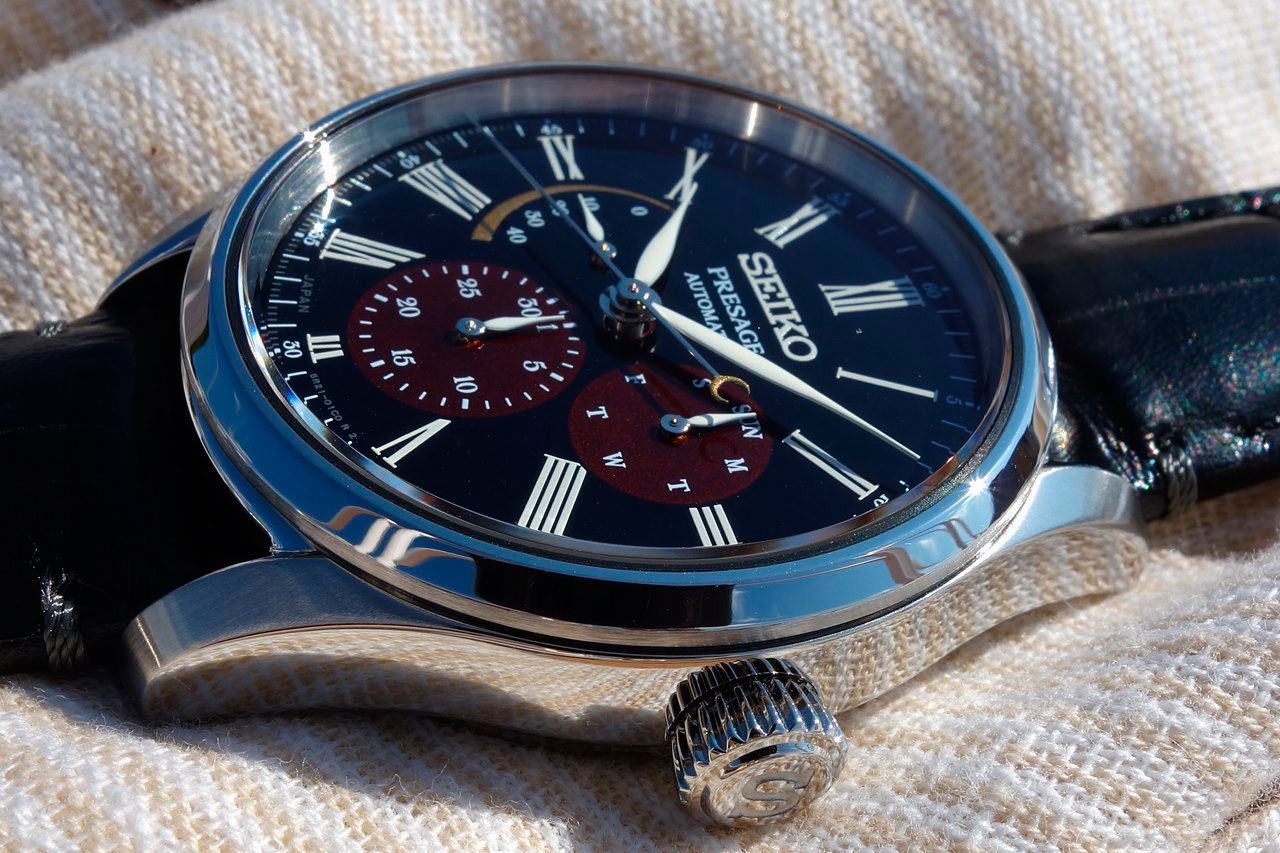
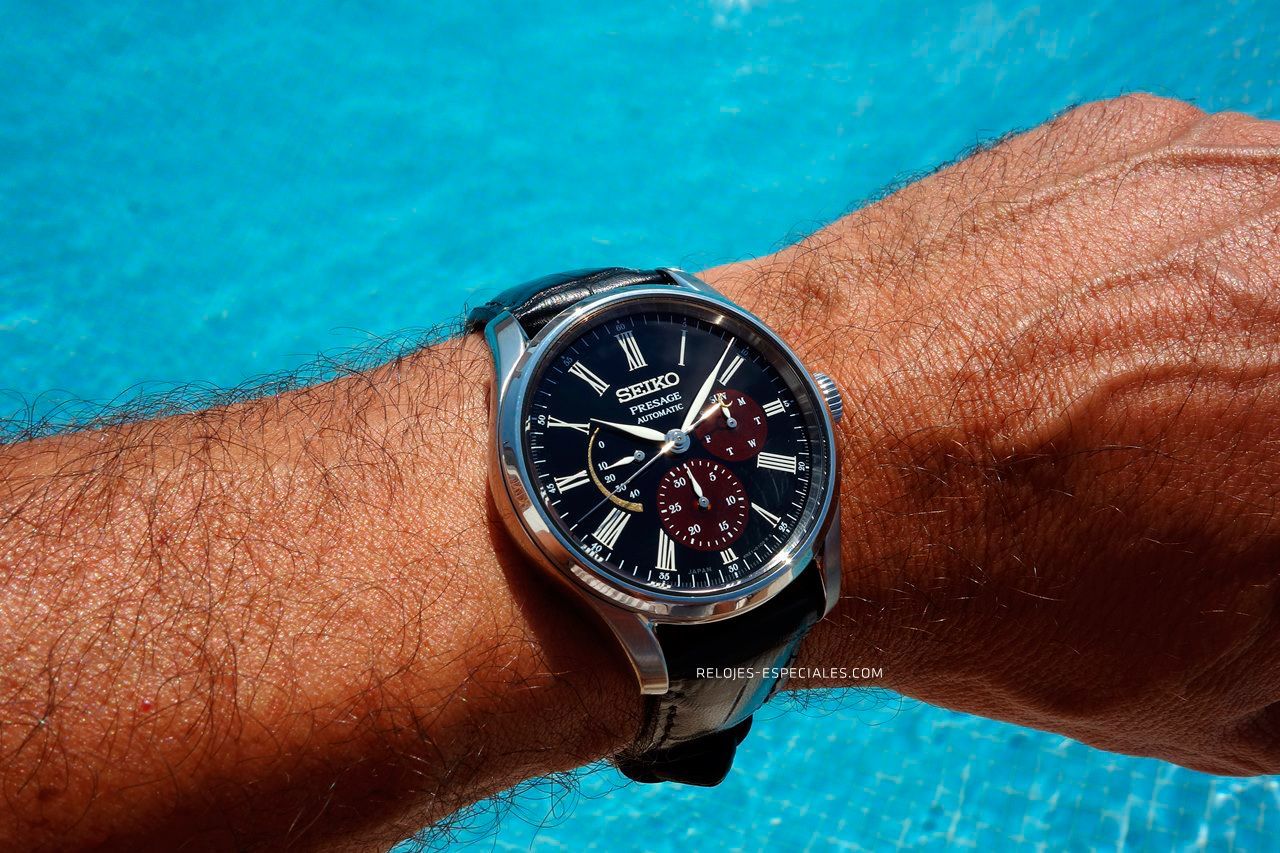
On this occasionSeikopresents theSeiko Presage Byakudan-nuri, a lacquering technique that goes beyond that of Urushi and consists of depositing gold or silver sheets or powder between layers of transparent lacquer. There are three techniques that are combined in this dial: Urushi for the dial, Byakudan-nuri for the subdials (for which the lacquer is dyed red) and Maki-e for the power reserve and the small moon that acts as a counterweight for the seconds hand.
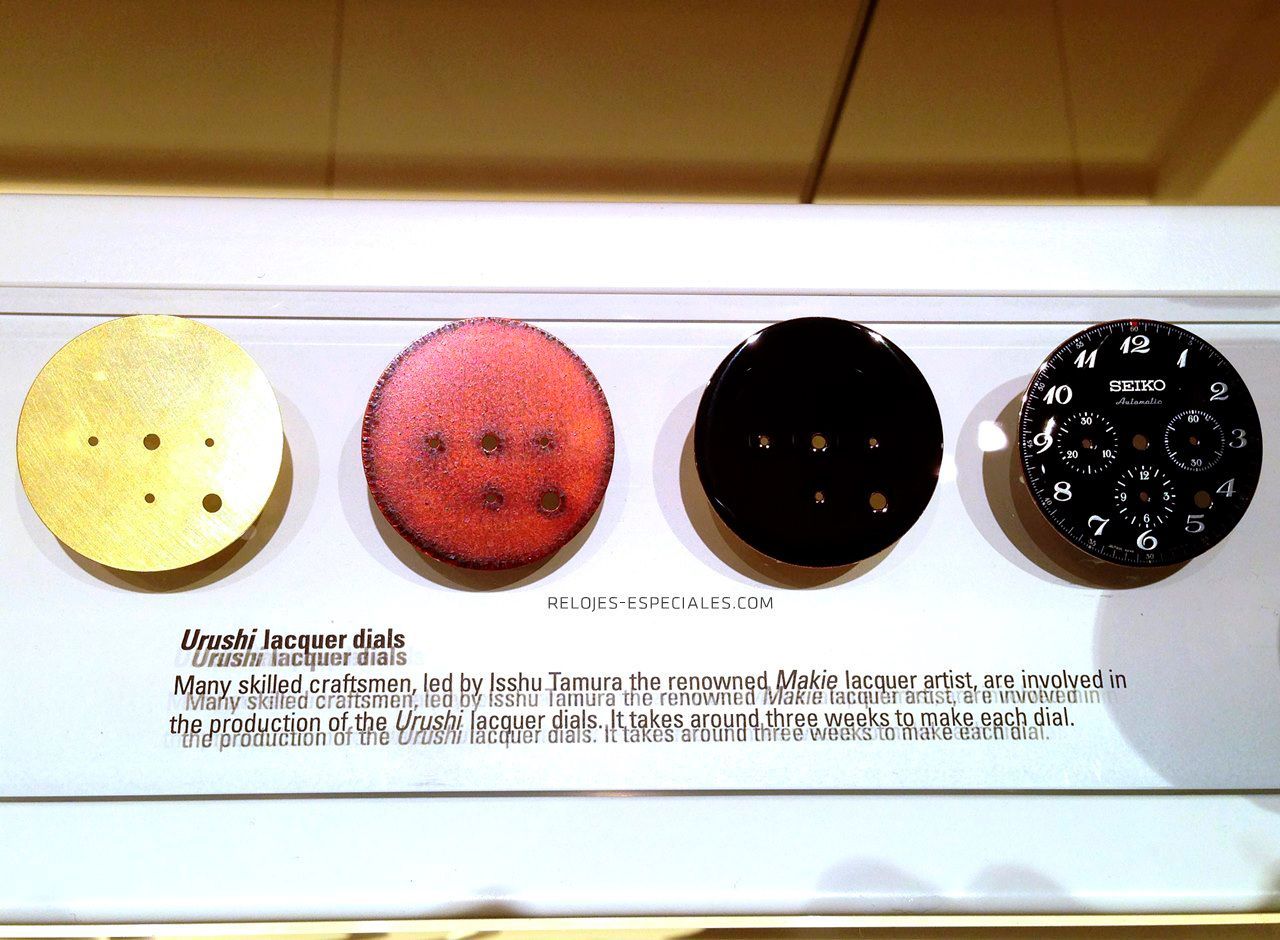
The Urushi technique has its origins in China more than 1,000 years ago, and arrived in Japan through the immigration of artisans fleeing the continuous wars on the continent. Urushi or lacquer is a natural polymer extracted from a shrub (rhu verniciflua) through incisions in the bark. This extract is mixed with different pigments, alcohol and water, and is applied in successive layers that are left to dry, sometimes for days. As a finish, the lacquered surface is polished with charcoal -sometimes even between layers-, which lengthens -and makes this work more expensive.
With a new layer of transparent lacquer as a bond, tiny metal particles will be deposited on the subdials and the process will be repeated – now with lacquer subtly tinted in red – to give them depth. Finally, Maki-e: the power reserve indication and the small moon on the seconds hand will receive a generous layer of lacquer that will be completely covered with gold powder that the craftsman will distribute with expert touches to give it the desired depth and luminosity. Once again, the result will be polished.
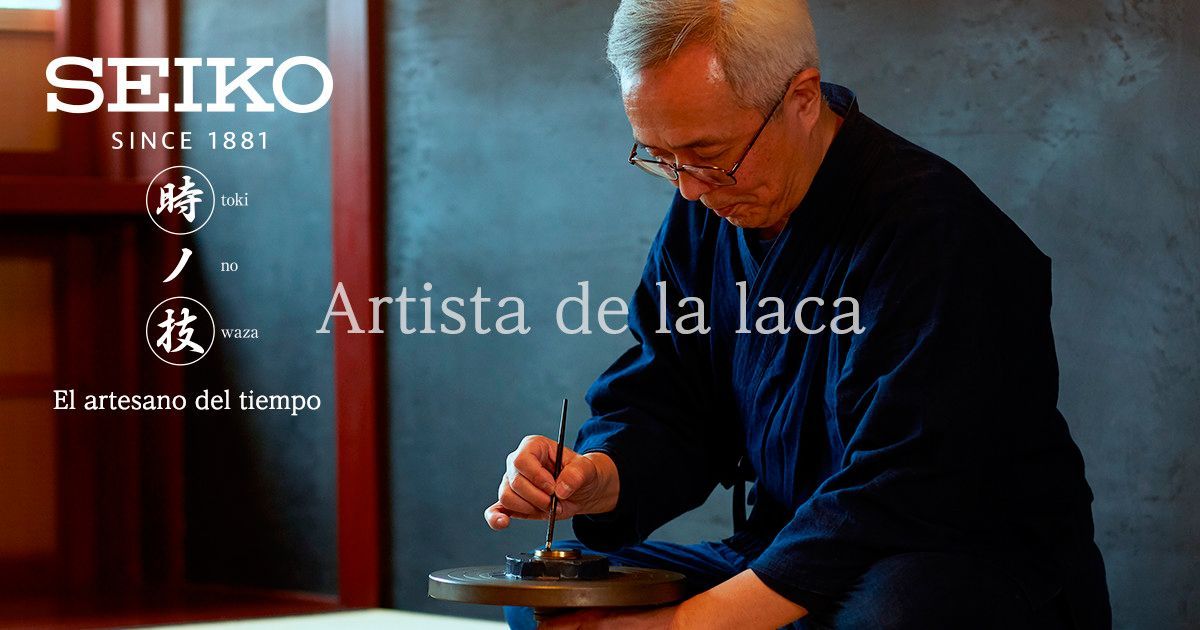
All of this is done under the expert supervision of master Isshu Tamura's workshop in the Hokoriku region of Honshu, Japan's main island, where each of the dials is finished by hand. Tamura is responsible for all the Urushi dials in the Presage collection.Seiko, but due to the complexity and time required for the Byakudan-nuri it can be said that it has taken the collection to a new level.
Another interesting detail is the application of the indices, both the Roman ones for the hours and the minute perimeter and those for the subdials: in some cases no less than ten layers of paint are applied to achieve the relief effect. In addition to the Roman numbering of the hour indices, the classic typography of the figures and letters on both the perimeter and the subdials seek to highlight the classic character that we wanted to give to the watch (and to the entire Presage collection). Being that it is a so-called “dress” watch, it does not present luminescent material at any point.
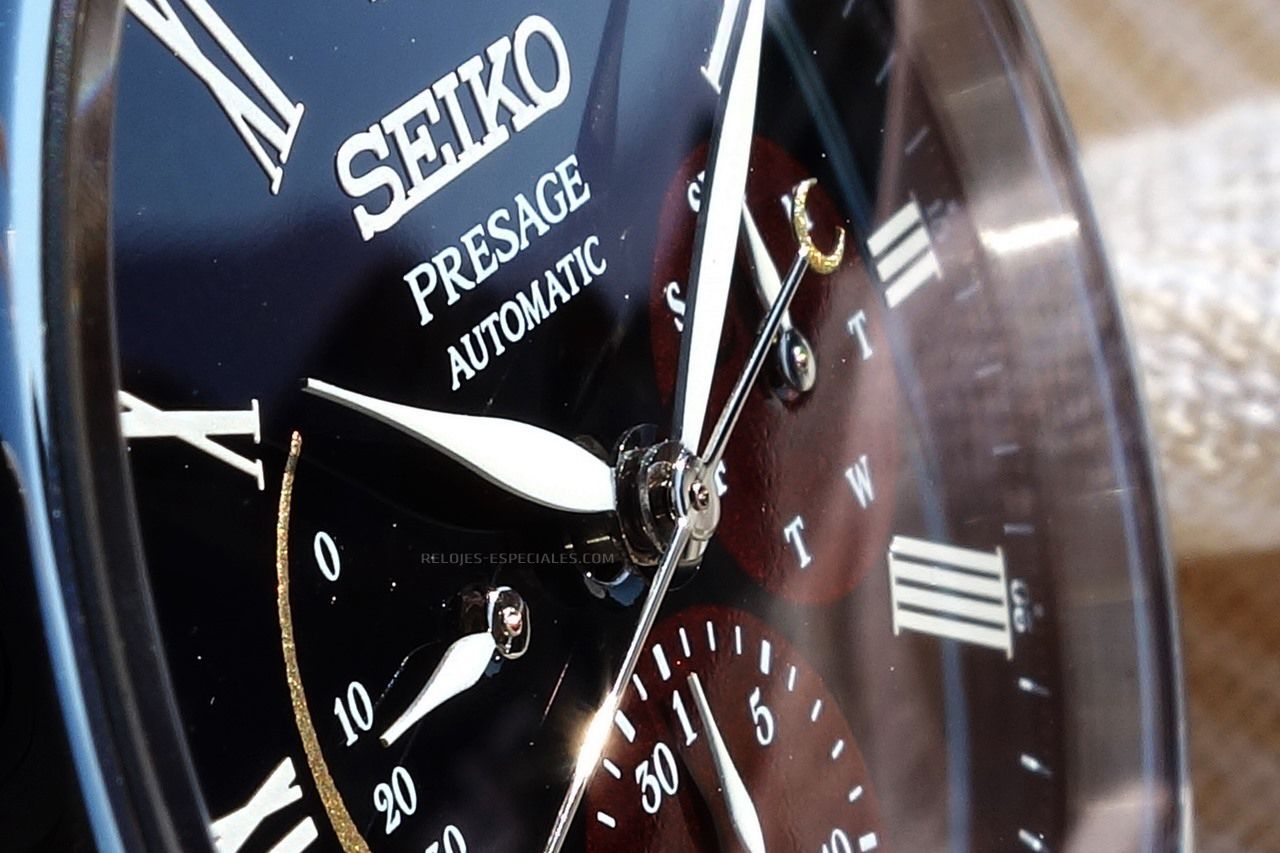
As for the caliber, we find the 6R21 automatic movement, with power reserve indications (at nine o'clock), day of the week (at three o'clock) and day of the month (at six o'clock) in addition to the basic hours, minutes and seconds. It also has a stop-second hand in the time-setting crown position. Presented in 2009 and based on the 6R20 (little mystery here with the nomenclatures), it has already traveled enough way to confirm its reliability. Being automatic, it also allows manual winding through the crown and has a sliding mechanism in the barrel that prevents damage to the mainspring due to overload. 28,800 vibrations per hour, more than 45 hours of power reserve, 29 jewels and tolerance of +25/-15 seconds per day.
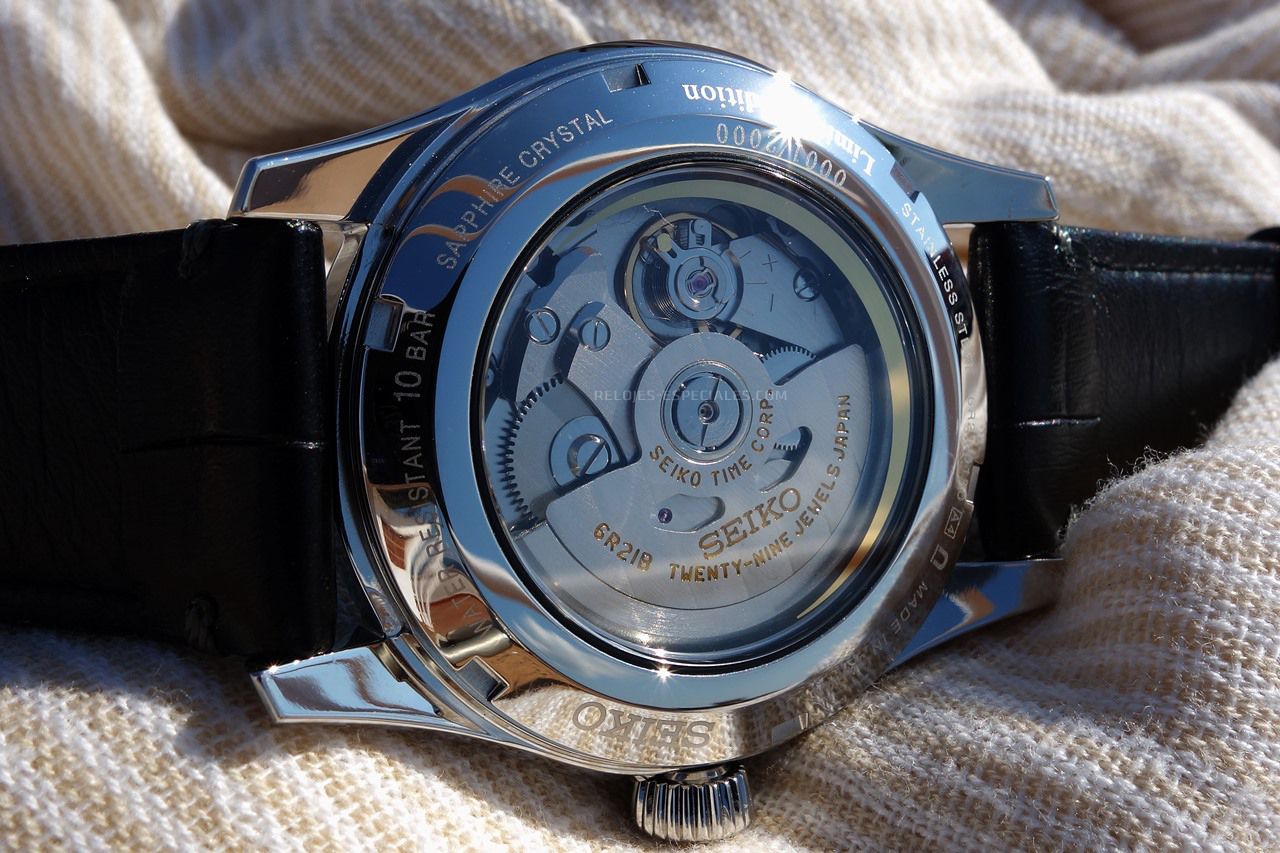
It is worth remembering here that thanks to vertical integrationSeikoIt is a true manufacture, capable of manufacturing all the components of its calibers. This includes a key element such as the hairspring, made of an alloy called SPRON and patented by Seikomore than fifty years ago!
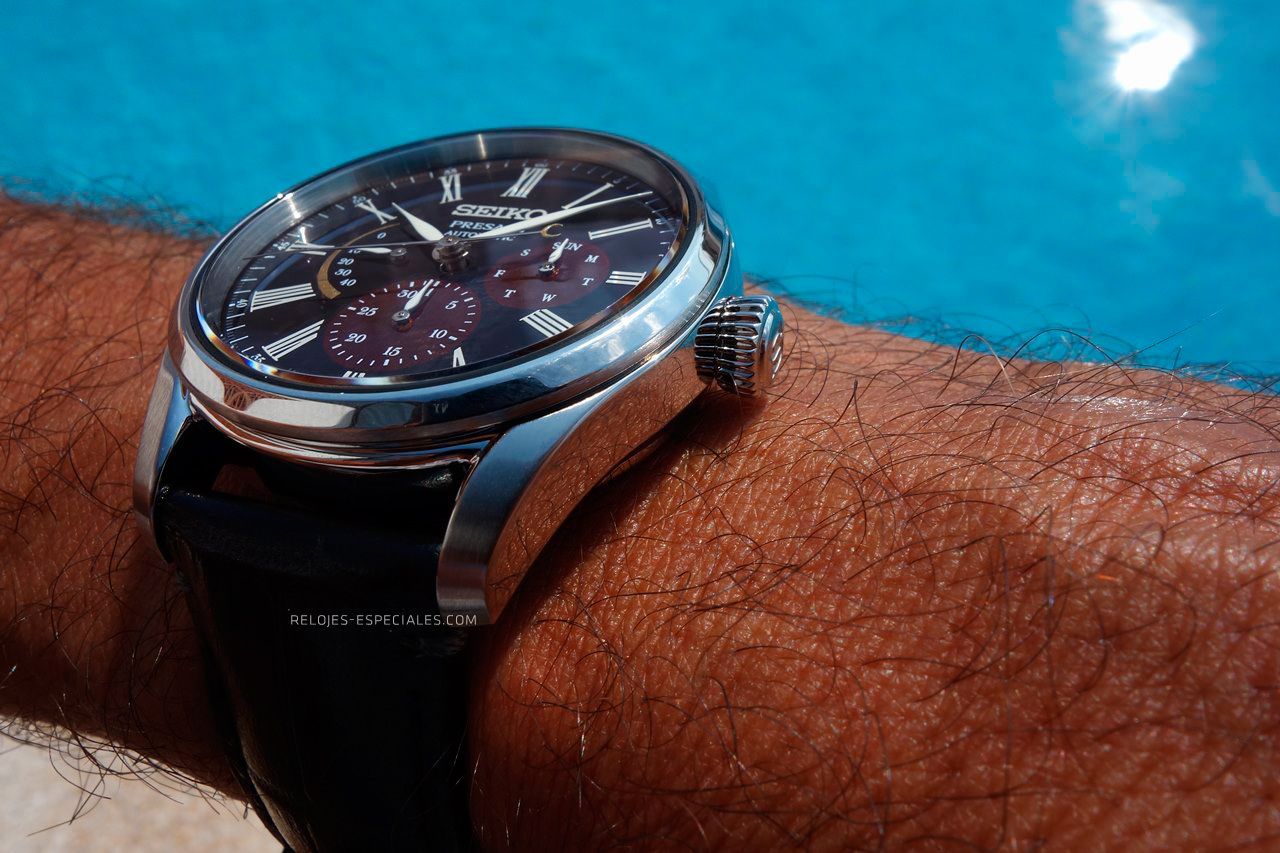
The 40.2 mm diameter (and 12.8 mm high) case is made of mirror-polished steel except for the top part of the lugs (the one seen by the user), which are softly brushed to give an elegant contrast to the whole. Handles that, by the way, are unusually long and would even be said to be disproportionate if it were not for the fact that they curve quickly towards the wrist to make theSeiko Presage Byakudan-nuria very comfortable piece to wear despite the long centimeter of height that it has and that has to fit under a shirt cuff. The crown is proportionate, I would say that it is on the large side but without exaggerating. In any case, with grooves marked enough to be able to operate it during loading, time or date setting operations. The sapphire crystal is double domed and covered with a layer of anti-reflective material.
The threaded back cover allows you to see the aforementioned caliber 6R21 thanks to the sapphire crystal that complements it, while the ring that remains has various data engraved by laser, such as the case material -stainless steel-, the caliber, and the water resistance of 10 atmospheres. Enough to withstand a shower, although I don't recommend it due to the beautiful alligator strap that accompanies it, a strap that is complemented by a folding clasp with a brushed finish like the case lugs. From my point of view, this detail (the transparent cover) is unnecessary since the finish of the caliber, with hardly any decoration, does not justify it. Maybe a Presage logo medallion?
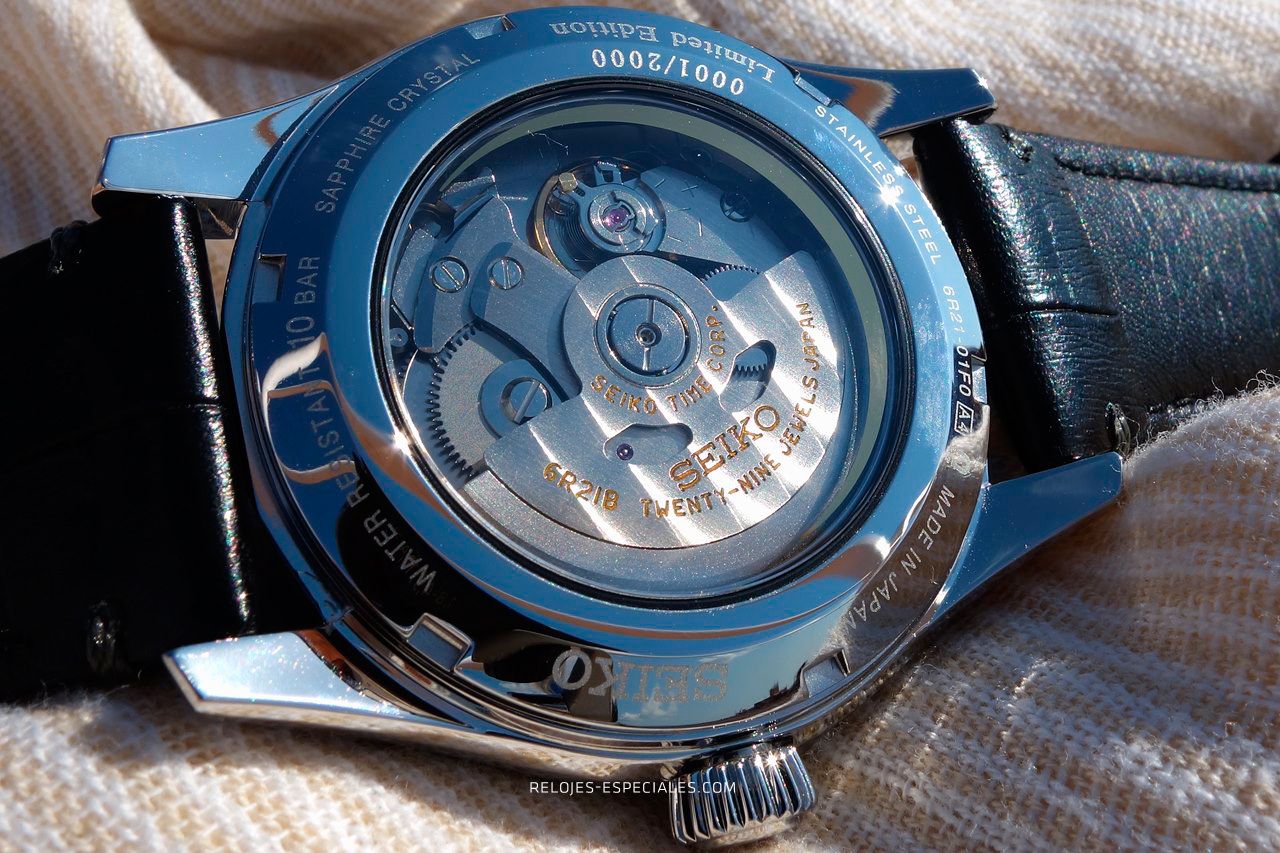
And the numbering, since thisSeiko Presage Byakudan-nuriIt forms a series limited to 2,000 units that will be sold from the beginning of December 2018 in selected dealers including, of course, the brand's boutiques. Its price will be around €2,500 (to be confirmed by Geresa, its distributor in Spain).
www.seiko.es/presage/byakudan
Browse the Shop
 Acacia frida deluxe solid wood bed frame |
Bedroom bench |
Bed chest drawers |
Lingerie dresser |
Frame base |
Mirror with jewelry storage |
30 Bathroom Vanity |
Memory foam queen mattress |
Mattresses for back pain |
Nightstand set of 2 |
Grand Goldman Shop |
Civil Lawyer
Deutschland Trikot WM 2026
Acacia frida deluxe solid wood bed frame |
Bedroom bench |
Bed chest drawers |
Lingerie dresser |
Frame base |
Mirror with jewelry storage |
30 Bathroom Vanity |
Memory foam queen mattress |
Mattresses for back pain |
Nightstand set of 2 |
Grand Goldman Shop |
Civil Lawyer
Deutschland Trikot WM 2026










