

Until recently, watchmaking quality was summed up simply: Switzerland makes good watches and China makes bad watches (not to mention fakes, we'll get to that later). The majority of fans have had this as an indisputable truth for many years, something to which the Swiss industry itself has not been oblivious, either extolling its own virtues or disguising its already more than long relationship with the Asian country.
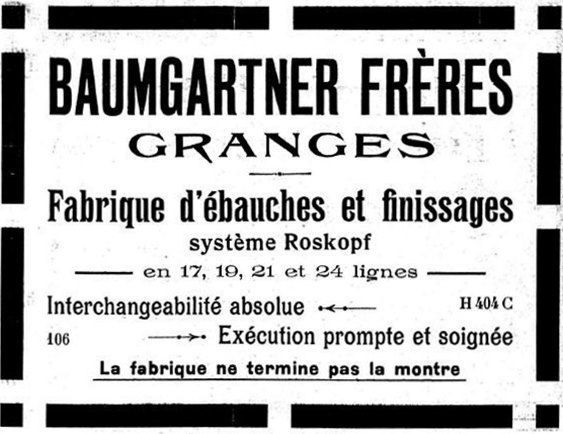
Because this relationship between Swiss manufacturers and Chinese suppliers dates back to no less than 1961, when the former managed to get the Swiss watch cartel (known as Statut Horloger, in force since 1920) to relax its regulations and allow them in a first stage to place orders for cases and dials to small manufacturers based in Hong Kong, and in a second stage for Swiss businessmen to invest directly in the British colony. They thus established case factories, such as Swiss Watch Case Center (1968) and Swiss Time Hong Kong (1969), or assembly plants, such as Baumgartner Brothers Granges Far East (1970).

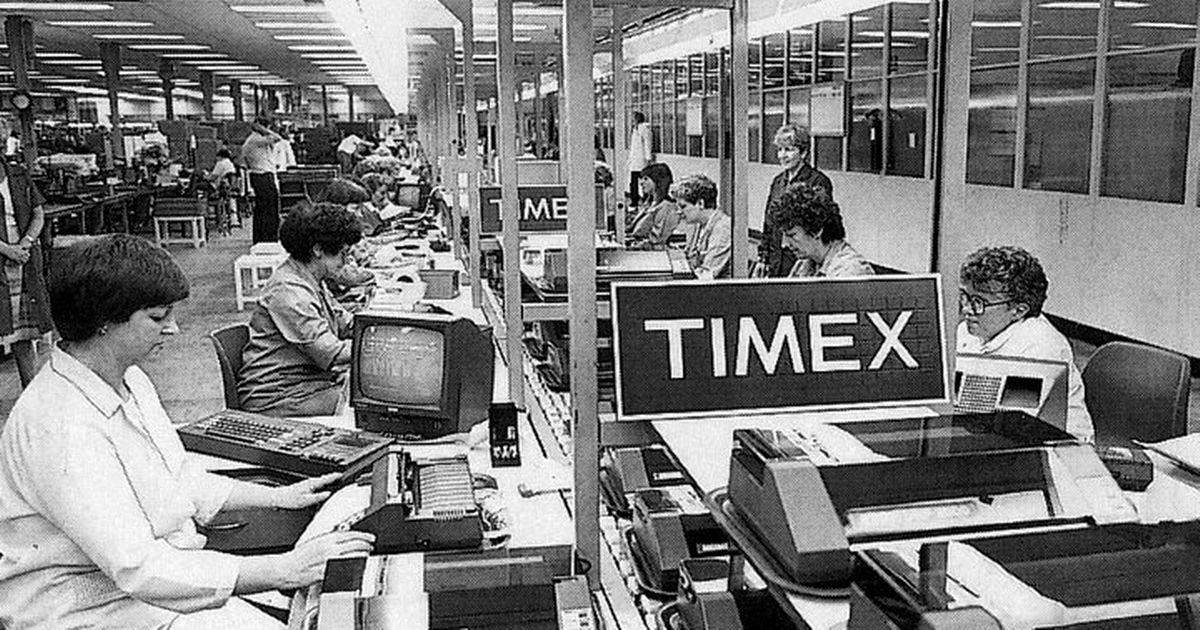
The reason was none other than the need to be competitive, something that the high Swiss costs prevented. After World War II, Swiss watch companies faced competition from American and later Japanese watch manufacturers. The latter end up flooding the market with mass-produced and, therefore, low-priced watches. As the Swiss Statut Horloger (protectionist, like all cartels) did not allow the relocation of either manufacturing or assembly, the North American Timex took advantage of the circumstance to become the largest watch company in the world by doing precisely that in the 1950s.
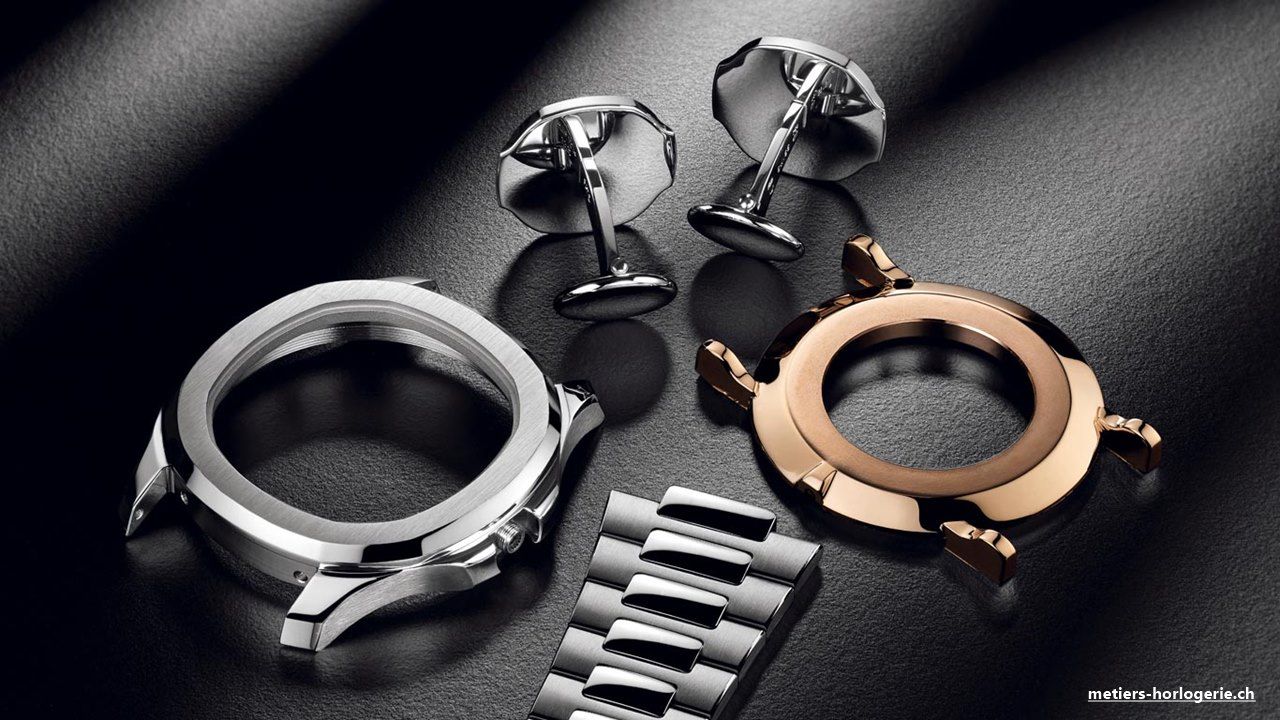
The 1960s thus represent the first phase of the expansion of Swiss watch manufacturing beyond its borders. At first they are only parts of the so-called “dressing” (or “habillage” in French), that is, the parts other than the caliber itself: cases, crowns, dials, hands, crystals… The argument is that these parts are not vital and do not provide added value to the watch and its quality (excuse me?). Being still in the mechanical and pre-quartz era, the concept of quality is attributed exclusively to the precision of the movement, which leads the Swiss to focus on it and order this dressing from foreign suppliers, that is, Chinese from Hong Kong. It is no coincidence that the famous industrial zone of Shenzhen is so close to the now former British colony.
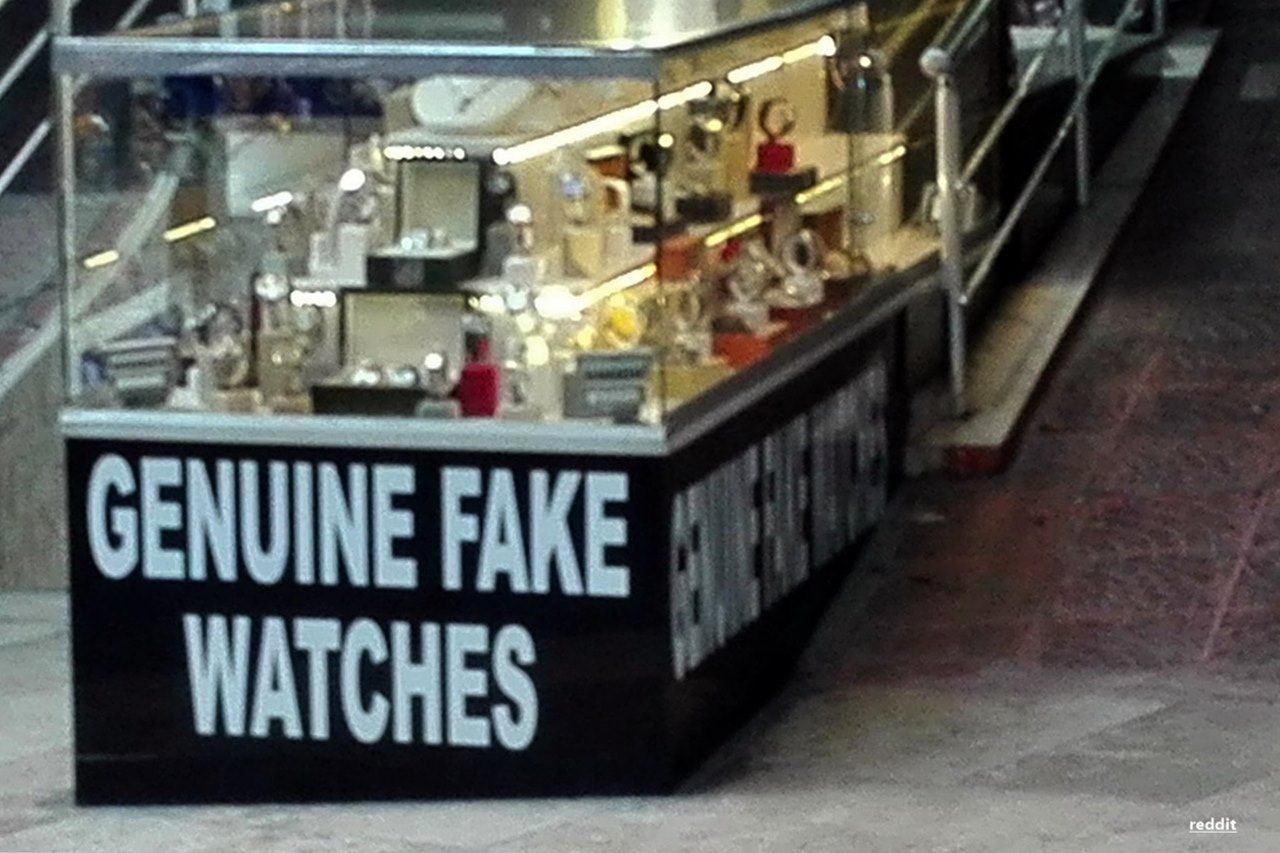
And the reviled copies, fakes or what some call “replicas” also come from Shenzhen so as not to admit that they are buying pure and simple fakes. The latter boast of using “watches” supposedly identical to the originals (which they call “gen”, because they are genuine). And they may be right... in part. Because, someone has to say it, in many cases the boxes, spheres and so on come from the same places. Returning to the previous paragraph, the Swiss did not give importance to “habillage”, and from those dusts these sludges.
Another dark part of this story (dark due to lack of light) is related to the calibers themselves: it is known that the rights or patents of a large part of ETAsa's star calibers have expired, so that they can be legally manufactured by anyone (the famous and misnamed “Asian Unitas” is an example) and gossip says that the brand itself has factories in the Asian country. These factories would manufacture components with stamped Swiss Made that would then be sent to and assembled in Switzerland, specifically in the Italian-speaking area of Ticino.
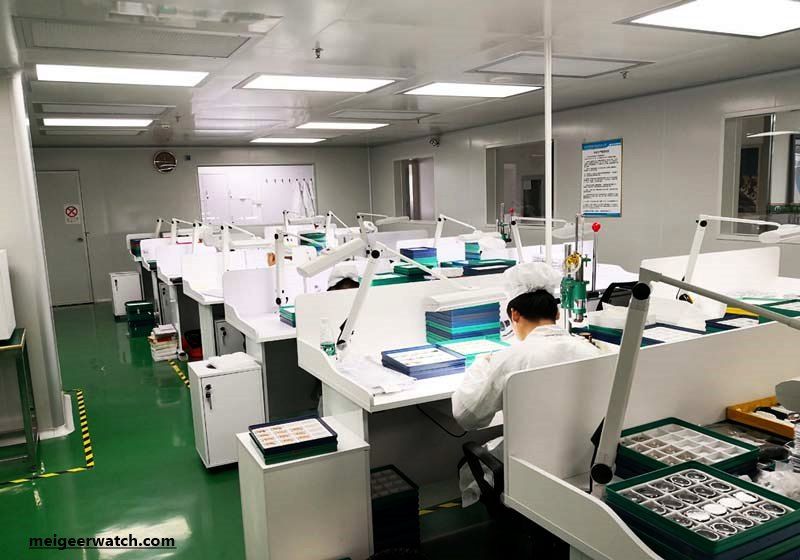
Things have changed a lot since the last century. Almost sixty years later, China provides Switzerland not only with products but also with services of extremely high quality even by Swiss standards. And although it is no longer taboo to talk about it, Swiss manufacturers continue to demand professional secrecy from their suppliers under a confidentiality contract.
We will tell you in thesecond










