

China has become the main foreign supplier to the Swiss watch industry. So, without anesthesia. The relationship dates back to 1961, and throughout this time it has been competing for first place with closer countries (such as France, which held it until 2016). Far from being temporary, the situation is tending to consolidate because in recent years China's technological progress has been exponential while its labor costs have grown much more slowly.
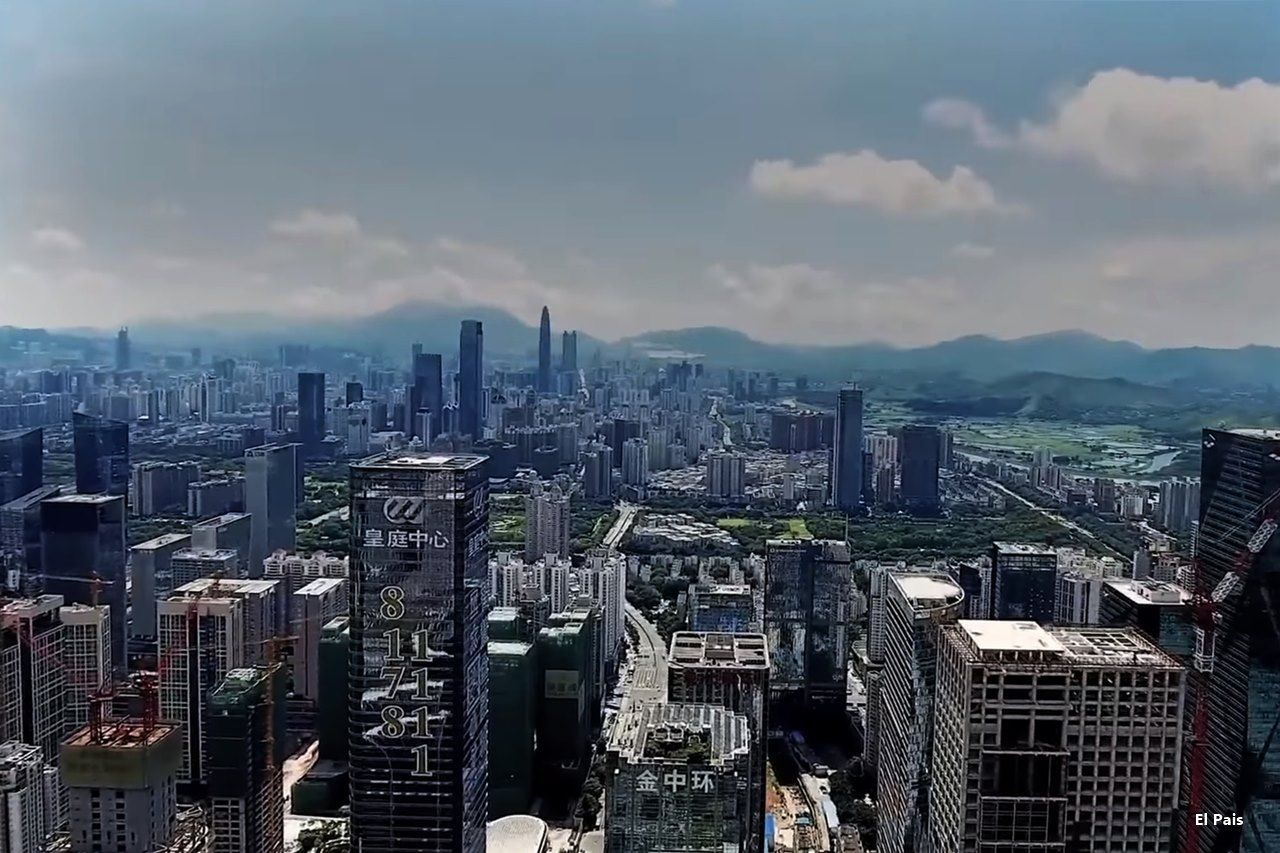
In those distant 60s and 70s of the last century, they worked with old Swiss machinery expressly exported to Hong Kong to manufacture cases and other parts of the watch's habillage, while currently China already designs its own machines (which could easily be called heirs of those antiques) and has factories in Shenzhen capable of supplying complete watches.

Not all watch factories - or their components - in China manufacture for Switzerland, but those that do live under a confidentiality commitment whose non-observance would jeopardize their contracts.
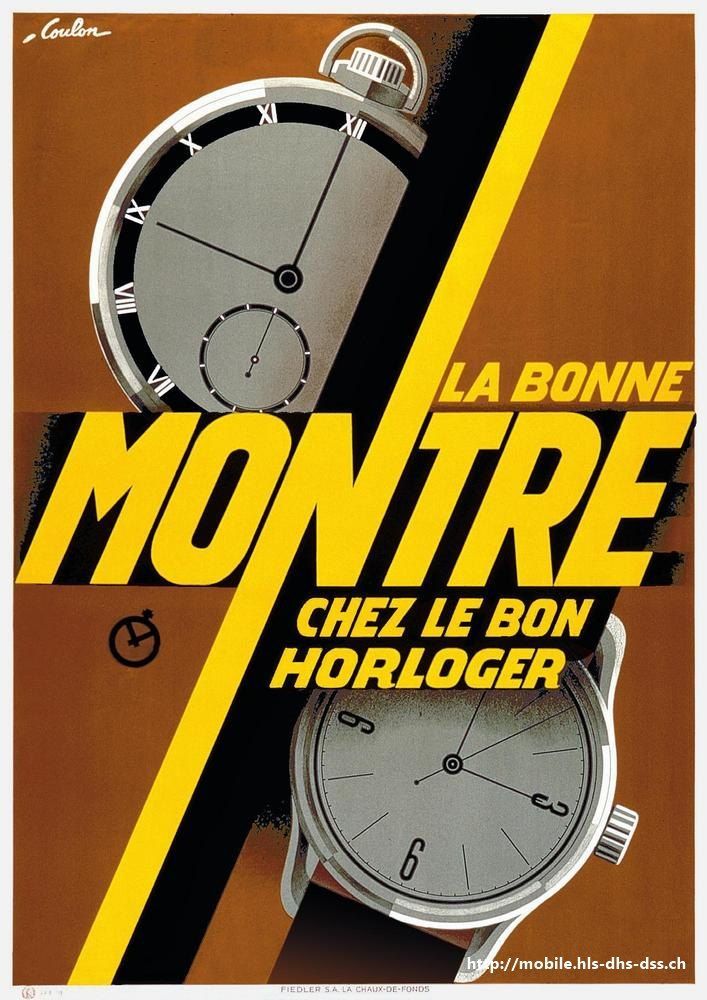
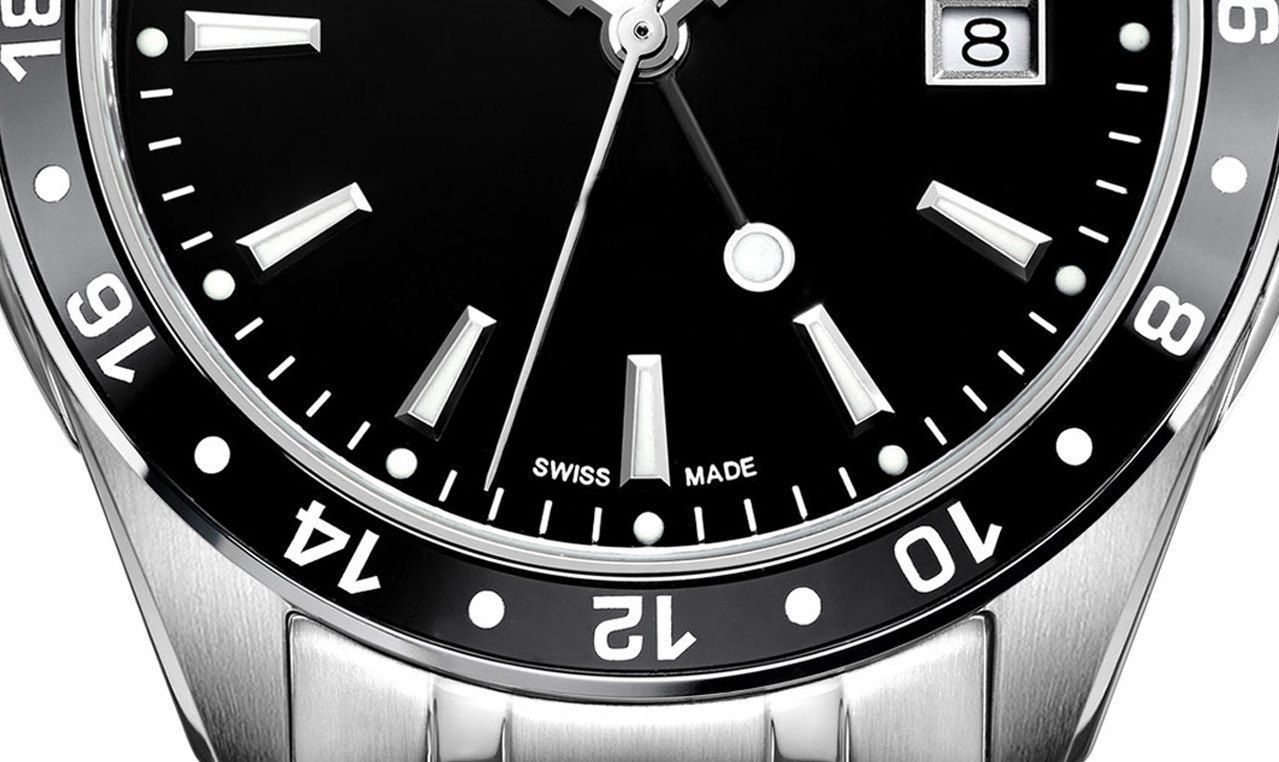
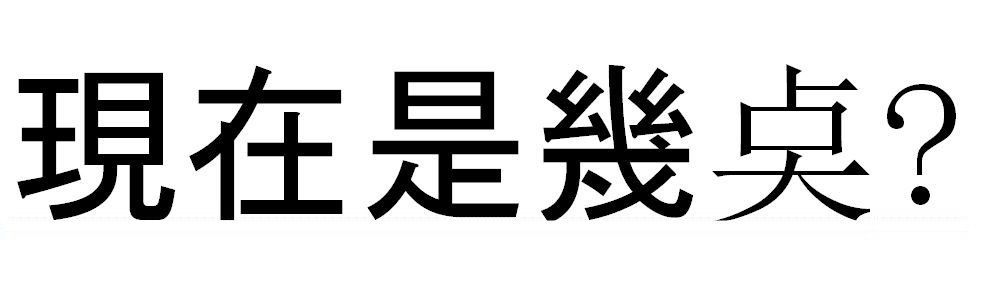
Two years ago, the Swiss law came into force that increased the “Swiss value” that a watch must have from 50 to 60% to be able to display the coveted “Swiss made” on its dial. That “value” is the cost of the components but also the assembly. Taking into account that 20 hours of an average Swiss operator costs about 500 hours of a Chinese one, we are once again at the end of the road. And it allows things like a Chinese operator to assemble a “kit” containing case, hands, crystal, crown and dial, all manufactured on site or brought from neighboring factories, and for the dial to display those pair of words. The set will be sent to Switzerland, where a Swiss operator with a Swiss salary will assemble it and fit the caliber into it, making it so that by magic (or Swiss law) that dial is telling the truth.
It is worth remembering here the "crusade" that Edouard Meilan, CEO of H. Moser&Cie, started a few years ago for the total and real "swissness" of Swiss watches, with notorious guerrilla marketing campaigns such as making a watch with a cheese box (Swiss) equipped with a cowhide strap (Swiss) that he presented in the funny video of "let's make Swiss made great again", parodying the motto of Donald Trump's campaign and the presentation of Star Wars (he speaks a little quickly, but you catch his intention).
The fact is that those components made in China that will go to Switzerland and become Swiss by law have the quality that could be expected (and demanded) from Switzerland. As one of those anonymous suppliers says: “we are stricter because we do not have the right to make mistakes.” This means that most of the components of mid- and low-range Swiss watches are made in China but it is not noticeable... if we continue with the stereotype (now outdated) that China manufactures poorly: like everywhere, there are different levels of quality, and you will get what you are willing to pay. We are talking about factories with almost 1,000 employees capable of producing between 60,000 and 70,000 watch cases (I am not talking about cases), and that if asked can supply the complete watch.
Between January and December 2016 (latest data available) Switzerland imported 923 million francs worth of watches, cases, dials, bracelets and other components from China. A seemingly ridiculous amount compared to the 19.4 billion exported by Swiss brands during the same period. This has a double interpretation that is not necessarily exclusive: either the number of Chinese parts that equip Swiss watches is not so important, or the price of these parts undergoes a stratospheric multiplication during their “suicification” process. In theory, these imports should be reduced thanks to the “toughening” of the law with the increase from 50 to 60% of the total value produced in Switzerland, but since the brands are not going to provide such information, logic says that this is not going to happen.
Some say that perhaps it would be time to change the chip or mentality about thatsuicide, which after all, in other sectors such as the automotive sector, it is not considered whether a Mercedes or a BMW (to name prestigious brands) are manufactured with exclusively German components, what matters is the design and engineering. I agree, although only partially: Germany has not made Made in Germany a state issue, while the Swiss Government went so far as to create a cartel (the aforementioned Statut Horloger) and once it was liquidated it has continued to influence to try to adapt reality to its interests.
However, there is still a High (and not so high) Swiss Watchmaker that produces its watches entirely in the Swiss country... or almost, if we pay attention to Moser and his claims.
Much more information at the end of thisgreat forum thread










