

He resurrected Blancpain in the 80s (“we bought it for 20,000 francs and sold it for 60 million”), repositioned Omega in the 90s (James Bond changed his eternal Rolex Submariner for an Omega Seamaster) and in the 2000s he turned Hublot into a mass phenomenon.Jean-Claude BiverHe is one of the greatest marketing geniuses that the 20th century has produced, and I think I am not being too hasty when I say that his legacy will be taught for many years in business schools... something that for now he is doing himself, a real luxury.
At the end of 2014, and already president of the watch division of LVMH (which in turn had bought Hublot from Biver himself), he took charge ofTAG-Heuerand surprised the world with the announcement of theConnectedWatch, a smart watch or smartwatch, in collaboration with the greats of Silicon Valley, Intel and Google. That is to say, it fought the iWatch with its own weapons at a time when the traditional (and traditionalist) Swiss watchmaking world was somewhere between stunned and worried – not without reason – about the influence that this was going to have on its income statements.
Find Bleeding Edge Supplements at Scandalous Prices on iHerb.

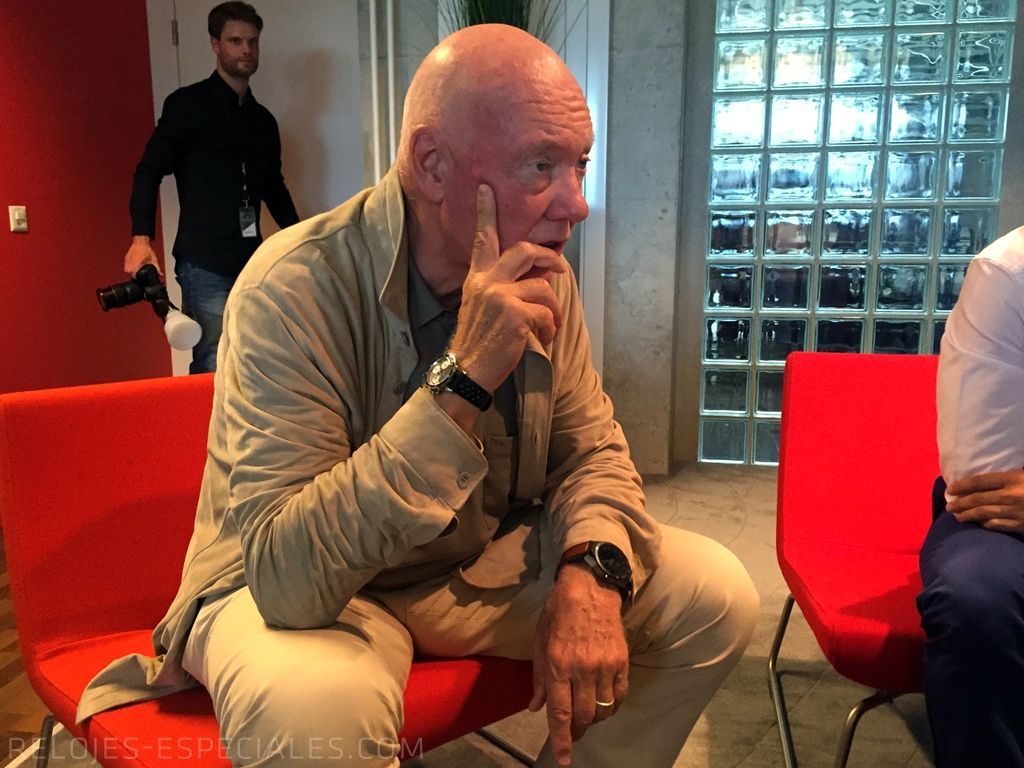
With his arrival toTAG-HeuerFurthermore, it reversed the drift towards nowhere that the brand had taken after trying to move towards the highest segment of the market. And it did so by looking back at its roots: entry-price watches below 1,000 Swiss francs (which are now euros) and recovering a youth audience that finds it attractive to have their first watch, their first luxury watch.
To do this, it radically changed its communication and sponsorship strategy, starting by hiring the model Cara de Lavigne and the surfer Kai Lenny, changing its sponsorship with Formula 1, going from McLaren to Red Bull or getting fully involved in the biggest soccer leagues in Europe, such as the Premier League and the Bundesliga (in Spain it was already... Hublot). And things have not stopped there: music with David Guetta, boxing sponsorship (“we are not entering; we are returning to boxing,” he said), cycling… Concept of zero separation: “we want to be where our clients are, and if you are not in music or sports you are not in zero separation.”
The effects were not long in coming: while the Swiss watch industry experiences drops of more than 10%, sales ofTAG-Heuerfrom January to September have increased by 18% this year compared to the same period in 2015. Biver is not afraid that the competition could copy his Zero Separation model: “they simply don't know what it is,” he says. Another phrase: "I don't pay attention to how much we do. I pay attention to what we do better than others."
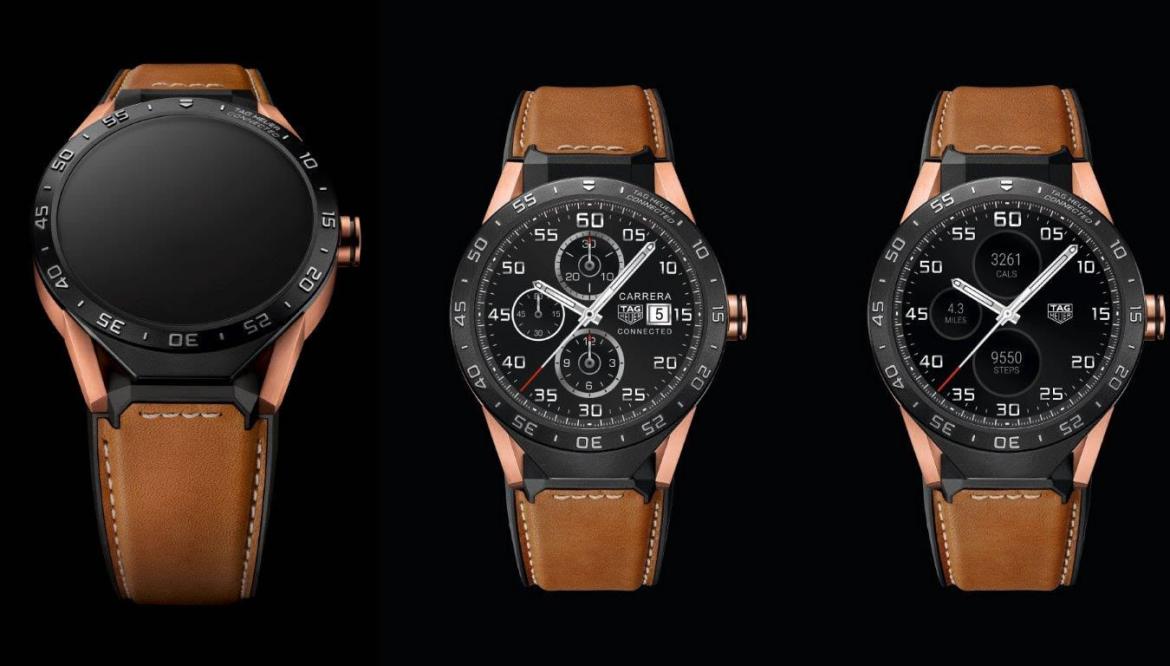
Of theConnectedWatchSome 60,000 have already been sold, and they will continue to generate business for the brand by "recycling" them at the end of their useful life (two years)... converting them to - or directly exchanging them for - mechanical watches. A smart way to extend the relationship with the customer after the first sale. Meanwhile, and ahead of next Christmas, the gold version of the Connected has appeared. It will be necessary to see if here it reaps the success that has been denied to Apple with its gold watches (they were recently withdrawn from the market due to their low sales) and how they overcome that obstacle in view of the failed experience of the apple giant. A new challenge from the genius Biver. The price? over €9,000, almost half of its extinct competitor. Maybe that's it...
He is so convinced that theConnectedWatchThey have a future that has just opened an office in Silicon Valley itself, on the Intel campus. A dozen employees led by an Intel official will investigate new developments and utilities for a product line that the CEO ofTAG-HeuerIt is clear that it is here to stay.
By the way, I can now announce what they told us in the petit committee inLa Chaux de Fondsin September: The second generation of theConnectedWatchthat, yes, you will be able to exchange modules. Pay attention toBaselworld 2017.
Browse the Shop
 Acacia frida deluxe solid wood bed frame |
Bedroom bench |
Bed chest drawers |
Lingerie dresser |
Frame base |
Mirror with jewelry storage |
30 Bathroom Vanity |
Memory foam queen mattress |
Mattresses for back pain |
Nightstand set of 2 |
Grand Goldman Shop |
Civil Lawyer
Deutschland Trikot WM 2026
Acacia frida deluxe solid wood bed frame |
Bedroom bench |
Bed chest drawers |
Lingerie dresser |
Frame base |
Mirror with jewelry storage |
30 Bathroom Vanity |
Memory foam queen mattress |
Mattresses for back pain |
Nightstand set of 2 |
Grand Goldman Shop |
Civil Lawyer
Deutschland Trikot WM 2026










