

In 2018the Chronomètre a Résonance by F.P. JourneIt is 35 years since its first prototype saw the light of day and the brand did a retrospective on what in my opinion is genius. This is why I have chosen to share it with the Special Watches audience: apart from being one of my favorite watches, it is one of the most relevant watches of recent times. Here I am going to tell you why, let's see it.
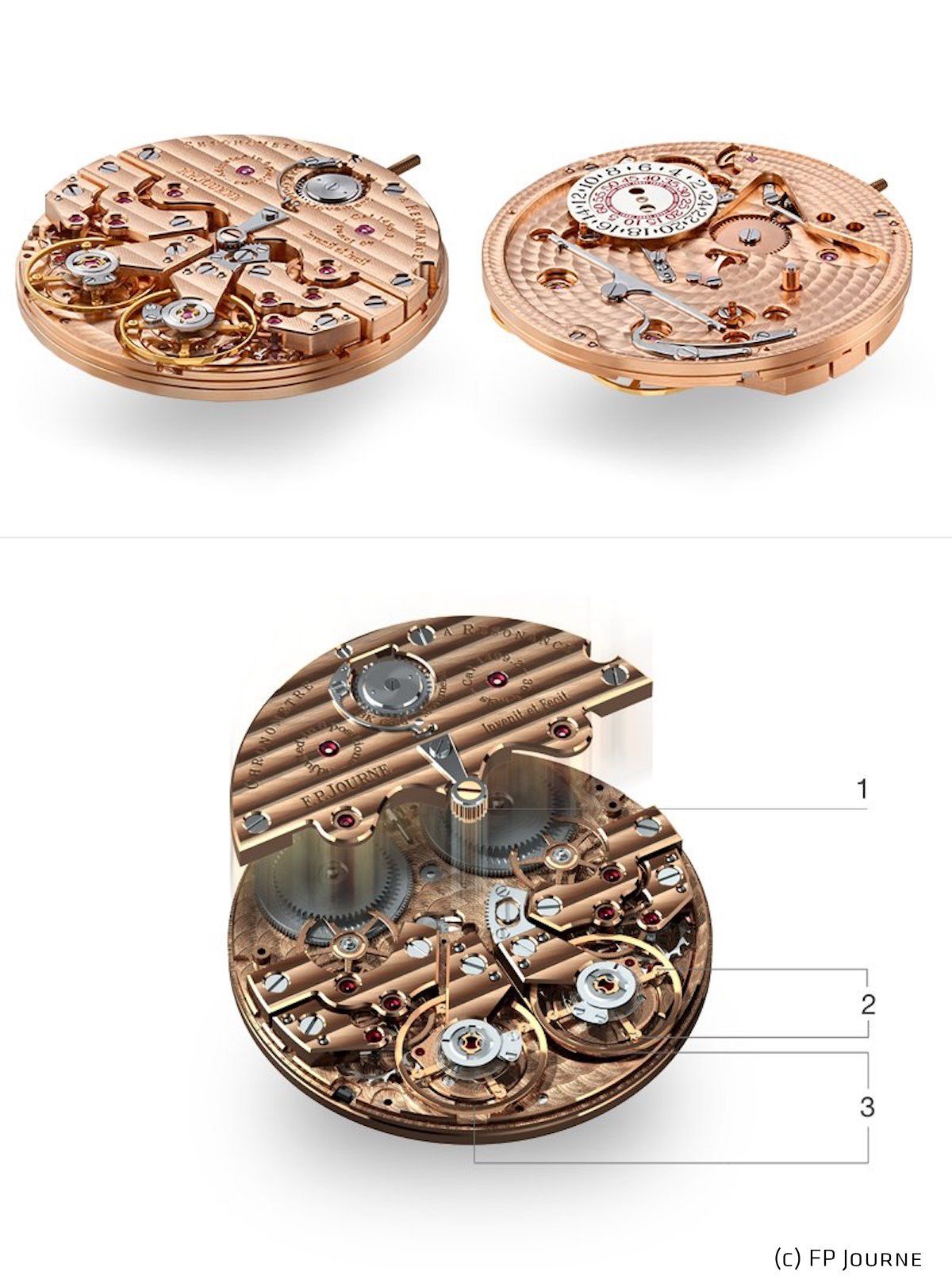

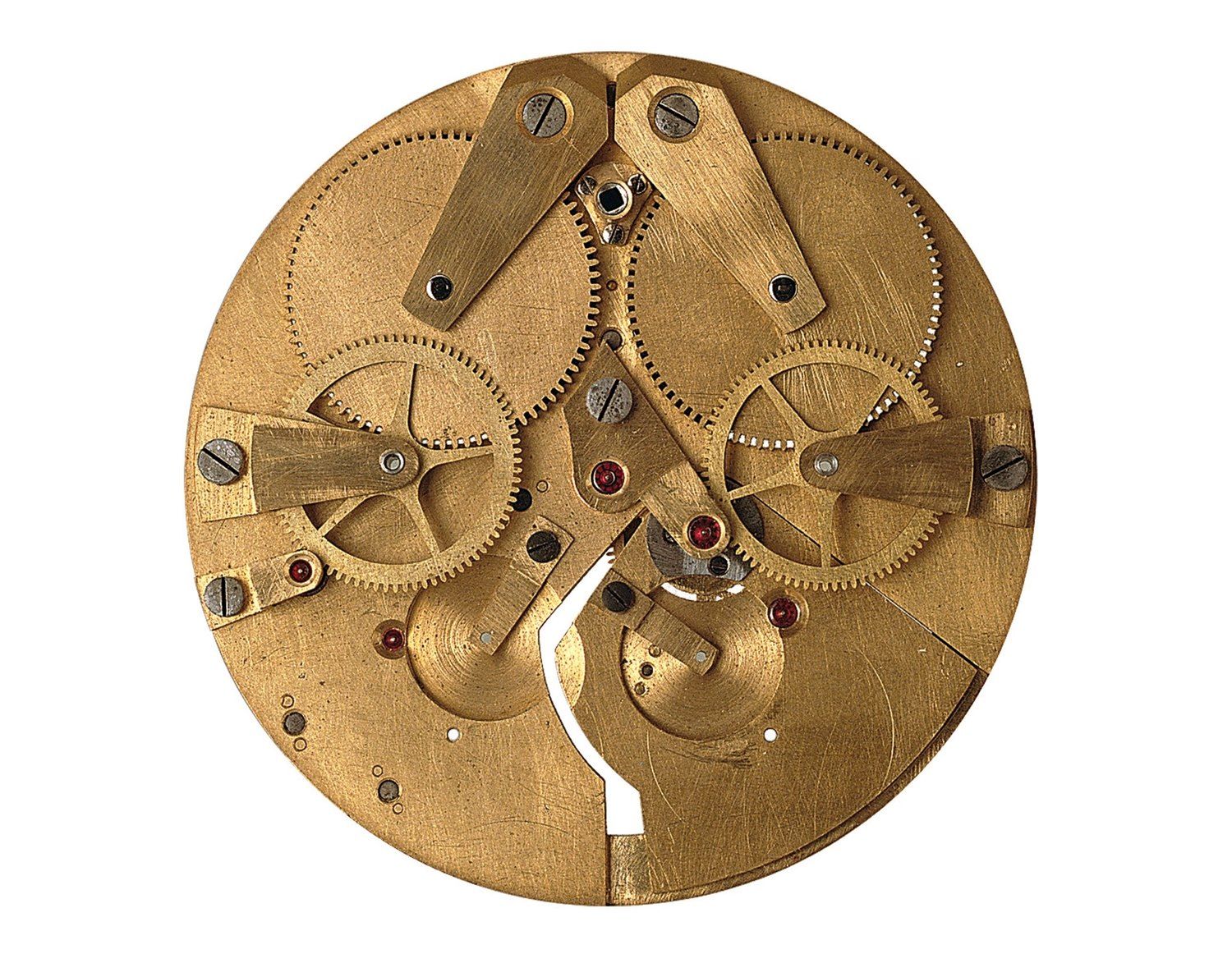
The Chronomètre a Résonance by F.P. JourneIt was presented for the first time in 2000. Although in 1983, seventeen years before, its creator already had his first prototype in his hands. This sketch was a big headache for François Paul, as he spent a long time correcting errors in the calculation and design before starting over again before finding the final piece. All his demands were due to the simple fact that this mechanism had to work perfectly, and since he couldn't find a solution, he wisely decided to put it on hold for a while. Throughout that period, both the prototype and the different calculations wandered through François Paul's mind, until he finally managed to solve everything and make it work: Journe had created one of the most important haute horlogerie pieces of recent times.
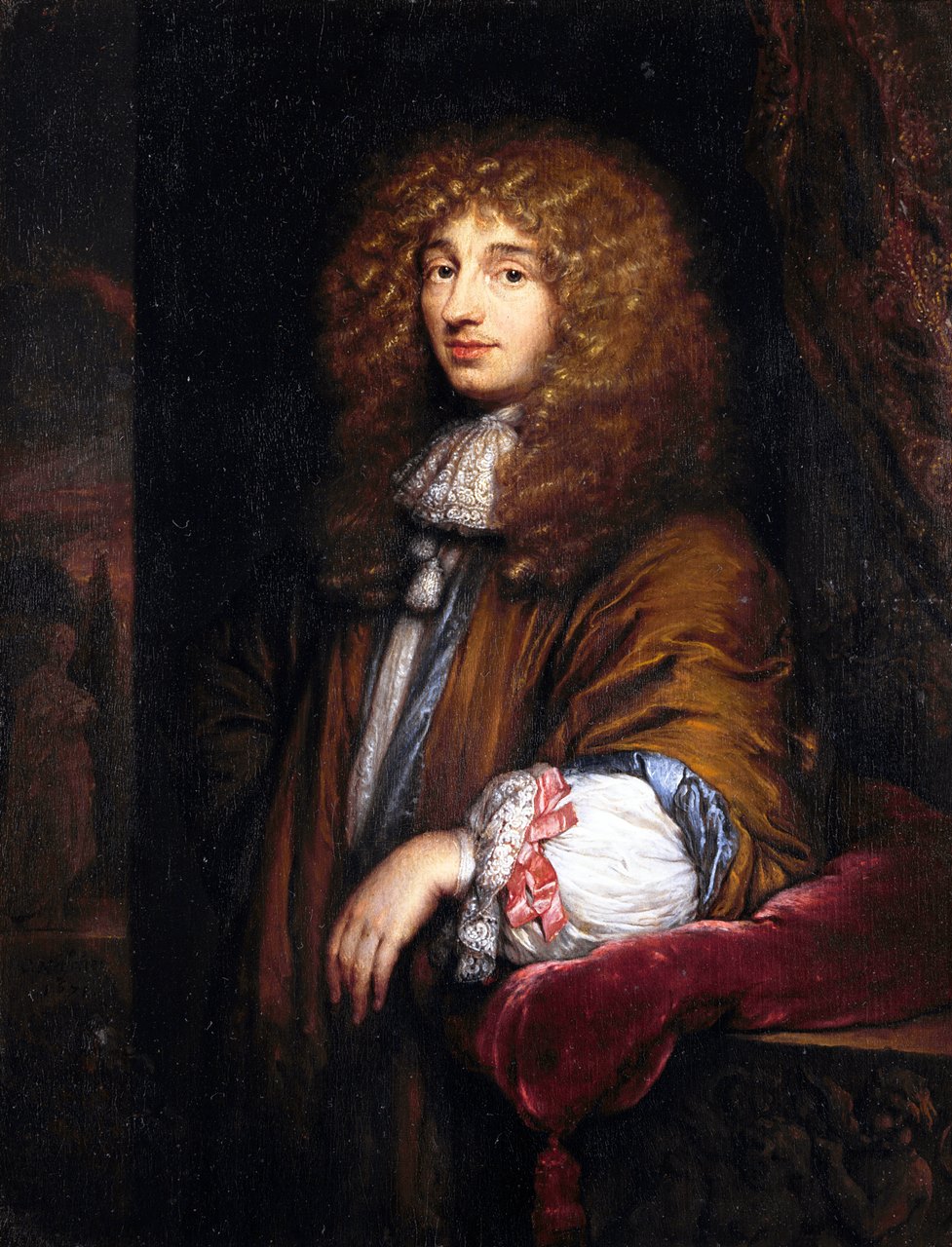
The Chronomètre a Résonance by F.P. JourneIt is, in itself, a great challenge in the field of mechanical watchmaking, since its operation obeys the principle of physical resonance. Christian Huygens was the first to realize that two pendulum clocks placed side by side synchronized their movements. The Chronomètre a Résonance integrates two movements that, thanks to their proximity, generate resonance. This phenomenon occurs when a body capable of vibrating is subjected to a periodic force, which applied continuously causes the oscillating system to generate a larger amplitude, since initially a disturbance is created. What happens is that, when the two balance wheels start moving, thanks to the phenomenon of resonance they begin to 'beat in harmony', increasing the inertia of the movement. This occurs only when the difference between one and the other does not exceed 5 seconds per day; Its calibration is a very delicate task.
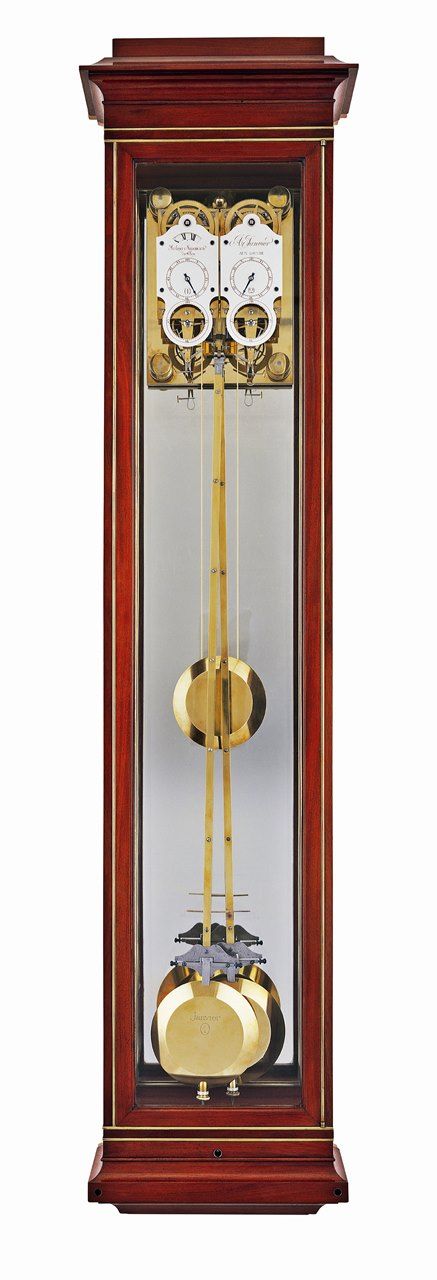
The greatest inspiration for François Paul Journe was Antide Janvier, the creator of the pendulum clock that is found in one of the private rooms of the F.P.Journe manufacture in Geneva and of which only three examples exist (one of them is in the Patek Philippe museum in Geneva). The great admiration that our protagonist feels for Janvier is evident, something completely justified since among the creations of this watchmaker from the Jura Valley there are numerous astronomical clocks. Antide Janvier is also the author of some essential reference watch books. And he used the same principle of resonance in his regulator, one of François Paul's great motivations to not give up on his goal.
The Chronomètre a Résonance by F.P. JourneIt has been presented in different versions, such as its rose gold movement in 2004, a presentation that would be applied to all the brand's precision chronometers. In 2010, on the occasion of the tenth anniversary of this emblematic model, a version was presented that indicates 24 hours at 9 o'clock, and that shows the hours of day and night. in the sphereguillochesilver at 3 o'clock, a second time zone is offered that displays the local time.
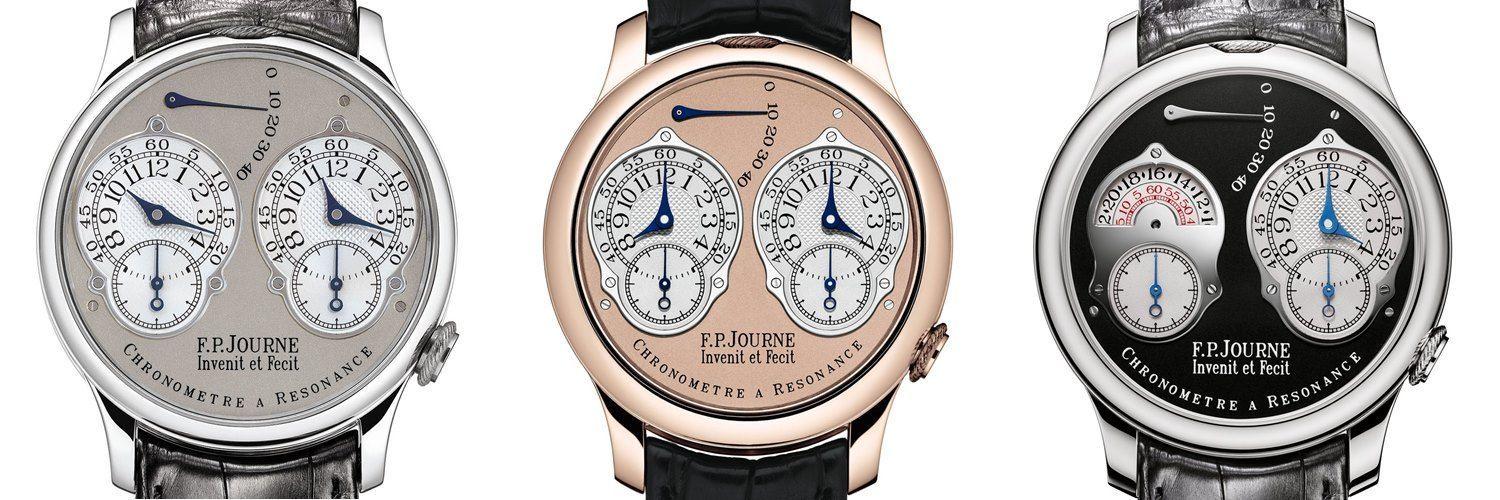
El Chronomètre a Résonance by F.P. JourneIt was the winner of the Grand Prix d'Horlogerie in Geneva in 2010, in the 'Best Complication' section.










