

Welcome to GrandGoldman.com's guide to the metal lathe. This complex machine is not the easiest tool to master, but understanding its components is the first step to unlocking its full potential. Whether you are working on a DIY project in your garage or setting up a small workshop, knowing how a lathe works is essential. Key parameters like rotation speed, feed rate, and cutting depth depend heavily on the hardness of your material. For beginners, practicing on soft aluminum or mild steel is a great way to learn the basics without risking your cutting tools. To keep your workspace organized while you learn, consider browsing our selection of home improvement tools and storage solutions.
What is a Metal Lathe?
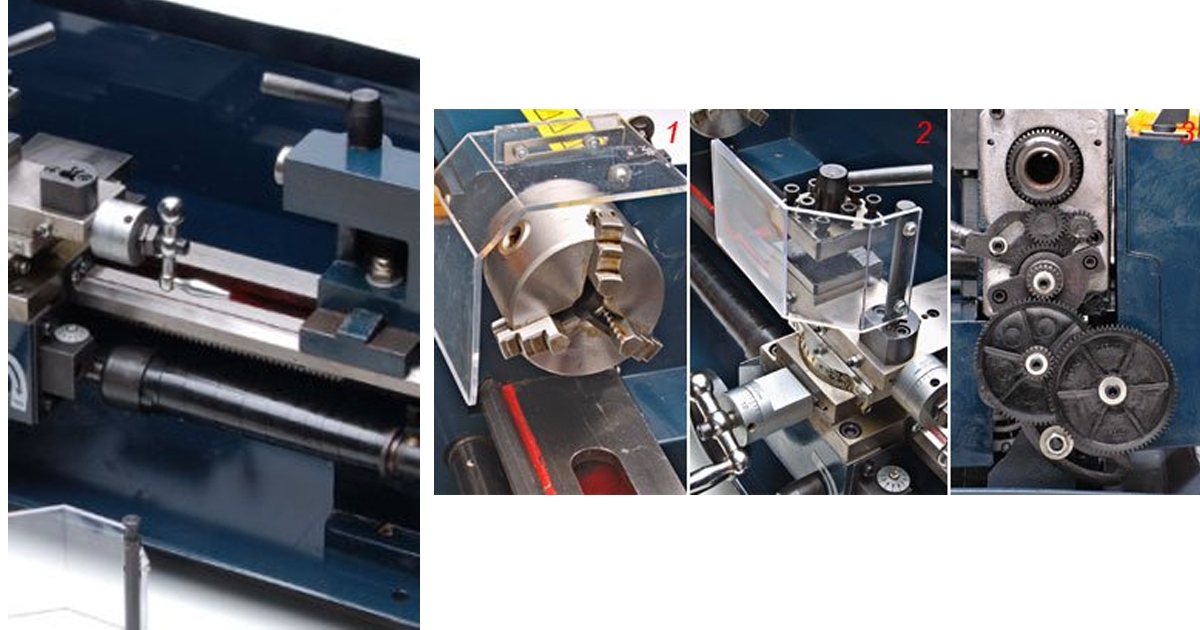
High precision and robustness are the hallmark features of a metal lathe. These machines are not only for metals; they can also effectively machine plastics like nylon or Teflon. Even a DIY workshop lathe must have substantial weight to remain stable and resist vibrations caused by material removal on a rapidly rotating workpiece. The bed is the main support structure that connects all the machine's components. On the upper part, you will find inverted V-shaped prismatic guides that allow for the longitudinal movement of the carriage and the tailstock.
Get Lifetime Access to Top AI Tools
Find Bleeding Edge Business Software at Scandalous Prices on Appsumo.

Key Components of a Metal Lathe
Let's break down the main parts that make up this versatile machine. Understanding these parts will help you operate the lathe safely and effectively. For your workshop, having the right lighting is crucial to see fine details during machining.
The Tailstock
Located on the right side of the bed, the tailstock houses the dead center (contropunta). Its primary functions are to support long workpieces that extend significantly from the chuck, preventing vibration, and to act as a reference for setting the correct tool height on the tool post.
The Carriage and Slide System
The carriage slides freely along the guides. It consists of several moving parts, including the saddle, cross-slide, and compound rest. The transmission components include the headstock (connected to the spindle), the gearbox, and the assembly consisting of the feed shaft, lead screw, and rack.
Detailed Look at Lathe Parts
The Chuck (Mandrino)
Mounted on the headstock, the chuck is usually self-centering. Workpiece clamping is ensured by three jaws that move symmetrically relative to the center. Each chuck typically comes with two sets of jaws, allowing for internal or external clamping. Each jaw has a different number and must be inserted into the corresponding slot following the correct mounting sequence. A sturdy workbench or desk surface is ideal for organizing your chucks and tools.
The Tool Post (Torretta)
The tool post moves longitudinally, either manually via a handwheel or automatically by engaging a lever. Above it, you will find the cross-slide for transverse movement and the compound slide that holds the cutting tool.
Frequently Asked Questions (FAQ)
What materials can a metal lathe work with?
While designed for metals like aluminum, steel, and brass, a metal lathe can also work with various plastics such as nylon, Teflon, and acrylic. Always adjust your speed and feed rates based on the material's hardness.
How do I reduce vibration when turning long pieces?
For long workpieces, always use the tailstock's dead center to support the free end. This provides frontal support and significantly dampens vibration. Ensuring your lathe is on a stable, heavy base is also critical. Check out our sheds and workshop storage for ideas on creating a stable workshop environment.

What is the difference between a 3-jaw and a 4-jaw chuck?
A 3-jaw chuck is self-centering and ideal for round or hexagonal stock. A 4-jaw chuck has independent jaws, allowing you to hold irregularly shaped pieces and achieve extremely high precision by centering each jaw individually.
How do I maintain the prismatic guides on my lathe bed?
Keep the guides clean and well-lubricated. Before each use, wipe away any chips or debris. Apply a thin layer of way oil to prevent rust and ensure smooth carriage movement. Proper maintenance extends the life of your machine, much like caring for your outdoor patio furniture keeps it looking new.
Can I use a metal lathe for threading?
Yes, metal lathes are excellent for cutting both internal and external threads. This is achieved by engaging the lead screw and matching the gearbox settings to the desired thread pitch. For complex projects, having a dedicated work surface for planning and measuring is very helpful.
Getting Started with Your DIY Lathe Projects
Starting with simple projects like machining a custom knob or a small bushing is a great way to build your skills. Always wear safety glasses and avoid loose clothing. As you advance, you can create parts for your garden supplies or repair items around the house. A well-equipped workshop is a joy to work in, and you can find everything from shelving for your parts to storage benches at GrandGoldman.com to complete your setup.
Remember, precision and patience are key. By understanding each component of your metal lathe, you'll be able to produce high-quality work safely and efficiently.
Browse Grand Goldman Home Decor
Discover unique craftsmanship home decor and furniture at the Grand Goldman Shop.
Home Decor Shop
 Acacia frida deluxe solid wood bed frame |
Bedroom bench |
Bed chest drawers |
Lingerie dresser |
Frame base |
Mirror with jewelry storage |
30 Bathroom Vanity |
Memory foam queen mattress |
Mattresses for back pain |
Nightstand set of 2 |
Grand Goldman Shop |
Civil Lawyer
Deutschland Trikot WM 2026
Acacia frida deluxe solid wood bed frame |
Bedroom bench |
Bed chest drawers |
Lingerie dresser |
Frame base |
Mirror with jewelry storage |
30 Bathroom Vanity |
Memory foam queen mattress |
Mattresses for back pain |
Nightstand set of 2 |
Grand Goldman Shop |
Civil Lawyer
Deutschland Trikot WM 2026










