

Eski para estetiği son yıllarda en çok aranan moda stillerinden biri haline geldi — ve buna haklı bir nedeni var. Sade lüks, köklü terzilik ve zamansız zarafete dayanan bu görünüm, kuşaklar boyunca gelen servetin sessiz güvenini yansıtıyor.
Blazerlar, triko ve pantolonlar genellikle konuşmayı domine ederken, klasik erkek giyimini yıllardır incelediğimden biliyorum ki ayakkabılar eski para gardırobunun gerçek temelini oluşturur. Doğru çift, zarafet, gelenek ve statüyü anında iletir; asla gösterişli görünmez.
Geleneksel Avrupa ve Amerikan aristokrat stilinde, ayakkabılar dayanıklılık, işçilik ve çok yönlülük için seçilir. Deri kalitesi, siluet ve miras markaları, trend logolarından çok daha önemlidir. Ivy League kampüslerinden İngiliz kırsalında bulunan malikanelere ya da Akdeniz yat kulüplerine ilham veren bir gardırop kuruyor olsanız da, bu ayakkabılar hâlâ temel parçalar olarak kalır. Estetiğin daha geniş yelpazesini keşfediyorsanız, stilin ardındaki felsefeyi anlamak için lütfen eski para kıyafetleri kılavuzundan başlamanızı öneririm.
Aşağıda, klasik gardıroplarda sıkça görülen 17 erkek için eski para ayakkabı stilleri yer alıyor; bunlar, hazırlık okulları ve kır kulüplerinden toplantı odalarına ve yazlık villalara kadar uzanır.
1. Penny mokasenler

Penny mokasenleri, tartışmasız en çok tanınan eski para ayakkabılarından biridir. Bunları 1950’ler ve 1960’lar Ivy League arşiv fotoğraflarında sık sık görüyorum. Kaydırmalı (slip-on) tasarımları ve minimalist detayları, zarif ama rahat bir görünüm yaratır.
Chinos, tailoring, ya da yazlık şortlarla mükemmel uyum sağlarlar. Bu estetik içindeki mokasenlere daha derin bir bakış için şu incelemeyi keşfedin: erkekler için eski para ayakkabıları.
En iyi malzemeler
- Tam taneli dana derisi
- Yazlık kıyafetler için süet.
- Cordovan için uzun vadeli dayanıklılık.
2. Belçika mokasenleri

Belçika mokasenleri, daha ince bir siluet ve ince fiyonk detayıyla mokasen kategorisini yükseltiyor. Genellikle onları, penny mokasenlere sofistike bir alternatif isteyen ve resmi alanlara girmek istemeyen erkeklere öneriyorum.
Özel kesim pantolonlar, keten takım elbiseler ve rahat resort kıyafetleriyle mükemmel uyum sağlar.
3. At nalı tokalı mokasenler

At nalı tokalı mokasenler, vamp üzerinde zarif bir metalik vurgu yaratır; bu tasarım tarihsel olarak Avrupa aristokrasisiyle ilişkilendirilir. Süslemeye rağmen, genel görünüm zarif ve sade kalır.
Onlar, bu rehberde bahsedilen pantolonlar gibi özel dikim parçalarla ideal uyum sağlar: eski para kıyafetleri.
4. Püsküllü Loaferler

Püsküllü loaferlar geleneksel ustalığı biraz daha görsel doku ile birleştirir. Genellikle onları iş-şık gardıropları için öneriyorum, çünkü rahat ve şık arasında mükemmel bir denge sağlarlar.
Neden eski para gardıropları bunları içerir
- Klasik Ivy League mirası
- Takım elbiseler ve chinos ile uyumlu
- Şık ama gösterişli olmayan
5. Oxford Ayakkabıları

Geleneksel bir gardırop, siyah ya da koyu kahverengi Oxford ayakkabılarından birine sahip olmadan tamamlanmaz. Bu, eski para rotasyonundaki en resmi ayakkabıdır.
Genelde onları şu durumlar için ayırırım:
- Resmi iş kıyafeti
- Düğünler ve törenler
- Akşam etkinlikleri
Klasik terzilik ve temiz gömleklerle tamamlayıcıdır; bu rehberde yer alan eski para gömlekleri gibi.
6. Brogue Ayakkabıları
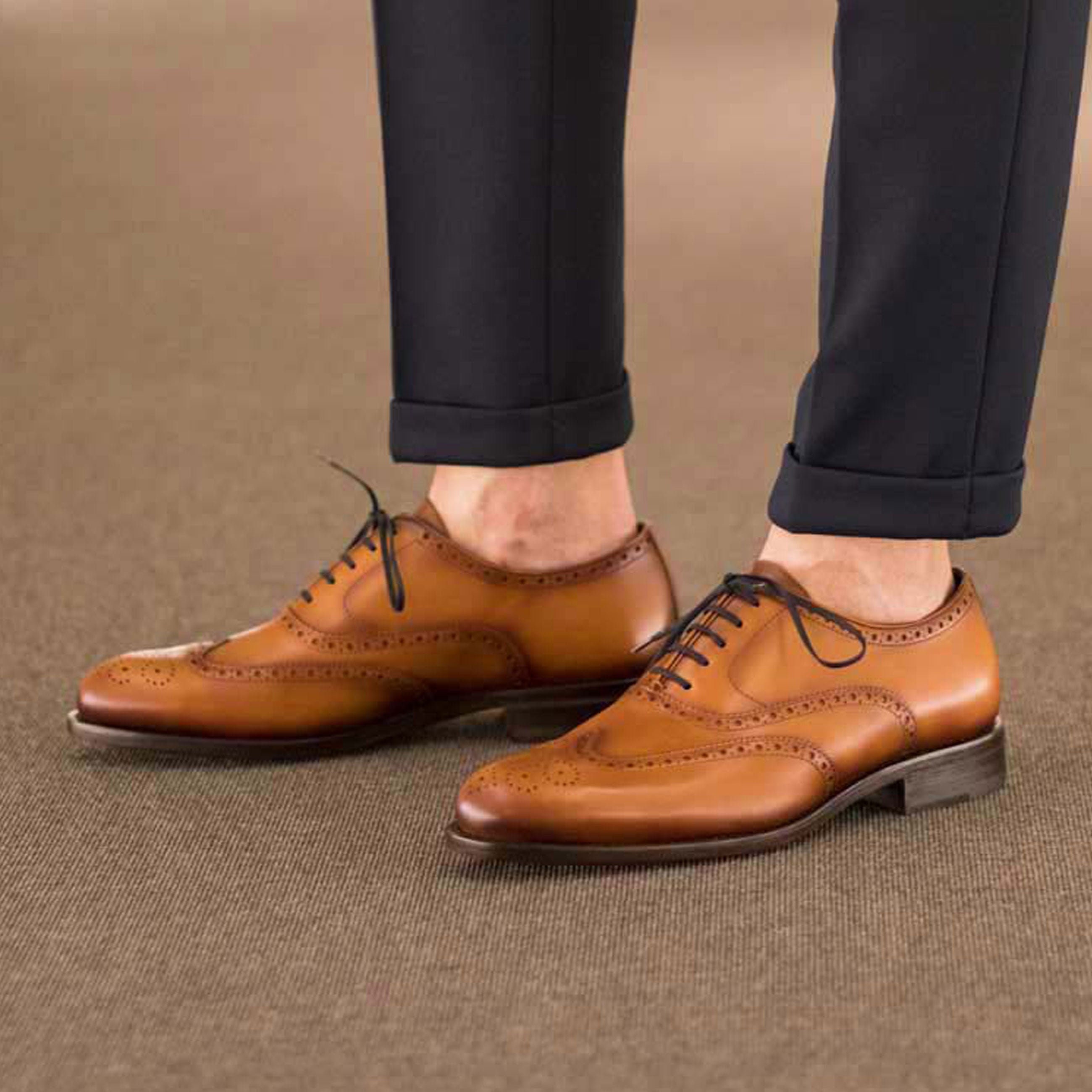
Brogues İskoçya ve İrlanda'da kırsal ayakkabı olarak ortaya çıktı. Delikli detayları başlangıçta fonksiyoneldi; ıslak arazileri geçtikten sonra suyun tahliye edilmesine yardımcı olurdu.
Bugün, zarif kırsal stilinin vazgeçilmez parçalarından biridir—tweed blazerler ve yün pantolonlarla mükemmel uyum sağlar.
7. Derby Ayakkabıları

Derby ayakkabıları Oxfordlara benzer, ancak açık bağcık sistemiyle daha az resmi ve günlük kullanım için daha rahat olmalarını sağlar.
İş ve hafta sonu kıyafetlerinde kullanılabilecek çok yönlü bir deri ayakkabısı arıyorsanız idealdir.
8. Sürüş Mokasinleri

Sürüş Mokasinleri, Akdeniz kökenli eski para stilini yansıtıyor. Yaz gardıroplarında bunları sık sık keten pantolonlar ve hafif örgü giysilerle birlikte görürüm.
Kauçuk çakıllı taban başlangıçta spor arabalarını sürmek için tasarlanmıştı; bugün ise sadece rahat bir lükse işaret ediyor.
9. Bot Ayakkabıları
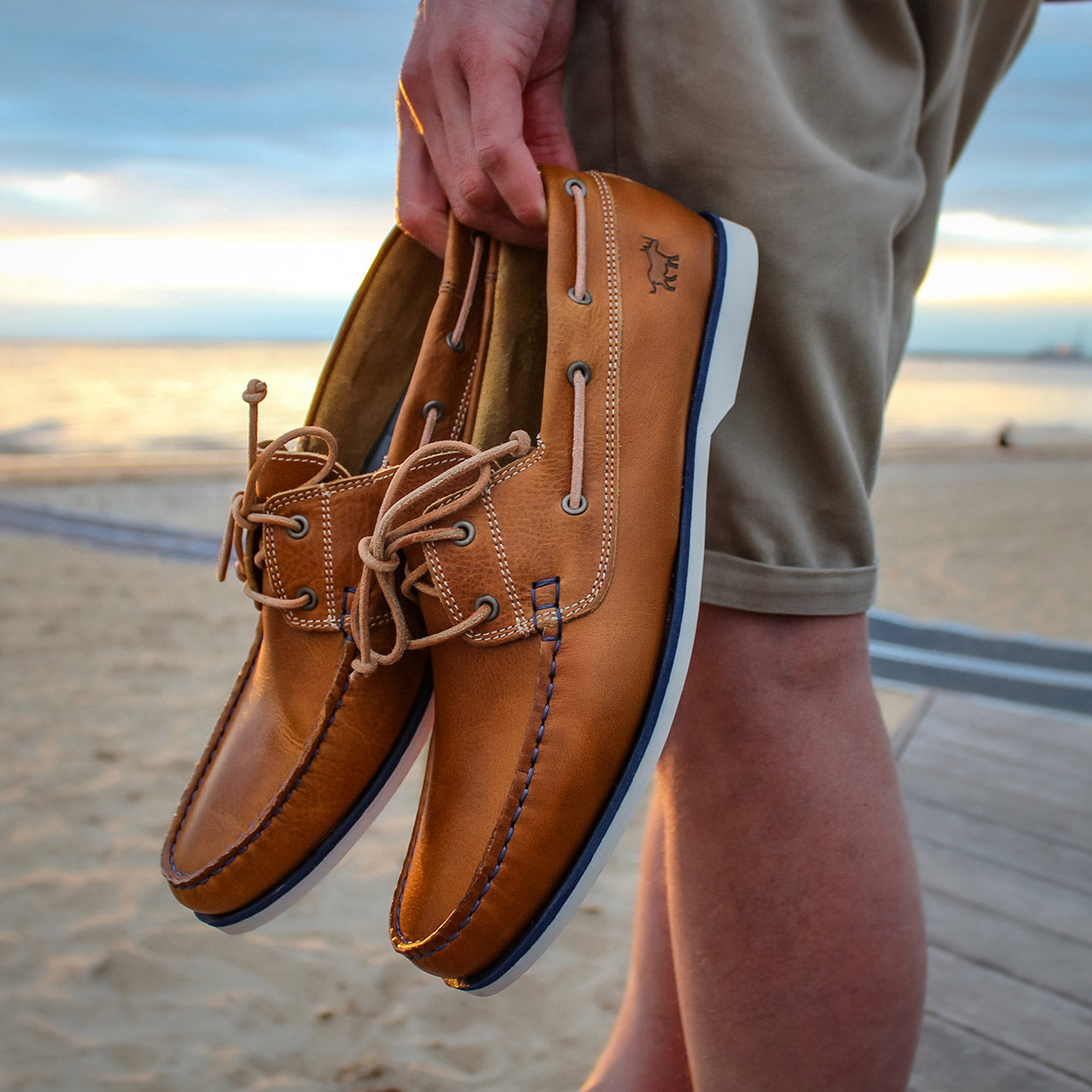
Bot ayakkabıları, Amerikan Doğu Kıyısı zenginliği ve yelken kültürüyle eş anlamlıdır. Nantucket, Martha’s Vineyard ve Hamptons gibi yerlerde yazlık gardıroplarının vazgeçilmez parçaları arasında kalmaya devam ediyorlar.
Onları bu makalede anlatılan eski para şortları gibi chino şortları veya rahat pantolonlarla eşleştirin.
10. Süet Loaferlar

Süet loaferlar, klasik loaferların daha yumuşak ve daha rahat bir varyasyonunu sunar. Bahar ve yaz gardıropları için onları öneriyorum çünkü hafif kumaşlarla mükemmel uyum sağlarlar.
En İyi Renkler
- Tütün kahverengi
- Kum beji
- Lacivert
11. Chelsea Botları
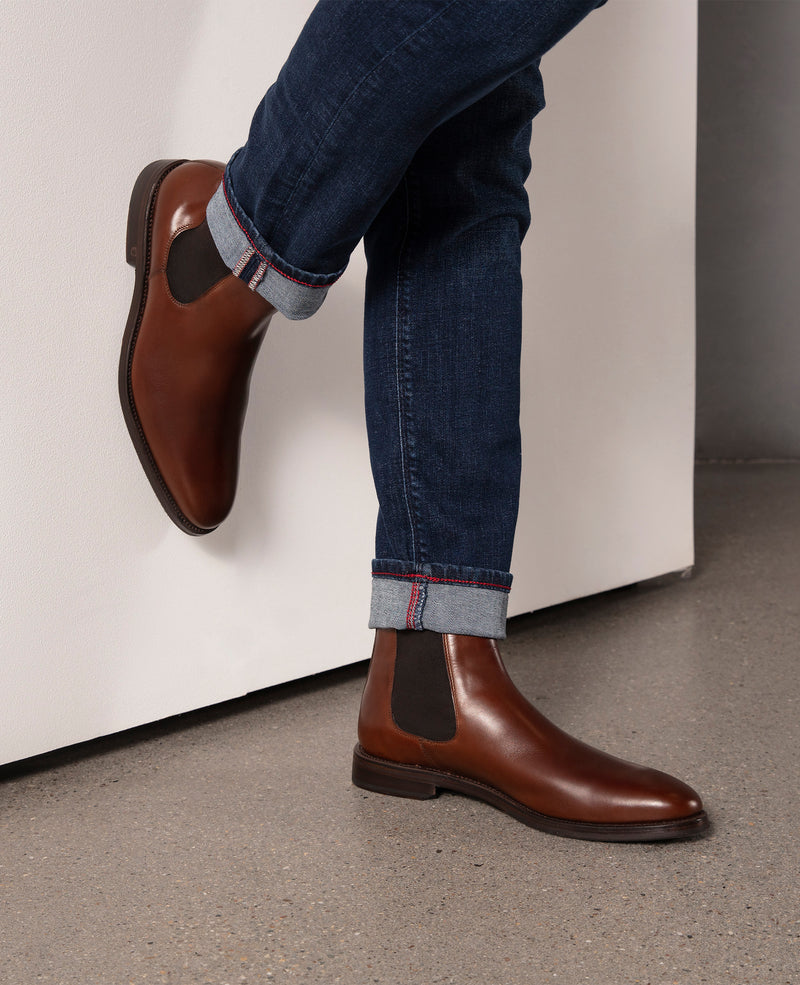
Chelsea botları, daha serin aylarda zarif bir seçenektir. Temiz slip-on silueti, eski para modasının sade zarafetinin merkezi olan görünümü sürdürür.
Yün pantolonlar ve örgü giysilerle, eski para modasındaki kazaklar gibi zamansız parçalarla mükemmel uyum sağlarlar.
12. Chukka Botları
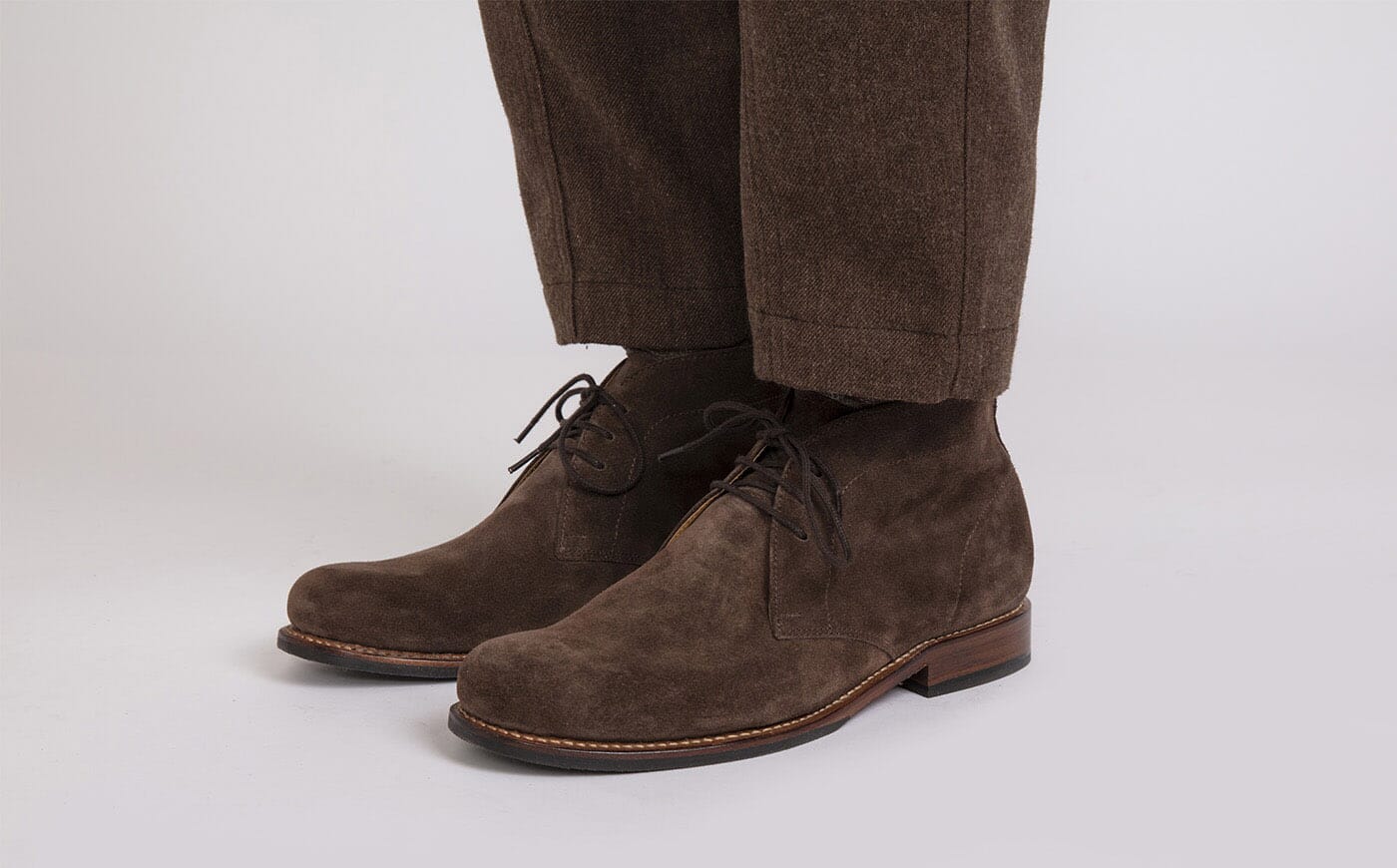
Chukka botları gündelik ile resmi ayakkabılar arasında bir yerde durur. Genelde süet versiyonlarını öneriyorum çünkü sofistike ama rahat bir görünüm sağlarlar.
İngiliz kır stiliyle özellikle popülerler ve tweed ya da flanel ile harika görünürler.
13. Tam Kesim Ayakkabılar
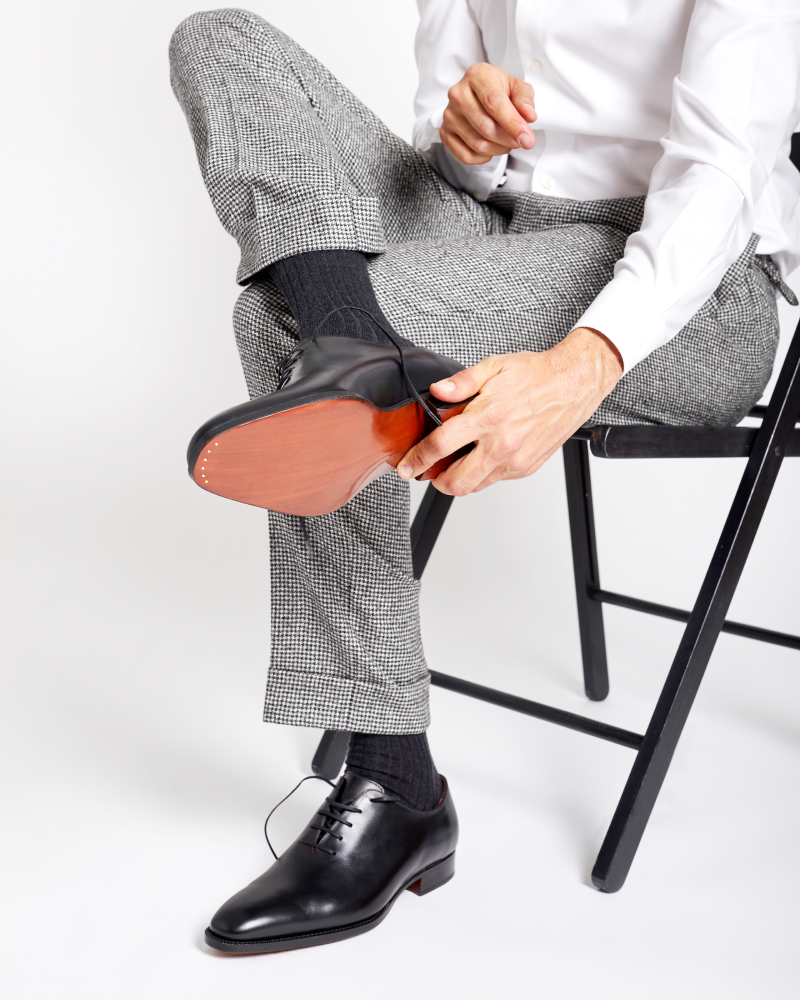
Tam Kesim ayakkabılar tek bir deri parçasından yapılır ve klasik ayakkabılarda en temiz siluetlerden birini oluşturur.
Nadirler, pahalılar ve son derece zarifler—bu nitelikler eski para modasının sakin lüks felsefesiyle mükemmel uyum içindedir.
14. Saddle Ayakkabıları

Saddle ayakkabılar, 20. yüzyılın ortalarında Ivy League okullarda popülerlik kazandı. Ortadaki kontrastlı deri paneli belirgin bir üniversite görünümü yaratır.
Bugün daha az yaygın olsalar da geleneksel prep gardıroplarında hâlâ görülürler.
15. Monk Strap Ayakkabıları
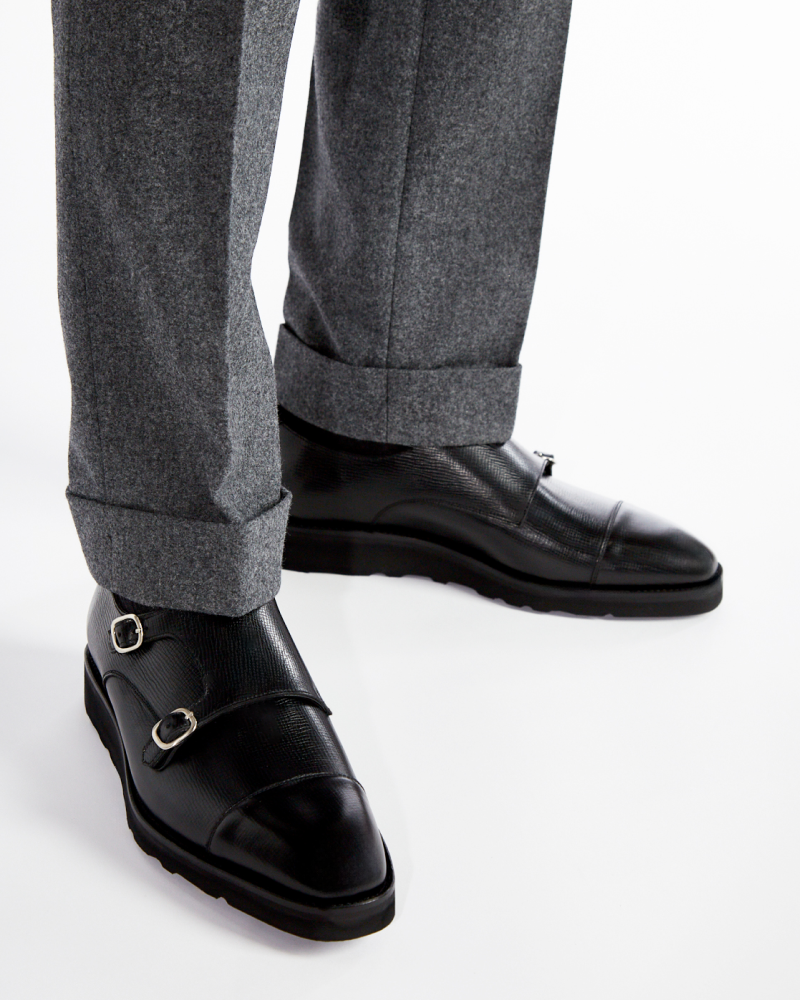
Monk strap ayakkabılar geleneksel bağcıkları tokalı kapanışla değiştirir; zarif ama hafif modern bir estetik yaratır.
Oxford ayakkabılarından daha ilginç bir şey aradığınız ve yine de zarif olan profesyonel ortamlarda özellikle iyi çalıştıklarını düşünüyorum.
16. Espadriller
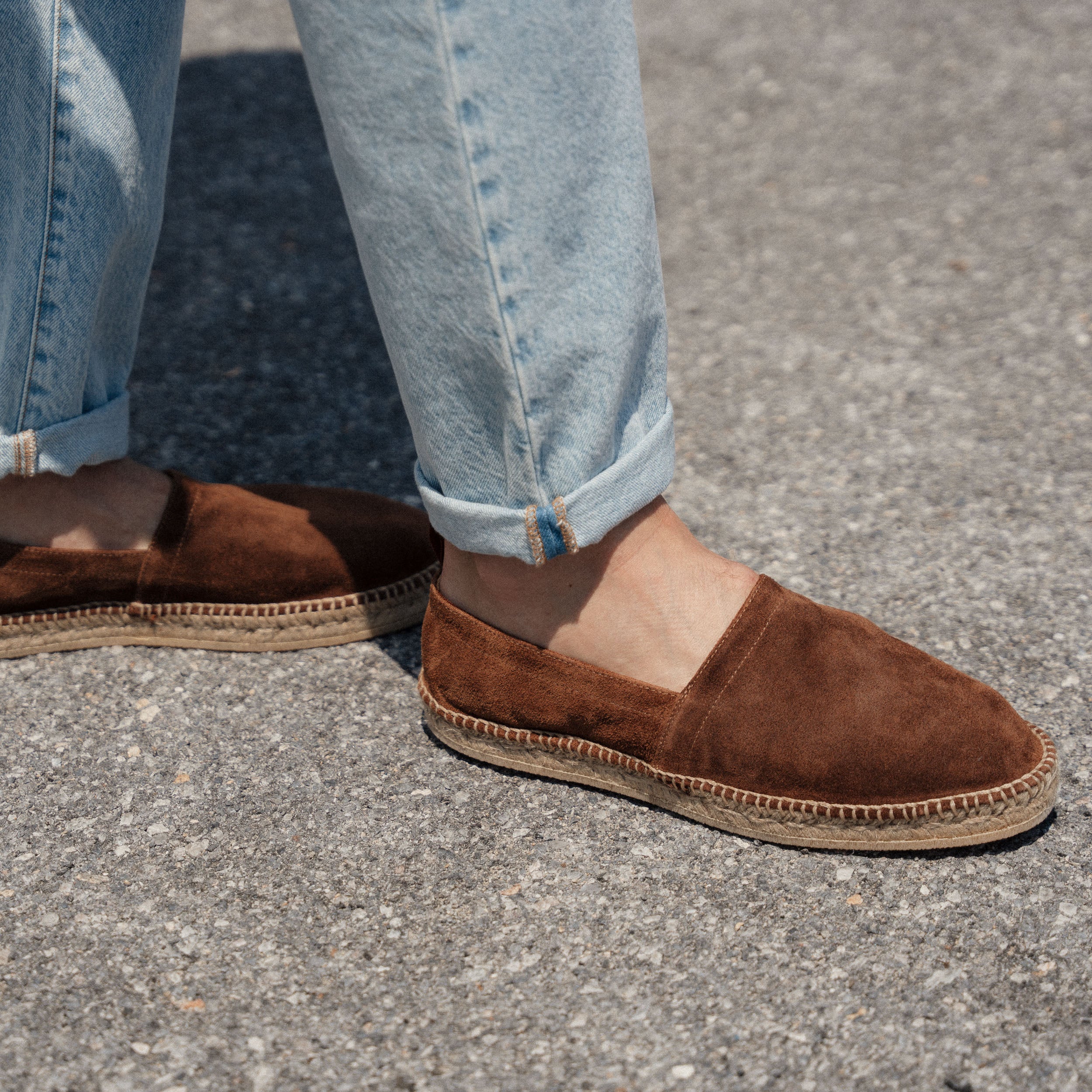
Espadriller, rahatlatıcı bir Akdeniz zarafetini temsil eder. Kanvas üst yüzeylere ve ipten tabanlara sahip oldukları için yaz tatilleri ve kıyı bölgeleri için idealdir.
Bunları keten pantolonlar, polo gömlekler veya hafif kumaşlı takım kıyafetleriyle zahmetsiz bir mevsimlik stil için kombin edin.
17. Klasik Deri Sneaker'lar
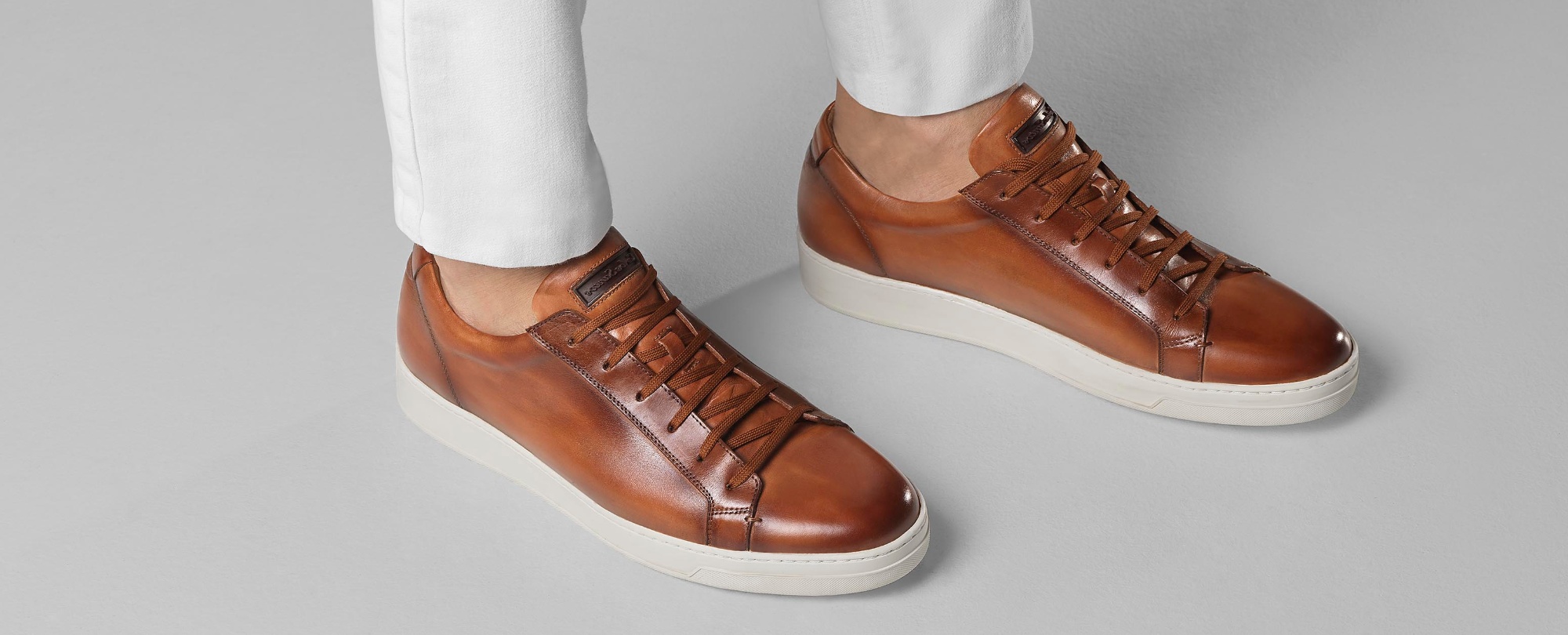
Sneaker'lar geleneksel olarak seslendirmeyebilir, ancak minimalist deri sneaker'lar modern eski para gardıroplarında geniş çapta kabul görmüştür.
Anahtar unsur sadeliktir—temiz beyaz deri ve minimum markalaşma. Bunlar, gündelik takım ve rahat hafta sonu kıyafetleriyle mükemmel uyum sağlar.

Eski Para Ayakkabıları Nasıl Seçilir?
Klasik gardıropları ve tarihî erkek modası markalarını inceledikten sonra, eski para modasında ayakkabı seçimlerini yönlendiren üç tutarlı ilke fark ettim.
1. Zanaatkarlığa öncelik verin
Yüksek kaliteli deri ve geleneksel ayakkabı yapım yöntemleri, ayakkabıların zarifçe yaşlanmasını sağlar. İyi yapılmış ayakkabılar, doğru bakım ile onlarca yıl dayanabilir.
2. Nötr renklere bağlı kalın
Geleneksel paletler eski para gardıroplarını domine eder:
- Siyah
- Koyu kahverengi
- Konyak rengi
- Lacivert
- Bej süet
3. Aşırı markalaşmadan kaçının
Logolar ve gösterişli ayrıntılar, estetiğin merkezinde bulunan sade zarafetle çelişir. Miras tasarımı her zaman trend odaklı moda karşısında kazanır.
Tam Bir Eski Para Gardırobu Oluşturmak
Ayakkabılar, daha geniş estetiğin yalnızca bir bileşenidir. Saç stilleri, terzilik, takılar ve kumaş seçimleri hepsi özenli ancak çabasız bir görünüm için katkıda bulunur.
Kişisel stilinizi geliştiriyorsanız, bu rehberler estetiği tamamlamaya yardımcı olur:
- Erkekler için eski para saç kesimleri
- En iyi eski para markaları
- Eski para takıları
- Kadınlar için eski para görünüm
- Eski para sarışın stili
Bu öğelerin birlikte anlaşılması, eski para modasını tanımlayan bütüncül, sofistike bir imaj yaratır.
Son Düşünceler
Klasik erkek modasını incelemekten öğrendiğim en önemli ders, eski para stilinin trendlerden çok uzun ömürlülüğü önceliklendirmesidir. Burada listelenen her çift ayakkabı, tasarımların işçilik, çok yönlülük ve sade zarafeti vurgulaması nedeniyle yıllardır güncelliğini korudu.
Çok yönlü temel parçalarıyla başlayın: penny loafer'lar, Oxford ayakkabılar ve süet loafer'lar; ardından bot ayakkabıları veya Chelsea botları gibi mevsimlik seçeneklere geçin. Dikkatli seçildiğinde bu ayakkabılar, modaya uygun olmaktan ziyade zamansız bir his veren bir gardırobun omurgasını oluşturur.
Sonuç olarak amaç zengin görünmek değildir—zorlanmadan zarif görünmektir. Klasik erkek giyiminde ise harika ayakkabılar çoğu zaman tüm kıyafeti çalışır hâle getiren sessiz ayrıntılardır.
Browse the Shop
 Acacia frida deluxe solid wood bed frame |
Bedroom bench |
Bed chest drawers |
Lingerie dresser |
Frame base |
Mirror with jewelry storage |
30 Bathroom Vanity |
Memory foam queen mattress |
Mattresses for back pain |
Nightstand set of 2 |
Grand Goldman Shop |
Civil Lawyer
Deutschland Trikot WM 2026
Acacia frida deluxe solid wood bed frame |
Bedroom bench |
Bed chest drawers |
Lingerie dresser |
Frame base |
Mirror with jewelry storage |
30 Bathroom Vanity |
Memory foam queen mattress |
Mattresses for back pain |
Nightstand set of 2 |
Grand Goldman Shop |
Civil Lawyer
Deutschland Trikot WM 2026










