

This week marks no less than 120 years since the inauguration in Athens of the Modern Olympic Games and also, of course, of thehistory of olympic track and field. And the test of international sporting events had a fundamental element in watchmaking in general and in chronographs in particular from its early years. The increasingly precise measurement of sporting disciplines has been one of the traditional challenges of watchmaking, leading to some milestones later exported to the market and giving us today some of the extraordinary measurement tools available in wristwatches, whether we are athletes or not.
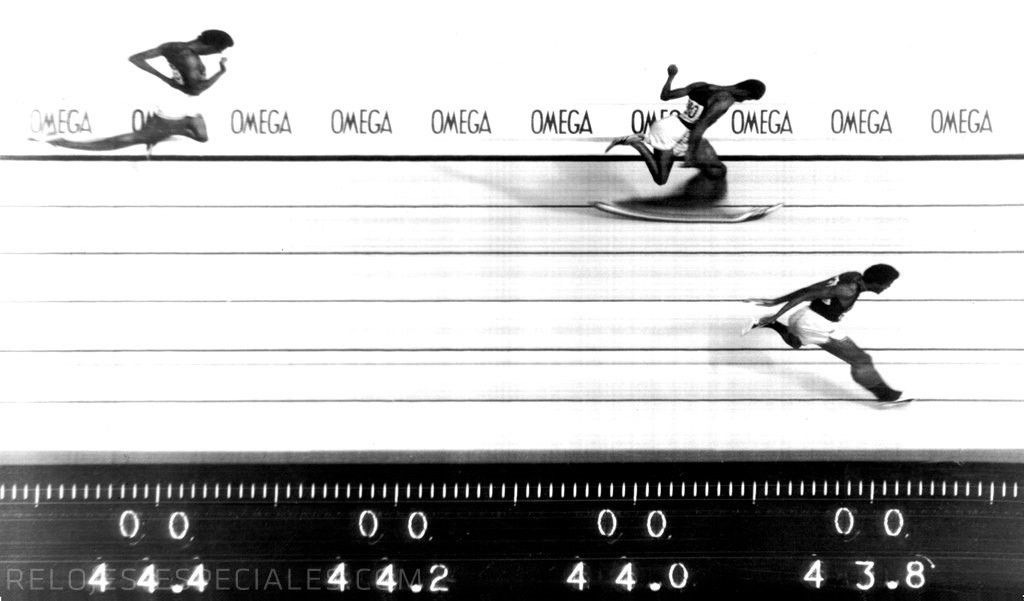

With thenext Olympic Games about to begin on August 5 in Rio de Janeiro, today the test measurement brings together a total of 335 specific markers, 79 generic markers, 480 timing professionals, 450 tons of material and 200 km of cables and fiber optics to achieve perfect, real-time monitoring capable of being viralized throughout the planet. A range of figures that would surprise any ancient Greek because in the original sporting events that inspired this competition, time was of no importance, only the name of who won.
The measurement of time in the first Olympic Games
The Games of the First Olympiad, as the current Olympic Games are known, were the embodiment of the dream of Baron Pierre de Coubertin, considered the father of the modern Games, and were held for the first time in Athens in 1896. During this time, of course, many changes have taken place both in the number of participating athletes, as well as in the disciplines and the way of timing them.
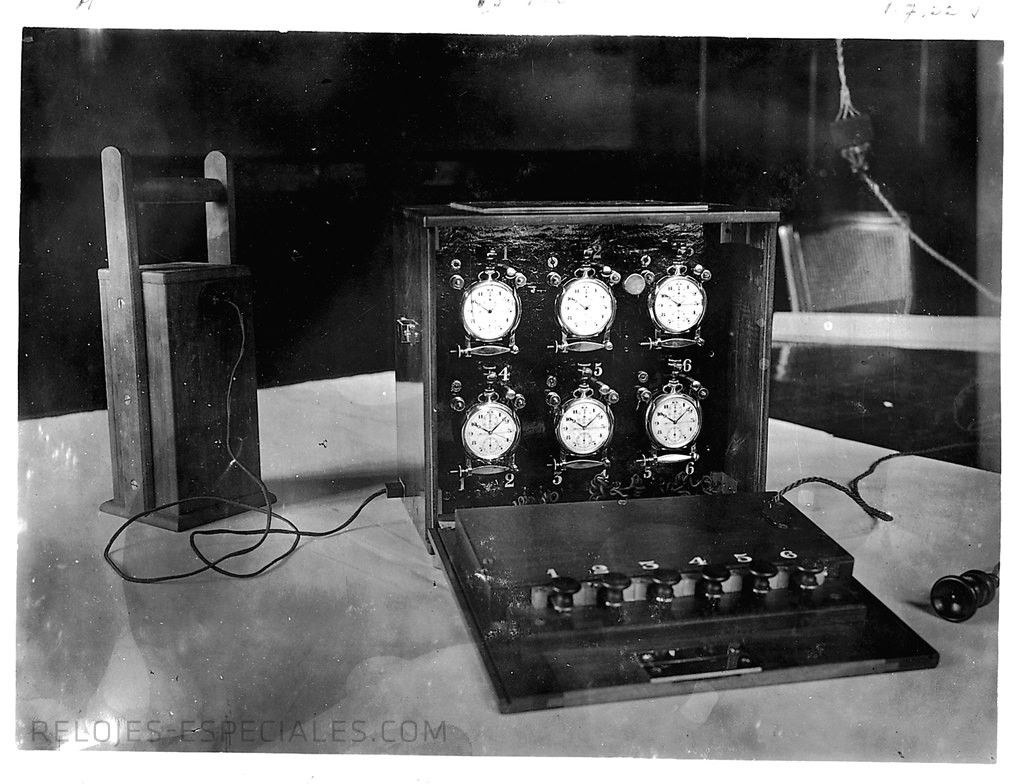
Until the celebration of these first games, therace timinghad had to deal with the enormous challenge of exceeding the limit of measuring seconds. From the chronograph designed byAbraham-Louis Breguet, in 1850 the University of Oxford released a clock with a resolution of 1/2 second, it would not be until 12 years later that races could be timed with 1/5 second. This measurement was maintained for several years despite the fact that technology was allowing measurement in tenths. At the beginning of the century there appearedfirst electronic chronographs y en 1916 Heuer patented a 1/50th of a second chronometer. The German brand was responsible for the timing of the Olympic Games from 1920 to 1928, whenLongines manufactured a pocket chrono that measures with an accuracy of 1/100 of a second.
Since 1932 in Los Angeles,OMEGA has been the official timekeeper of the games,role that it repeats again in this next edition. The watchmaking house then used 30 high-precision chronographs previously certified by the Neuchâtel Observatory to achieve this. In more than 80 years, Omega has only given up its role in Olympic measurement on five occasions: In 1964 at the Tokyo Games, which were timed by Seiko, and the following four times during the twelve years that elapsed from the Barcelona Games in 1992 to the Athens Games in 2004, when Swatch was in charge.
Some milestones of the timing of the Olympic Games
Among themilestones in the history of olympic track and fieldThere is the first use of photoelectric cells in the 1948 Winter Olympic Games in St. Moritz or the first photofinish camera, the Magic Eye, which in 1952 was coordinated with the Omega timing system to show images that recorded hundredths of a second of the athletes at the finish line.
Over time, some of the changes even meant that rules had to be changed to adapt it to the detail provided by milliseconds. In 1988, computing arrived and, from this moment on, the history of Olympic timing is also thehistory of the collection and dissemination of thousands of data in real time.Since 1996, various systems have perfected the formulas to transmit the results to the entire world in moments via the Internet.
Best watch strap | Best annual calendar watch | Best watch winder | Best Black Luxury watch | Best Luxury Watches Men | Best Swiss Luxury Watches Women | Best Men Diamond Watches under 1000 | Best Diamond Watches Women | Best Luxury Dive Watch










