

Of among thehorological complicationsthat have contributed to ennobling the Art of Fine Watchmaking, that ofalarm or alarm clockIt is one of the oldest, as is generally the case with all those related to sonnería. It is as if human beings are not only satisfied with measuring time accurately, but also want to adorn it with music and sounds that alleviate or highlight its inexorable passage.
Find Bleeding Edge Supplements at Scandalous Prices on iHerb.

Today we will stop at the simple chime, alarm or alarm clock, and we will take a short historical tour, reflecting at the end on its validity in these times of the digital age.
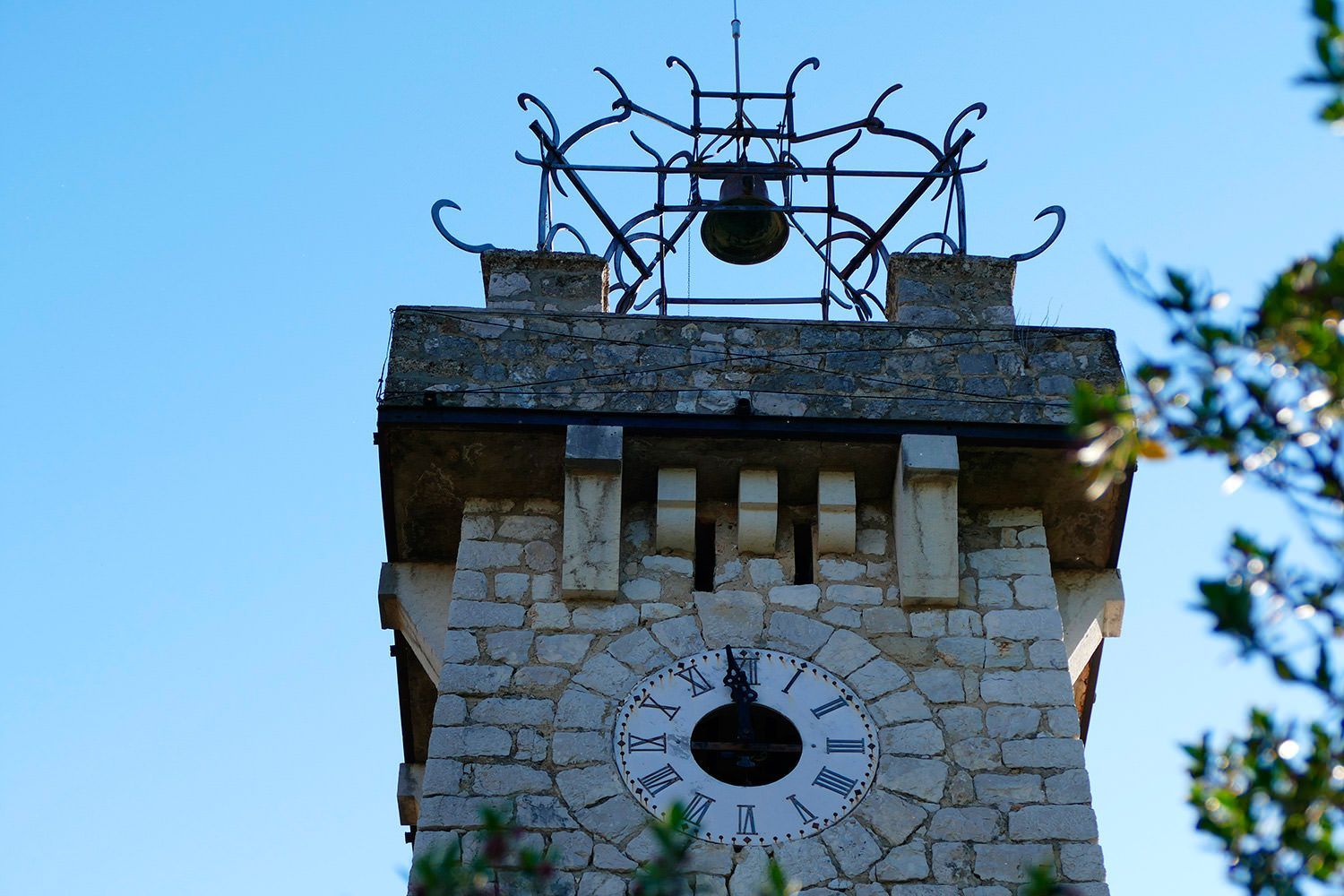
Its usefulness in ancient times was undeniable: it brought people out of sleep at the appropriate time or served as a reminder, whether for a specific person or a group, without the need for someone in person to take care of it. These first warning mechanisms had their most obvious expression in the tower clocks of the 14th century, which announced the hours with the ringing of bells, although it is suspected that already in the 12th century the monks of the monasteries were called to their services and obligations by means of clock sounds.
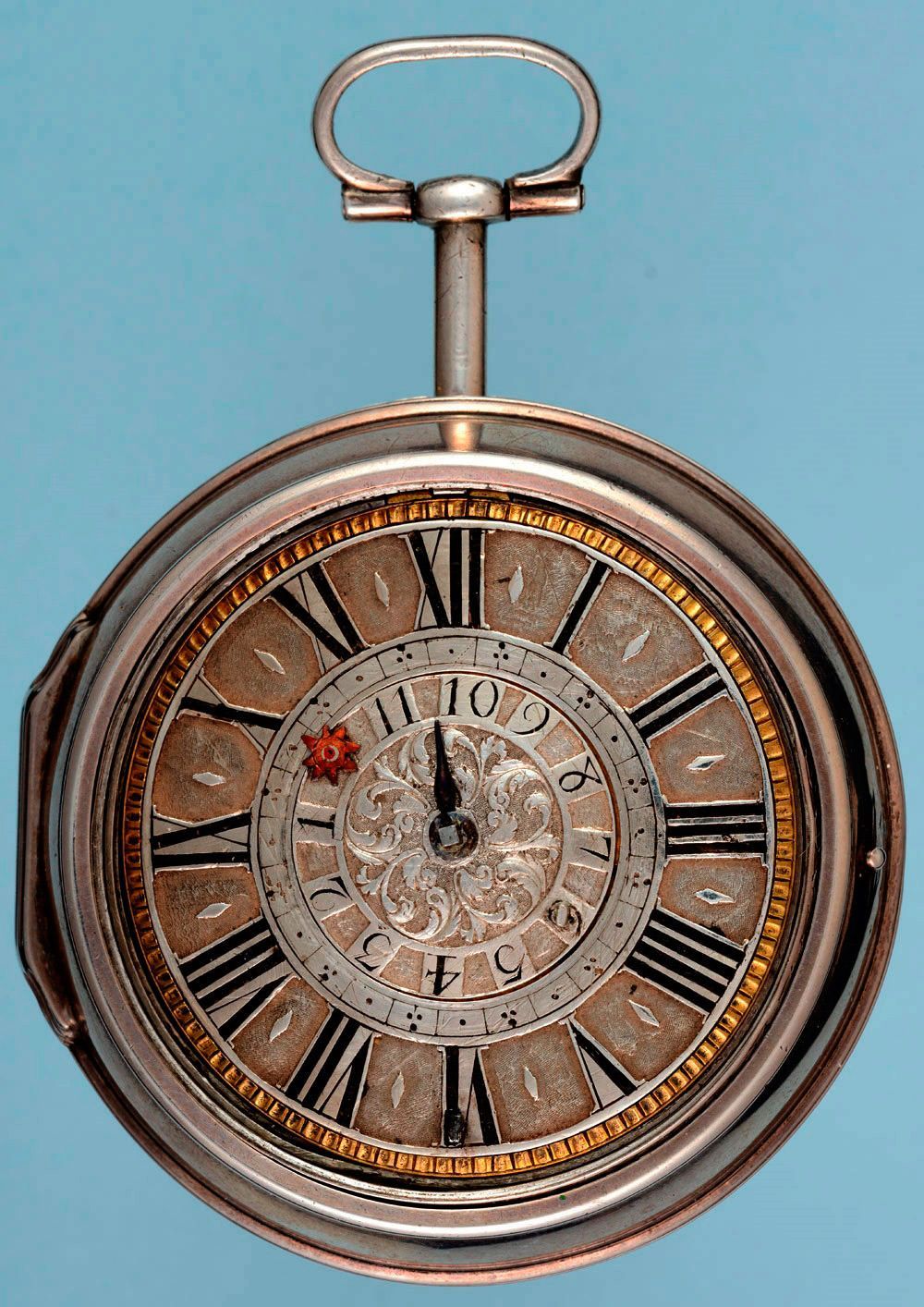
In the Renaissance, alarm clocks gradually extended their influence from the common to the private space, with the appearance of the first table clocks and even the first pocket watches with that horological complication that posed a mechanical and precision challenge. At the end of the 16th century and beginning of the 17th century, for example, mastery of execution was a requirement to belong to the Corporation of Watchmakers of Geneva and be considered a master watchmaker.
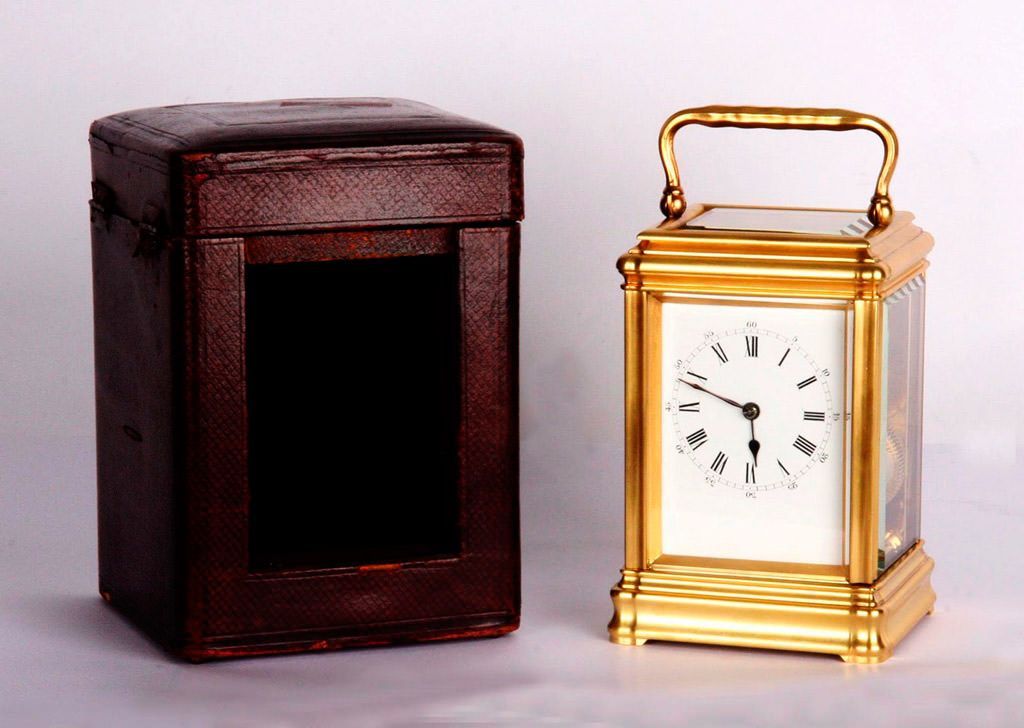
Its development since then has been unstoppable, being used for various purposes such as warning travelers so that they do not miss their transfers (the so-called “carriage clocks”). But the definitive leap for the alarm clock ringing occurred in the 20th century, with the appearance of the wrist watch with alarm, fully programmable and of extraordinary comfort because it allowed the user to move without limit and enjoy the complexity of watches with simplicity.
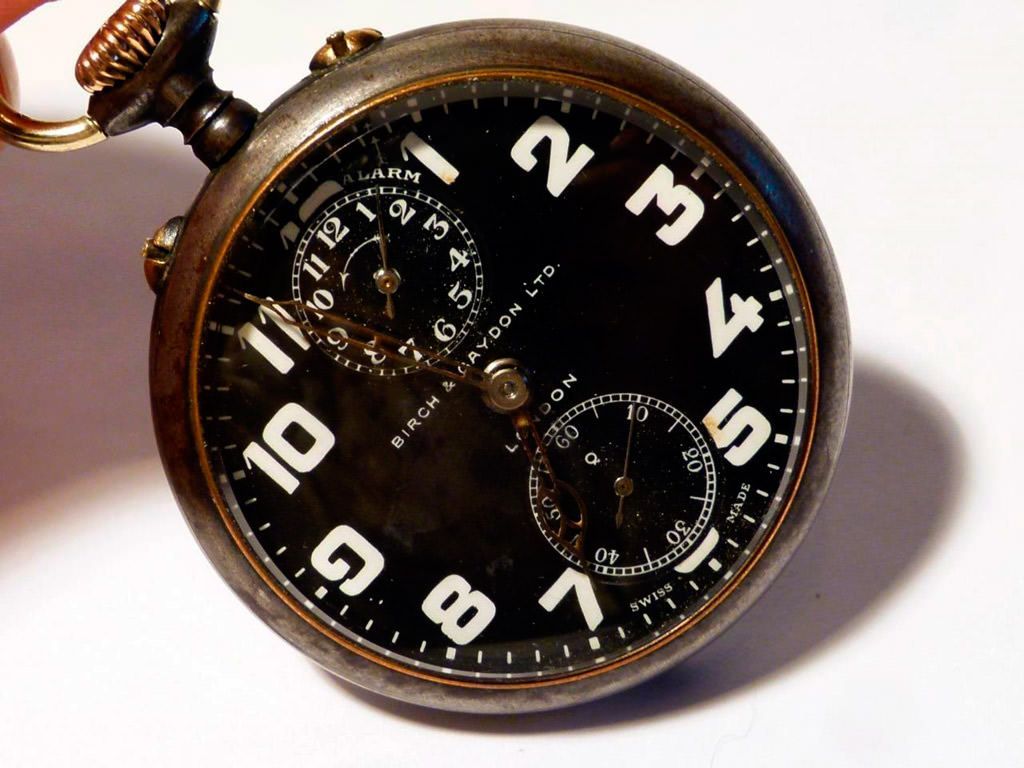
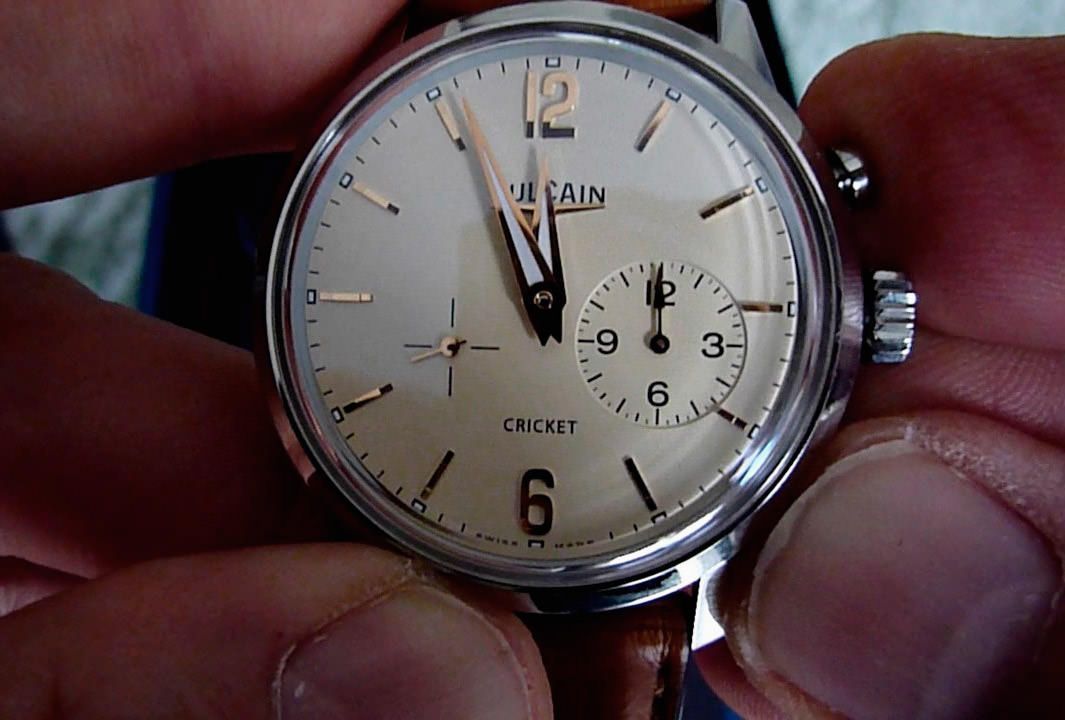
We are talking about the legendary Cricket, from Vulcain, created in 1947 by Robert Ditisheim. Its name (“cricket” in English) is due to the slightly screeching sound produced by its bronze and beryllium bell. Its mechanism, with a double back case to enhance the sound of the alarm, was simple and effective and, basically, is the one that is still used today: when the cams and notches of the hour wheel and the alarm wheel engage, the hammer hits repeatedly and quickly against a resonating body, which may be the bottom of the case itself, producing an accelerated percussive sound and making the watch vibrate on the wrist.

Another legendary watch, created a little later, in the 1950s, is the Memovox by Jaeger-Le Coultre. Its name, captivatingly poetic and very appropriate, would come to mean in Latin “the voice of memory” and on this occasion the hammer struck against a peg that came out of the bottom of the box.
Later, other very famous simple chime models emerged, such as the Deep Sea Alarm or the Polaris, which along with the Memovox, the Amvox and the Cricket are still marketed today, despite the fierce competition that mechanical alarm clocks have with digital alarm clocks or mobile phones themselves.
And what's the point of continuing to use this type of watch complication? Digital ones usually sound louder, the user can choose the warning music and an element as necessary and common today as the mobile phone has it incorporated. It is therefore undeniable that continuing to use thehorological complication of the alarm or alarm clock, apart from the interest of the collector or the entertaining challenge that its repair represents, is an act of romanticism, a sign of elegance and a touch of distinction compared to the prevailing uniformity. But they are actions, contrary to what might seem, also necessary today, because defending vintage will always carry with it a desire for exclusivity and gentle rebellion against passing fashions. Wearing a simple striking watch on your wrist is, after all, reclaiming the beauty of tradition and the centuries-old, patient and meticulous work of master watchmakers in these volatile times marked by ephemerality.
Best watch strap | Best annual calendar watch | Best watch winder | Best Black Luxury watch | Best Luxury Watches Men | Best Swiss Luxury Watches Women | Best Men Diamond Watches under 1000 | Best Diamond Watches Women | Best Luxury Dive Watch
Browse the Shop
 Acacia frida deluxe solid wood bed frame |
Bedroom bench |
Bed chest drawers |
Lingerie dresser |
Frame base |
Mirror with jewelry storage |
30 Bathroom Vanity |
Memory foam queen mattress |
Mattresses for back pain |
Nightstand set of 2 |
Grand Goldman Shop |
Civil Lawyer
Deutschland Trikot WM 2026
Acacia frida deluxe solid wood bed frame |
Bedroom bench |
Bed chest drawers |
Lingerie dresser |
Frame base |
Mirror with jewelry storage |
30 Bathroom Vanity |
Memory foam queen mattress |
Mattresses for back pain |
Nightstand set of 2 |
Grand Goldman Shop |
Civil Lawyer
Deutschland Trikot WM 2026










