

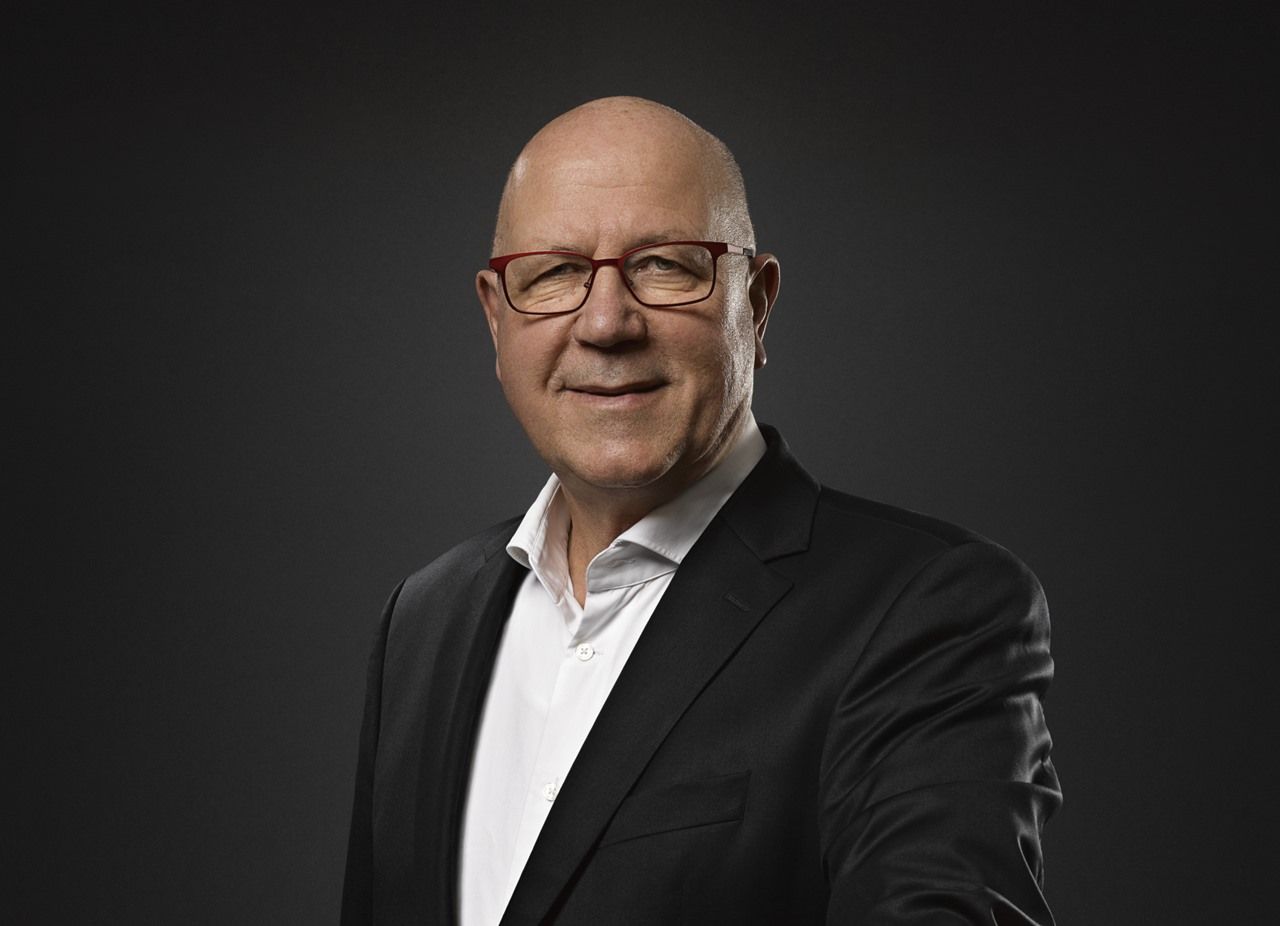
Ulrich W. Herzog, president ofORIS, is a living legend of Swiss watchmaking. He joined the company as marketing director at the end of the 60s, lived through the quartz crisis of the 70s and the sale of the company to the semi-public group ASUAG (Allgemeine Schweizerische Uhrenindustrie AG). In 1982, in a “management buyout” operation, it was repurchased from ASUAG, thus recovering its independence. That moment marks the rebirth of Oris, dedicated since then to producing mechanical watches “at sensible prices,” in his words. Oris has stayed away from the apparent bullish price madness that some competitors have experienced, which has a lot to do with that independence of decision. We interviewed him at the presentation of his latest project: Oris Oceans Keeper.
Get Lifetime Access to Top AI Tools
Find Bleeding Edge Business Software at Scandalous Prices on Appsumo.

Oris has been an independent brand for practically its entire history. Will it continue to be this way or do you foresee a strategic sale-merger in the short term? Any conversation?
(smiles) Business independence is a way of thinking, a mentality. It is the way we want to do things, with freedom of movement but above all of decision. The people I talk to about this tell me it's what they appreciate most about our brand. Yes, we receive sales proposals all the time, at least five a year, and I always answer the same thing: we are not for sale, we have no intention or need to lose our freedom, which after all is our hallmark.
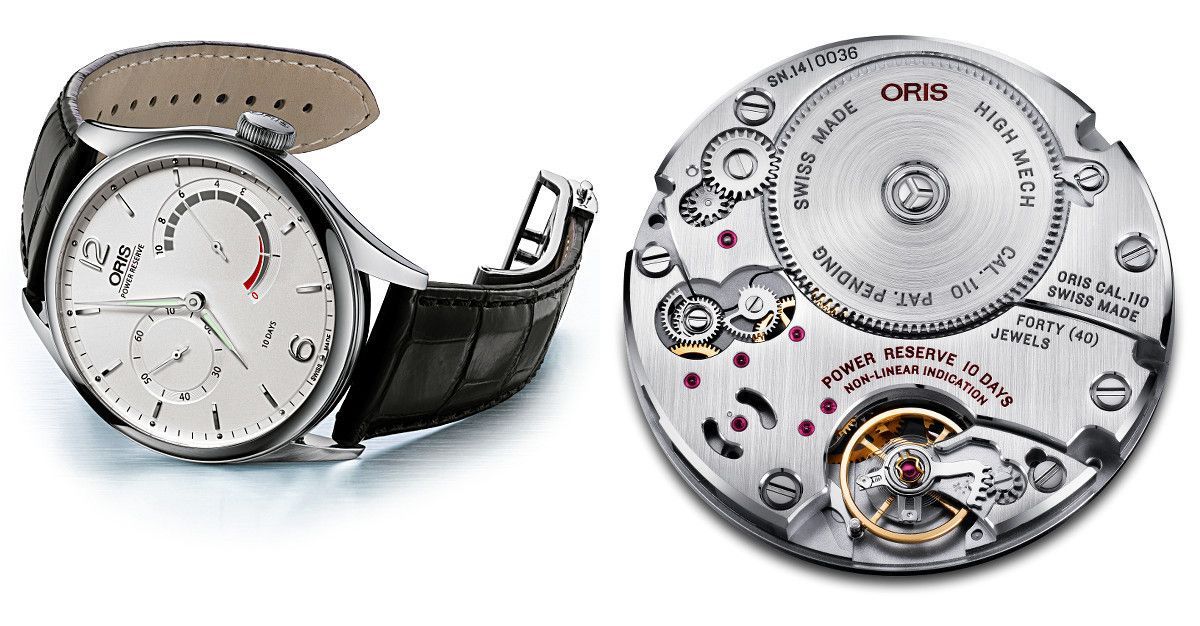
Throughout its more than one hundred years of history Oris has created countless calibers, but it was on the occasion of its 110th anniversary that it has recovered that tradition precisely with the caliber 110, and every year since 2014 a complication has been added, making three. How many more do you have in your portfolio?
It took us more than four years to develop caliber 110, which we could call “base caliber”, and I must say that despite having up to 270 calibers in our own history, it was quite a challenge because it had been 35 years since the last one, which of course was not that sophisticated. After him we dedicated ourselves to adding modules to EtaSA or Sellita base calibers, so with the 110 we were practically starting from scratch. We have gained a lot of experience developing it and each new caliber is better than the last. How many more will there be? I can only confirm that next year there will be a 114 caliber.
You often talk about “sensible pricing.” Entering the field of manufacturing with this new caliber, prices necessarily tend to rise. Is that where the brand is trending? Perhaps the beginning of a new era at Oris?
I wouldn't call it an era. In reality everything is relative and our prices can remain sensible even when talking about manufacturing. When we calculate the prices of our products we do so with a criterion of rationality that seeks balance, without seeking disproportionate margins that would harm us in the long run. This is why this manufacturing caliber continues to maintain an excellent quality-price ratio. Indeed, it is a new terrain, and spending €5,000 on a brand where at most you have been spending €2,000 or €2,500 on is a new experience, but it is part of our own evolution and I must say that the market has reacted very favorably, especially with the caliber 111 Big Crown ProPilot. It is not a change in strategy, we do not lose sight of our own core, which are those watches around €2,000, we just wanted to prove to ourselves that we were capable of doing it. As I said before, we have created 270 caliber throughout our history, so bringing that activity back was natural, and we felt that our 110th anniversary was the right time.
Continuing with the “manufacturing” concept, it is clear that Oris has carried out the entire conception, design and development part of the 110, but what about the manufacturing part? Does Oris also make it?
Throughout our history, and with our ten factories, at Oris we have manufactured practically all the components of our watches, including of course those of the calibers. This is why we have extensive experience in this field and why we are aware that the sector has changed a lot since then. Nowadays it is a world in which each manufacturer is super specialized in its own activity, and that of course also affects the watch industry. Indeed, we entrust the manufacturing of our designs to external companies and under our specifications, and in these companies we come across other renowned brands that also entrust them with part of their production even though they later say that they are manufacturing. But the truth is that it is no longer possible to continue manufacturing everything yourself if you want to maintain a tight price range. The important thing here is that the concept and development of the caliber 110 and its sequels is 100% Oris.
Non-manufactured movements: it is known that the rise of Sellita (the current supplier of Oris calibers) occurs at the time when EtaSA announces that it will stop supplying brands outside the Swatch Group. It seems that the economic situation has made you change your mind. Will Oris buy from EtaSA again?
Sellita was EtaSA's main client (it bought components to assemble them and sell finished calibers or ebauches). When EtaSA issued that announcement, it had just enough time to reorient a factory of 400 workers towards a factory with its own movements. Oris, which had already dealt with EtaSA during the time it spent within the ASUAG group (the embryo of what would become the Swatch Group) had to give up producing its own calibres in favor of it under contract... We were one of Sellita's first clients and we have no intention of stopping being so, because no one knows when EtaSA will change its mind again and because, as I said at the beginning, at Oris we want to control our own destiny.
Faced with the uncontrolled increase in rates in recent years, and precisely as a result of the economic situation, some of its competitors have chosen not so much to lower prices as to recover entry ranges below €1,000. Is Oris considering something similar?
We've already passed that price of entry, but at Oris we think we're past that stage. Lowering our prices now would be like cheating on our customers, but we also cannot, because our prices, as I have already said, are carefully calculated and are in line with the product we offer. Sure we could cut our own margin while we wait for bankruptcy (laughs) but I insist that our calculations are consistent with what we offer, and genuine value should not depreciate. Another thing would be to start producing “low cost” as some competitors have done, I suppose out of necessity, but that is something that for now is not part of our plans in the short or long term.
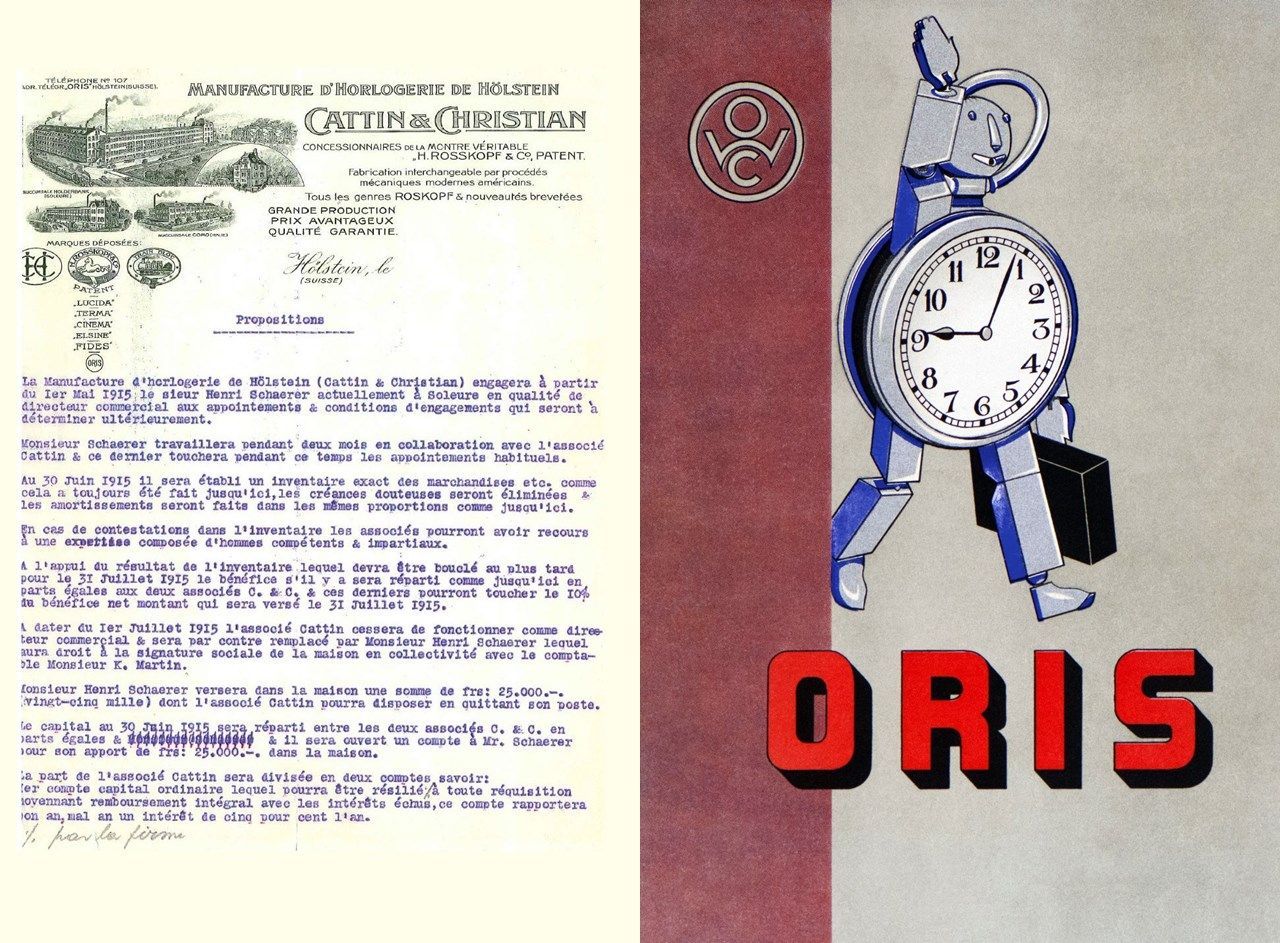
Finally, he proudly shows me a series of documents from the beginning of the 20th century that contain everything from the founding of the company to the evolution of the logo, emblems and catalogs of the company over the years. An anecdote: the famous “man” that characterized Mido in the middle of the century was bought from Oris, which had invented it years ago. Thanks to Herr Herzog for his time;It is a privilege and a pleasure to be able to interview one of the protagonists in the recent history of Swiss watchmaking.
Best watch strap | Best annual calendar watch | Best watch winder | Best Black Luxury watch | Best Luxury Watches Men | Best Swiss Luxury Watches Women | Best Men Diamond Watches under 1000 | Best Diamond Watches Women | Best Luxury Dive Watch
Home Decor Shop
 Acacia frida deluxe solid wood bed frame |
Bedroom bench |
Bed chest drawers |
Lingerie dresser |
Frame base |
Mirror with jewelry storage |
30 Bathroom Vanity |
Memory foam queen mattress |
Mattresses for back pain |
Nightstand set of 2 |
Grand Goldman Shop |
Civil Lawyer
Deutschland Trikot WM 2026
Acacia frida deluxe solid wood bed frame |
Bedroom bench |
Bed chest drawers |
Lingerie dresser |
Frame base |
Mirror with jewelry storage |
30 Bathroom Vanity |
Memory foam queen mattress |
Mattresses for back pain |
Nightstand set of 2 |
Grand Goldman Shop |
Civil Lawyer
Deutschland Trikot WM 2026










