

Next July 12th and 13th theBalclis auction roomwill auction a total of 1,959 lots including works of art, antiques and jewelry, among which an important private collection of 43 pocket watches stands out.
Initially the use of pocket watches was restricted to the upper class as a sign of opulence, and was rare before the end of the 17th century. Already in the 19th century it became more common, until in the 20th century, as a consequence of World War II, the use of wristwatches to synchronize military actions became mandatory.

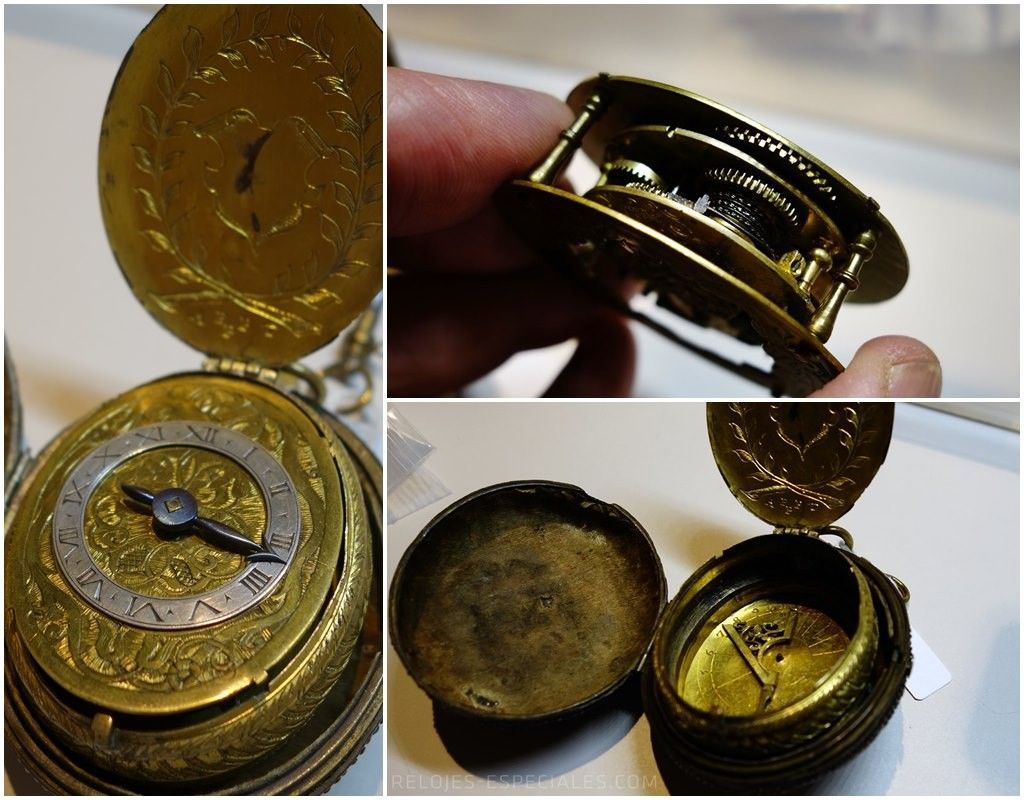
This unique collection that we present for auction today brings together a total of 54 lots - 43 pocket watches and 11 collector's accessories, such as small table clocks orchatelaines– which covers the history of watchmaking in the 17th, 18th and 19th centuries. In the mid-16th century, the first transportable watches appeared, by Peter Henlein, a humble Bavarian locksmith and watchmaker, inventor of pocket watches. These profuse, ovoid-shaped pieces are known throughout Europe as the Nuremberg eggs. Boxes finely carved, openwork or painted with enamel and with rare mechanisms that only the elite of the time could acquire. We can refer, in particular, to an early piece from the workshop of Mattheus Greillach – active during the 17th century in Germany. It is an oval clock with chime, compass and solar indicator, manufactured in the first third of the 17th century (lot 1). The box made of gilded and chiseled brass is meticulously crafted in a Mannerist style, with female nudes and plant motifs typical of the period.
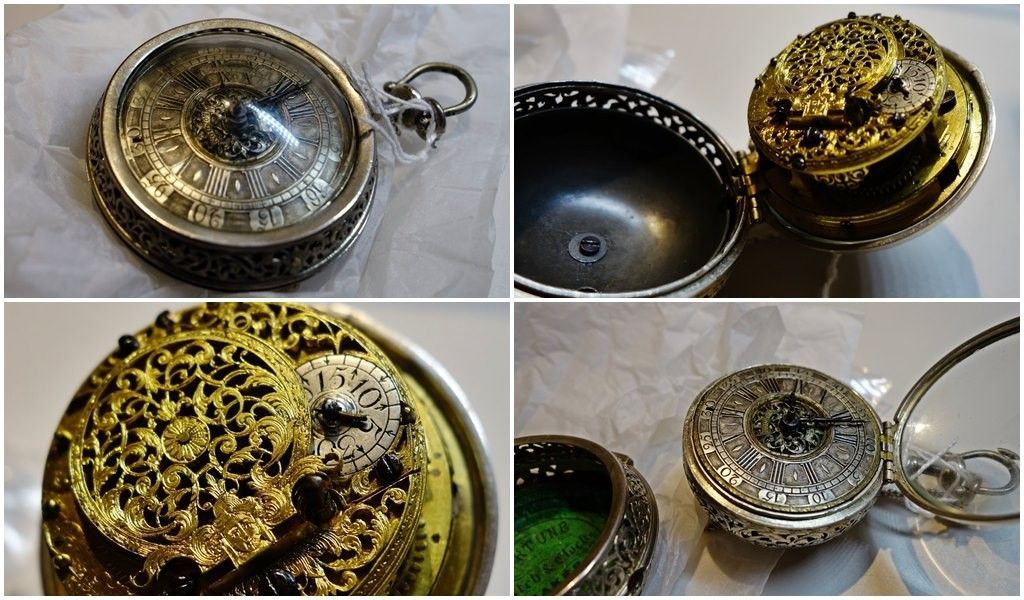
Already in the 18th century, the manufacture of watches intensified, which led to their depreciation, since until then only the upper classes could access them. The previously known watchmaking centers, Nuremberg and Augsburg, went into crisis and important cities such as London and Geneva took their place. This is the case of the striking clock signed "George Tyler London", from the late 17th century - early 18th century, manufactured in London, which shows a more evolved version (lot 10). It is composed of two hands that indicate hours and minutes, a silver dial protected by glass and its own paddle mechanism and something more precise. The box is made of chiseled and openwork silver; a nobler material than those used until now. In the Parisian workshops, however, models with their own character were manufactured, which is why they gained international renown during the following century.
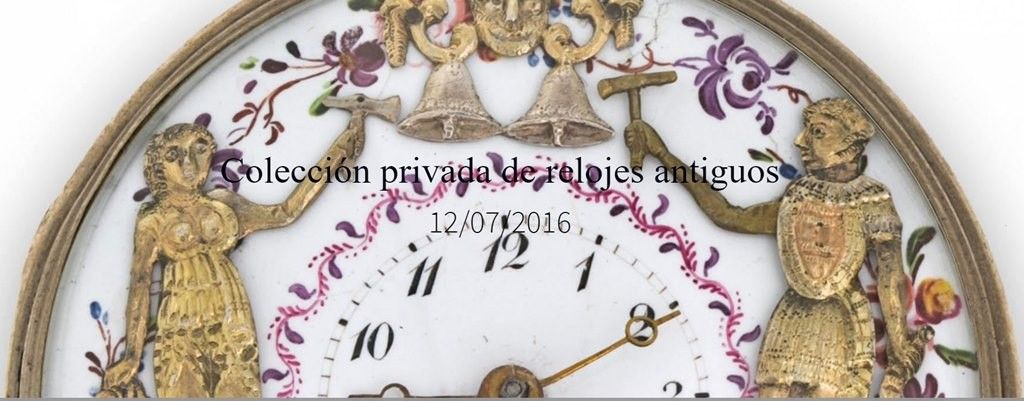
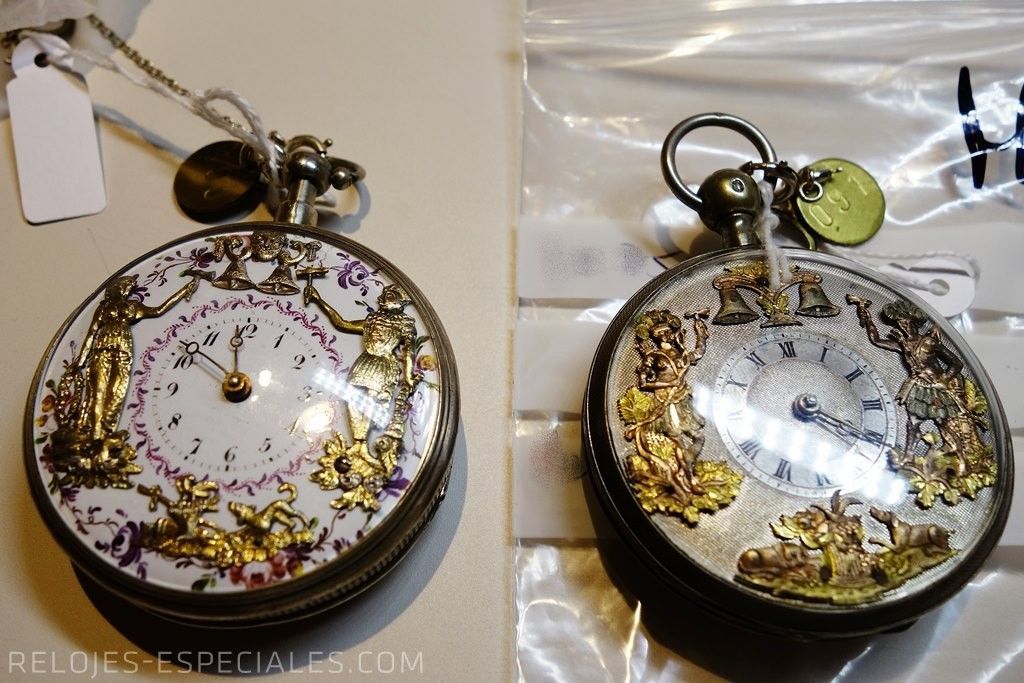
At the end of the century and in a Europe plunged into political chaos, increasingly sumptuous models began to be made. Technical advances go hand in hand with decorative advances, to the point that the beauty of the pieces becomes more important. That is why the materials used are made of enamel, precious stones to chiseled and engraved models. A clear example is this Swiss model made of gold and with a completely enameled dial and which also includes one of the favorite innovations of the time: automata. “Clock with striking and automata signed “Achard à Genève”, around 1750” (lot 37) with a starting price of €4,000 or lot 33 “Clock with striking and automata from the late 18th century” with a starting price of €3,000. At that time, Switzerland acquired an important role in the industry, gradually displacing other watchmaking cities, such as Augsburg or London.
On the other hand, and in this same auction, we highlight more than 1,900 lots that are part of the departments ofBalcliscorresponding to jewelry, oriental and Russian art, antiques, antique and designer furniture, and painting and sculpture ranging from the 14th century to the present.
LaBalclis Auction RoomFounded in 1979, it has more than 30 years of experience and more than 200 works of art sold to the best national museums.
See catalogue: www.balclis.com/es/subastas
Best watch strap | Best annual calendar watch | Best watch winder | Best Black Luxury watch | Best Luxury Watches Men | Best Swiss Luxury Watches Women | Best Men Diamond Watches under 1000 | Best Diamond Watches Women | Best Luxury Dive Watch










