

The word Rolex is like a magical spell that when pronounced produces diverse effects on whoever hears it, from attraction to rejection... and sometimes for the same reasons. It is funny if we take into account that it does not correspond to any semantic meaning. Come on, it doesn't mean anything.
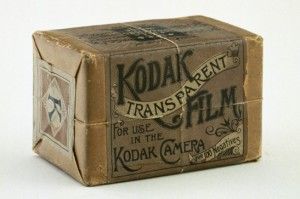

Did you know that it was not the first company with a name like that? In 1908, Hans Wilsdorf, the founder of Rolex, registered in Switzerland and later (1912) in Great Britain a short, sonorous word that meant nothing in any language and that at the same time was pronounceable in all of them, taking as an example George Eastman, inventor of photographic film who had already chosen the word Kodak in 1884 for the same reasons.
Everyone knows that Rolex watches today are Swiss, but did you know that the company was founded in London by a German? Hans Wilsdorf was born in Bavaria before it became part of Germany, and founded Wilsdorf&Davis, which later became Rolex, in 1905 in London because it was the center of the business world at that time. It was not until 1919 that the company's headquarters moved to Geneva.
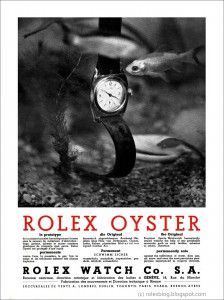 In addition to the many that have been written about the brand, Rolex has published its own books, but did you know that it also published books on caring for tropical fish? In the 1930s, and to draw attention to the waterproofness of his “Oyster” watches, Wilsdorf commissioned aquariums to be installed in the windows of points of sale, inside which he would place his watch… and live fish. The problem was that the sellers had no idea how to care for and feed the animals and they died, resulting in an unattractive spectacle. The books were distributed throughout its commercial network and were obviously for "internal use."
Nowadays almost any brand has ambassadors or athletes who wear their watches. The feat of Mercedes Gleitze swimming across the English Channel in 1928 (it was her eighth attempt, by the way) wearing a waterproof Rolex Oyster is well known, but did you know that in 1930 Rolex gave watches to the Swiss water polo team so that its players could wear their Rolex Oysters during matches? The fact was publicized during the Geneva Water Carnival in the summer of 1930.
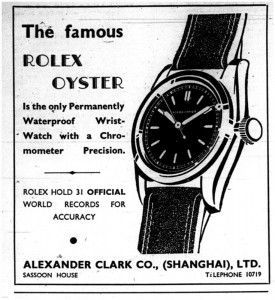
Even its expansion policy was different. Did you know that Rolex opened offices in India and Burma before America? Being as it was located in the heart of the British Empire, it seemed natural to expand in what were still colonies of His Gracious Majesty than in what were no longer, but there was a more compelling reason: at that time (the 1920s) wristwatches were an extravagance for women... and almost mandatory for those who, due to the tropical climate, were not going to wear a vest or coat to keep the much more accepted pocket watch.
We have assumed that Rolex is a very copied brand. In fact, it is estimated that 7 million fake Rolex watches appear on the market every year (seven times the estimated production of authentic watches) but did you know that this is nothing new for Rolex? Already in 1935 Rolex sued a Swiss case manufacturer – Schmitz Frères – for copying its then innovative – and patented – Oyster case.
Best watch strap | Best annual calendar watch | Best watch winder | Best Black Luxury watch | Best Luxury Watches Men | Best Swiss Luxury Watches Women | Best Men Diamond Watches under 1000 | Best Diamond Watches Women | Best Luxury Dive Watch










