

Learn how to manage thermal insulation and protect your home from outside heat and cold, a house with a good barrier against heat, cold and noise will always be more comfortable and will consume less energy. In the desire to save, they ask their children to turn off lights and electrical appliances, but they do not recognize the benefits of good thermal insulation.
Once you finish paying the system installation costs, the energy conserved inside the house will be a real money saver.

But you will not only reduce your expenses, but you will also be contributing to reducing the emission of pollutants into the atmosphere and better using the world's energy resources.
Materials:
- Goggles
- Polyurethane foams or Aluminum Membranes
- Gloves
- Dust mask
- Expanded polystyrene, Mineral fiber,
- Mining wool Cutting support board
- Tables (to walk on the false ceiling)
- Special adhesives for each type of material
Heat losses do not only occur through cracks or openings in doors and windows. Energy is also lost through the materials used in walls and ceilings.
The two main causes of energy loss are inadequate thermal insulation and air leaks.
In one-story homes, the main heat losses are distributed as follows: 25 to 30% through doors and windows, 25 to 30% through roofs and ceilings, 20 to 25% through walls, 3 to 5% through floors and 10% through air renewal (ventilation and infiltration through the cracks of doors, windows, etc.)
The amount of energy you will be able to conserve in your home will depend on several factors.
Be concerned about the following agents: the local climate, the orientation of the building, the size, shape and construction system of your house, the living habits of your family, the type and efficiency of the heating and cooling systems installed, and the type of fuel you use.
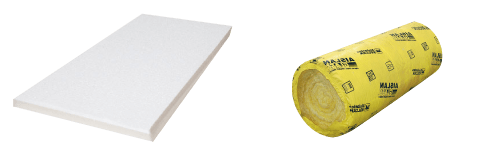
Expanded polystyrene: made from petroleum derivatives, they are made of a compact cellular thermoplastic, with 2% material and 98% air, which gives rise to their high thermal insulation capacity.
They do not damage the ozone layer.
They are light, white, rigid, and practically impermeable to water, which makes them maintain their thermal insulation capacity unchanged over time.
They are resistant to fungi, insects and rodents. Used in construction, they must contain a non-combustible substance that makes them self-extinguishing (non-flammable).
The plates come in 1 to 10 cm. thick and in densities ranging from 10 to 40 kg/m3.

1 identifies the sectors to isolate
Consider the current regulations, the different forms of insulation available, review the technical information of the material you are going to choose and determine, accordingly, the appropriate thickness. The most important thing is to isolate at recommended levels.
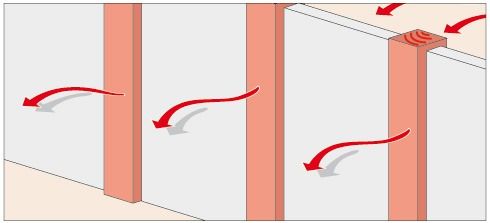
- It is important to avoid and minimize the occurrence of “thermal bridges” since condensation and significant heat losses can occur in these.
- If you are insulating a metal frame building, it is important to know that much more heat moves through metal pillars and beams than through pieces of wood.
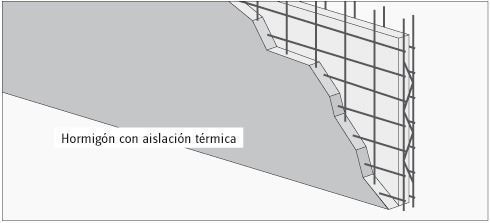
- In the construction of walls, you can use concrete elements with built-in thermal insulation.
- Products come in a variety of forms and can add additional thermal mass to your home, which will help reduce the effects of fluctuating outdoor temperatures.
2 define which insulator to use
- There are no specific insulators against cold or heat, but rather different ways of applying basic thermal insulators.
- All thermal insulators work for both cases. Some types of insulation require professional installation, but others you can install yourself.
- The basic insulators are all very easy to work with and manipulate and can be applied on practically all types of surfaces.
- The most convenient insulating material to use in your homeIt will be determined by the nature of the spaces you plan to insulate: in spaces where you cannot easily introduce the insulating material, prefer rigid, semi-rigid sheets, sprays or reflective systems.
- The most economical way to fill narrow cavities is by injecting polyurethane foam.
- Before choosing a particular insulator, examine its “R-Value.” The “R Value” of thermal insulation will depend on the type of material, its thickness and its density.
- The higher the “R-Value” of a material, the more effective it will be as an insulator. In products of equal thickness, higher density will correspond to a higher “R-Value.”
3 calculate the thermal insulation you need
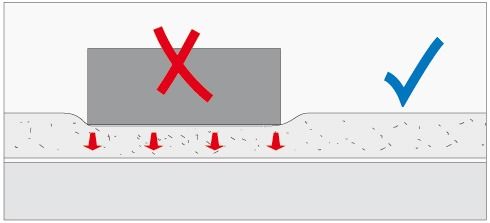
- It is important to know that different insulating materials can also be used mixed together. You can add, for example, sheet or roll insulation over loose insulation or vice versa, but be careful not to put higher density materials (weight per unit volume) on top of lower density materials as this would easily compress them, thus reducing their thickness and “R-Value.”

4 Apply the chosen insulation
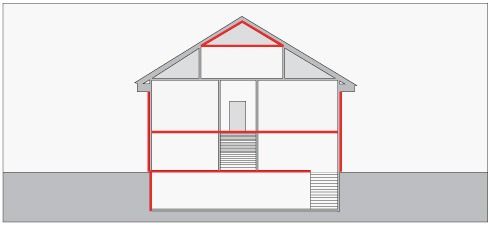
- Insulate attics, under floors located on unheated areas, hot basement walls, unventilated crawl spaces, edges of inclined slabs, and exterior walls.

- It is necessary that the thermal insulating material or the specified construction solution continuously covers the entire surface of the ceiling and extends over the chains and slabs, so that these are also thermally insulated and do not constitute significant thermal bridges.
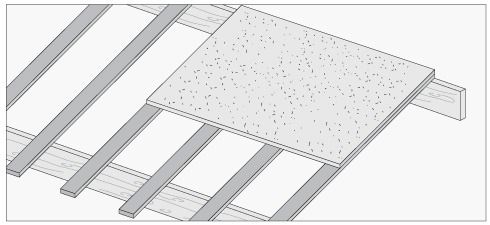
- The chains or ceiling joists must not interrupt the thermal insulation. This should be placed over them or covering them.

- For best results, beams, foundations and the edges of floor structures should be insulated during the construction of a house.
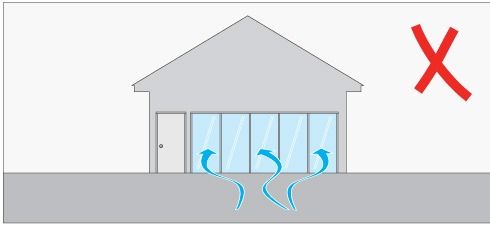
- Glass is a material with high “thermal transmittance” (thermal flow that passes through an area due to temperature differences between the environments located on each side), that is, a lot of energy is lost through them.
- For this reason, avoid oversizing them, especially in areas with greater energy loss

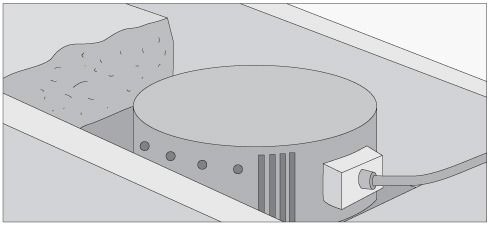
- Never install insulation over light fixtures that pass through the ceiling (especially dichroic bulbs), distribution boxes or chimneys.
- Cut the insulation a few centimeters from the appliance.
- Only if the lamps are mounted under the ceiling can you cover the space above them.
Get more information at perfectionidea.com and on our Facebook for more. Learn how to manage thermal insulation and protect your home from the cold and heat outside.
- Tags
- Tips
Popular Content
How to make a rocket stove for outdoors
Cardboard Drawers Lined with Jeans
Change the facade of your home with simple steps!
Latest Articles
How to make a refrigerator out of insulating material: Practical step-by-step guide
How to make a Kilim for the Home: Complete Step by Step Guide
How to protect ourselves from accidents in our workplace: Complete prevention and safety guide
Related Content
Tips to avoid moths and humidity in clothes in the closet
Factory a sliding door for an interior door
Know These Bad Driving Habits That Destroy Your Car
Learn how to install stone cladding
Creative Home Decor Ideas to Transform Every Space
Refreshing your home starts with smart design choices that combine comfort, personality, and functionality. Whether you want to modernize a small apartment, upgrade outdoor areas, or create cozy rustic interiors, these trending ideas can completely change the atmosphere of your space.
Outdoor Spaces That Increase Style and Functionality
Outdoor living continues to dominate modern home trends. Homeowners are increasingly investing in practical entertainment zones inspired by these BBQ shed ideas, which create the perfect setup for gatherings and weekend cooking sessions.
First impressions also matter when designing exteriors. Elegant farm entrance gates design ideas help properties stand out while improving privacy and curb appeal.
Compact living solutions are also gaining popularity. These inspiring 16x40 shed house interior design ideas show how smaller spaces can still feel luxurious and functional.
To enhance patios and entryways, homeowners are adding stylish protection with these creative porch awning exterior DIY ideas that blend aesthetics with practicality.
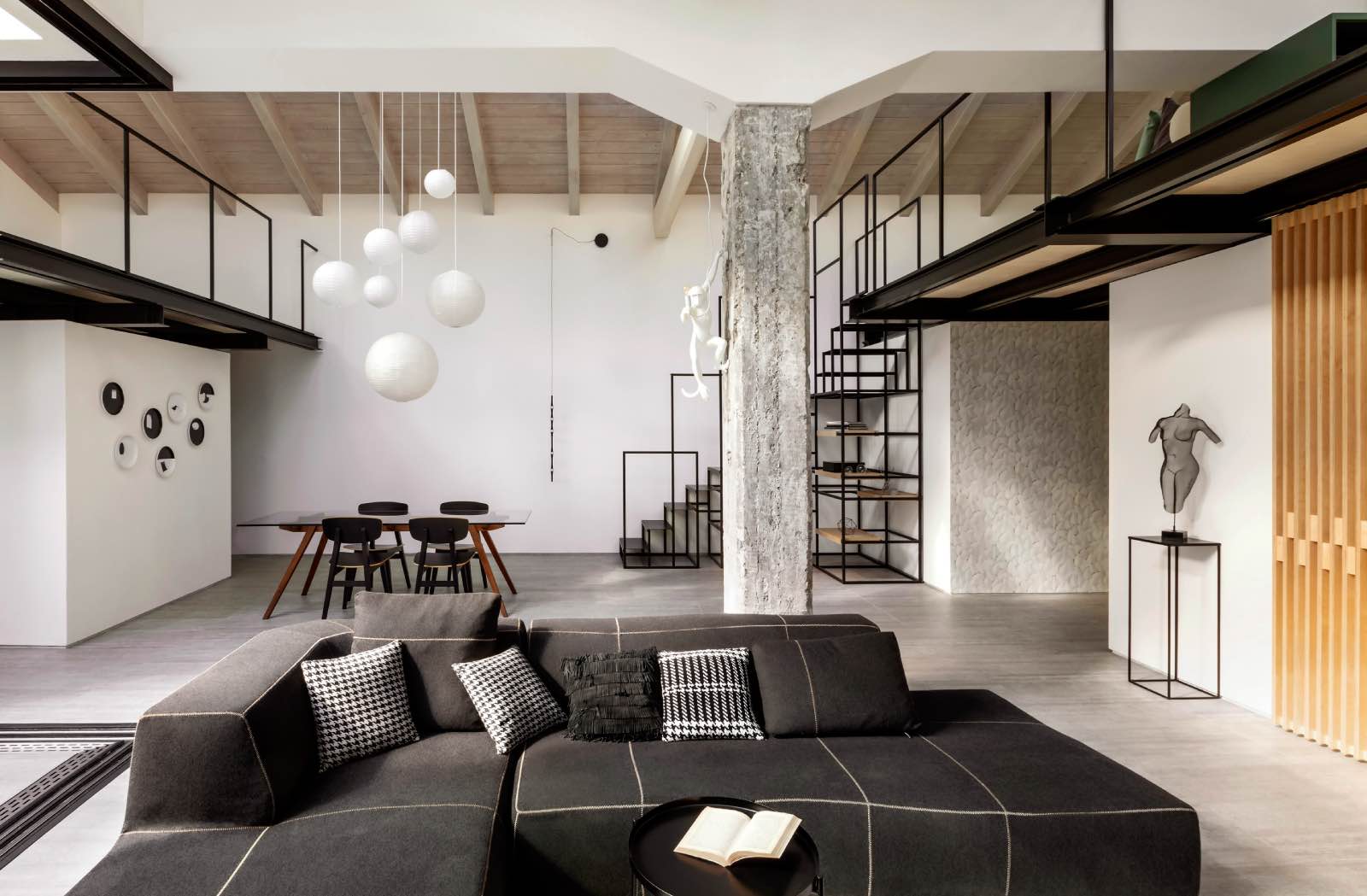
Rustic and Cozy Interior Design Trends
Warm and natural interiors remain timeless. These charming rustic decor ideas combine wood textures, vintage accents, and earthy tones to create welcoming spaces.
Bedrooms are becoming more personalized with curated wall arrangements. Many homeowners use these stylish picture wall ideas for bedroom spaces to display memories and artwork creatively.
Textured wall treatments are another major trend. Installing a board and batten wall adds architectural character while keeping interiors elegant and modern.
Similarly, bold accent wall ideas can instantly transform plain rooms into eye-catching focal points without requiring a full renovation.
Smart Kitchen and Organization Inspiration
Functional kitchens are essential for modern homes. These practical kitchen wall cabinet ideas maximize storage while maintaining a clean and stylish appearance.
Organization also starts at the entrance. Well-designed mud room ideas help families keep shoes, coats, and daily essentials neatly arranged.
Colorful and Personalized Home Styling
Vibrant interiors are becoming increasingly popular thanks to playful dopamine decor ideas that use bright colors and joyful accessories to improve mood and energy.
Gallery walls also continue to evolve as a major decorative feature. These trendy gallery wall inspiration ideas offer creative ways to combine prints, photos, and statement art.
Young renters and new homeowners are especially embracing these stylish first apartment aesthetic ideas to create sophisticated interiors on a budget.
Finally, selecting the right shades can dramatically influence any room’s atmosphere. These modern trendy color ideas help homeowners choose palettes that feel fresh, elegant, and timeless.
Final Thoughts
From rustic charm and colorful interiors to outdoor entertaining areas and functional storage solutions, today’s home decor trends focus on creating spaces that feel both beautiful and livable. By combining smart layouts, modern textures, and personalized decorative elements, any home can become more stylish, comfortable, and inspiring.










