

سئول — ۲۰–۲۱ مارس ۲۰۲۶ — ابرگروه کیپاپ کره جنوبی BTS یک کنسرت بازگشت تاریخی برگزار کرد که عملاً مرکز سئول را تعطیل کرد، توجه جهانی را جلب نمود و یکی از قدرتمندترین پدیدههای فرهنگی موسیقی را دوباره برافروخت.
اجرای زنده رایگان در میدان گوانگهوامون، که در پسزمینه تاریخی کاخ گیونگبوکگونگ برگزار شد، اولین اجرای زنده کامل گروه پس از بیش از سه سال وقفه برای خدمت سربازی اجباری بود. این رویداد به صورت زنده در نتفلیکس برای هواداران در ۱۹۰ کشور پخش شد و دامنه نفوذ BTS را سالها پس از اوج سلطه آن تثبیت کرد.
Get Lifetime Access to Top AI Tools
Find Bleeding Edge Business Software at Scandalous Prices on Appsumo.

این لحظه بیش از یک کنسرت بود؛ یک رویداد ملی بود که دهها هزار هوادار را جذب کرد، عملیات گسترده امنیتی شهری را بسیج نمود و فصل بعدی جهانی BTS را نوید داد. در اینجا نگاهی جامع به آنچه اتفاق افتاد، دلیل اهمیت آن و واکنش جهان میاندازیم.

شهری دگرگونشده: منطقه مرکزی سئول تعطیل شد
مکان و لجستیک
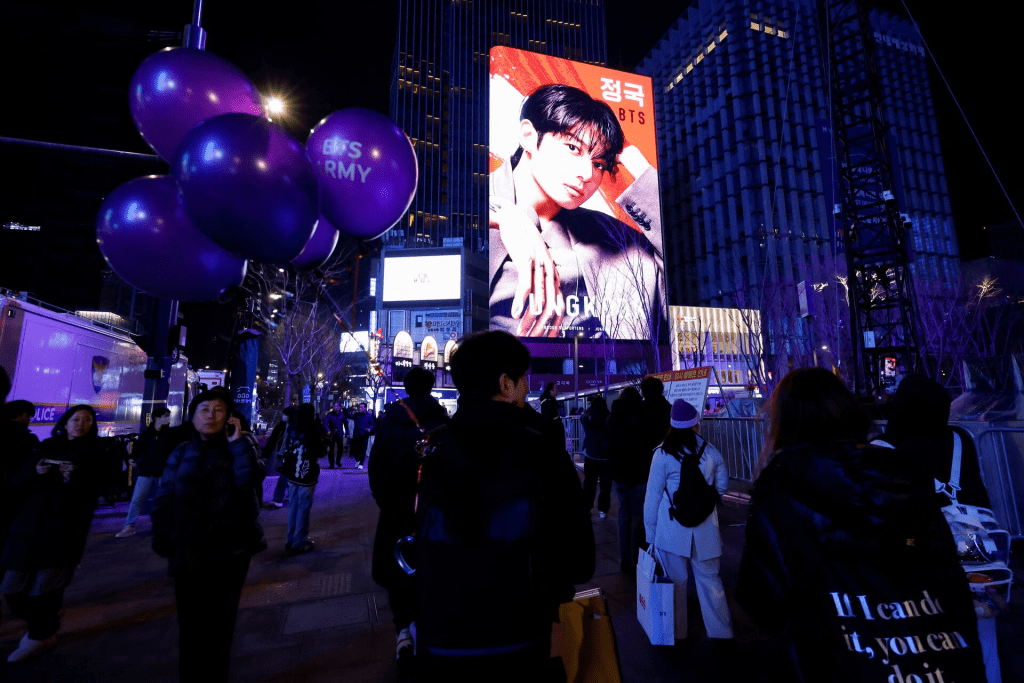
این کنسرت در میدان گوانگهوامون برگزار شد، که قلب فرهنگی و مدنی سئول است و اغلب میزبان جشنها و تظاهرات ملی است. خیابانهای اطراف سجونگدائرو به طور موقت بسته شدند، ایستگاههای مترو مانند گوانگهوامون، شهرداری و گیونگبوکگونگ در ساعات اوج ترافیک خدمات خود را متوقف کردند و مقامات هزاران پرسنل را برای اطمینان از ایمنی و کنترل جمعیت مستقر کردند.
مقامات سئول انتظار داشتند تا ۲۶۰٬۰۰۰ شرکتکننده در مناطق تماشا از گوانگهوامون تا میدان شهرداری — به طول تقریباً ۱ کیلومتر — حضور یابند. اما به دلیل محدودیتهای کنترل جمعیت و نگرانیهای آبوهوایی، تعداد دارندگان بلیت رسمی بین ۴۰٬۰۰۰ تا ۴۲٬۰۰۰ نفر بود که بسیار کمتر از پیشبینیهای اولیه بود.
نگاهی گذرا به رویداد:
| عنصر | جزئیات |
|---|---|
| نام رویداد | BTS The Comeback Live |
| مکان | میدان گوانگهوامون، سئول |
| تاریخ | ۲۱ مارس ۲۰۲۶ |
| پخش زنده | نتفلیکس — ۱۹۰ کشور |
| تخمین حضور | ~۴۰,۰۰۰ نفر حضوری |
| استقرار امنیتی | ~۸,۲۰۰ نفر پرسنل + پلیس |
| سرویسهای بهداشتی نصبشده | ~۲,۵۵۱ واحد |
ترانهها، صحنه و موفقیت جهانی استریم
BTS ترکیبی از قطعات آلبوم تازه منتشر شده آریرانگ و همچنین ترانههای کلاسیکی که سالهای اولیه آنها را تعریف میکردند اجرا کردند. این ترانهها شامل قطعات پرانرژی مانند «بدی تو بدی» و «هولیگان»، موردعلاقههای هواداران مانند «باتر» و «داینامایت» و یک فینال احساسی با «میکروکاسموس» بود.
این کنسرت به صورت زنده در نتفلیکس پخش شد و به میلیونها نفر در سراسر جهان اجازه داد تا به طور مجازی در آن شرکت کنند. برخی منابع تخمین میزنند که تا ۳۰۰ میلیون بیننده در سطح جهانی آن را تماشا کردند و این اجرا را به یکی از پربینندهترین پخشهای زنده موسیقی سال تبدیل کردند.
بازگشت BTS از وقفه: دوران «آریرانگ»
BTS از سال ۲۰۲۲ و پس از اتمام خدمت سربازی اجباری همه اعضا — که یک الزام سخت برای مردان کرهجنوبی است — در یک وقفه طولانیمدت به سر میبرد. بازگشت گروه با یک اعلام زنده در ویورس در سال ۲۰۲۵ و تأیید موسیقی جدید و یک تور جهانی آغاز شد.
آخرین آلبوم استودیویی آنها، آریرانگ، که در ۲۰ مارس ۲۰۲۶ منتشر شد، رکوردها را در پلتفرمهای استریم و چارتها شکست و تقریباً ۴ میلیون فروش در اولین روز را ثبت کرد. قطعات آلبوم آریرانگ چارتهای جهانی اسپاتیفای و اپل میوزیک را در اختیار گرفتند و آن را به یکی از تأثیرگذارترین انتشارات سال تبدیل کردند.

یک تور جهانی و مراحل جدید پیش رو
کنسرت سئول یک نمایش منفرد نبود. این رویداد به عنوان آغازی برای تور جهانی آریِرنگ BTS (۲۰۲۷–۲۰۲۶) عمل کرد که ۸۲ اجرا در ۳۴ شهر و ۲۳ کشور را از آوریل ۲۰۲۶ تا مارس ۲۰۲۷ در بر خواهد گرفت. نقاط برجسته شامل مکانهای اصلی در آسیا، اروپا، آمریکای شمالی، آمریکای جنوبی و اقیانوسیه است.
پیشبینی میشود این تور بیش از ۱.۸ میلیارد دلار درآمد ترکیبی از فروش بلیت، کالاهای تبلیغاتی و فعالیتهای اقتصادی مرتبط ایجاد کند و BTS را در زمره پردرآمدترین اجراهای زنده تاریخ معاصر قرار دهد.
واکنش عمومی: جشن و جنجال
اتحاد هواداران و اشتیاق جهانی
در سراسر رسانههای اجتماعی و جوامع هواداری در جهان، بازگشت BTS با شور و اشتیاق جشن گرفته شد. هواداران طنین عاطفی عمیقی بهویژه با اجراهایی که جلوه پاپ مدرن را با موتیفهای سنتی کرهای در هم آمیخته بود — موضوعی که در خود آلبوم آریِرنگ تجسم یافته — ابراز کردند.
پیامهای هواداران بینالمللی بر حس همبستگی جهانی تأکید داشتند و به سفر از کشورهایی مانند آلمان، مکزیک و ژاپن برای تماشای بازگشت اشاره کردند.
انتقادات محلی و فشار عمومی
همه واکنشها مثبت نبود. برخی ساکنان سئول و مفسران به دلیل اختلالات ناشی از بستهشدن جادهها، وقفه در حملونقل و تدابیر امنیتی سنگین، بهویژه با توجه به حضور حضوری کمتر از حد انتظار، انتقاد کردند. این صداها بر ناراحتی شهروندان عادی و کسبوکارهای محلی تأکید داشتند.
بحثها به انجمنهای آنلاین کشیده شد که در آن منتقدان درباره توجیهپذیر بودن رویداد یا افراط در مصرف منابع مجادله کردند.
اهمیت فرهنگی و میراث
بازگشت BTS بیش از یک داستان موفقیت تجاری است؛ این رویداد نشانگر یک نقطه عطف فرهنگی برای کره جنوبی و فرهنگ پاپ جهانی است.
- غرور ملی: میزبانی یک رویداد موسیقی جهانی پخششده در قلب سئول، میراث فرهنگی کره و نفوذ مدرن سرگرمی آن را در کانون توجه قرار داد.
- تأثیر اقتصادی: فراتر از درآمد موسیقی، این رویداد گردشگری بینالمللی، هزینههای خردهفروشی و سرمایهگذاری رسانهای را به همراه داشت.
- پل فرهنگی: با تلفیق تأثیرات موسیقی سنتی کره با پاپ مدرن، BTS هویت خود را به عنوان سفیر فرهنگی مجدداً تأیید کرد.
جمعبندی نهایی
کنسرت بازگشت BTS تنها ترافیک سئول را متوقف نکرد — بلکه بینندگان جهانی را برانگیخت، نسلهای مختلف هواداران را به هم پیوند داد و صحنه را برای آنچه ممکن است به یکی از موفقترین تورهای جهانی تاریخ تبدیل شود، آماده کرد. همانطور که آنها با محوریت آلبوم آریرنگ برنامهای بینالمللی و پرچالش را آغاز میکنند، BTS در حال شکلدادن به دورهای فراتر از پیروزیهای پیشین خود است و ثابت میکند که حتی پس از سالها دوری از کانون توجه، تأثیر آنها بر موسیقی جهانی همچنان عمیق است.
نکات کلیدی: بازگشت BTS در یک نگاه
- رویداد: BTS The Comeback Live | کنسرت آریرنگ
- مکان: میدان گوانگهوامون، سئول
- پخش زنده: نتفلیکس (۱۹۰ کشور)
- آلبوم: آریرنگ (منتشر شده در ۲۰ مارس ۲۰۲۶)
- تور جهانی: ۸۲ اجرا در ۳۴ شهر (۲۰۲۶–۲۰۲۷)
- تخمین تعداد بینندگان جهانی: تا ۳۰۰ میلیون (نتفلیکس)
بعدی را بخوانید - سبک زندگی
کنسرت سئول BTS | تور جهانی BTS | شوک هواداران به صندوق بازنشستگی | پاپ مارت و سونی | فروش آریرنگ BTS
Home Decor Shop
 Acacia frida deluxe solid wood bed frame |
Bedroom bench |
Bed chest drawers |
Lingerie dresser |
Frame base |
Mirror with jewelry storage |
30 Bathroom Vanity |
Memory foam queen mattress |
Mattresses for back pain |
Nightstand set of 2 |
Grand Goldman Shop |
Civil Lawyer
Deutschland Trikot WM 2026
Acacia frida deluxe solid wood bed frame |
Bedroom bench |
Bed chest drawers |
Lingerie dresser |
Frame base |
Mirror with jewelry storage |
30 Bathroom Vanity |
Memory foam queen mattress |
Mattresses for back pain |
Nightstand set of 2 |
Grand Goldman Shop |
Civil Lawyer
Deutschland Trikot WM 2026










