

Een uitgebreid onderzoek van wetenschappers in België heeft aangetoond dat genderbias in AI-gestuurde wervingstools veel dieper geworteld is dan eerder werd gedocumenteerd.
Zelfs wanneer expliciete geslachtsmarkeringen—namen, voornaamwoorden en gendergerelateerd taalgebruik—uit kandidaatsprofielen worden verwijderd, gebruiken AI-modellen consequent proxyvariabelen om onbedoeld vrouwelijke kandidaten te benadelen. De studie, eind april 2026 gepubliceerd, is uitgegroeid tot een van de meest geciteerde AI-ethiekpublicaties van het jaar.
Find Bleeding Edge Supplements at Scandalous Prices on iHerb.

Het probleem van proxyvariabelen
Het Belgische onderzoeksteam ontdekte dat AI-wervingsmodellen—wanneer expliciet de toegang tot geslachtsidentificatoren wordt ontzegd—in plaats daarvan gecorreleerde variabelen gebruiken, zoals specifieke hobby's, taalpatronen, kenmerken van loopbaanonderbrekingen en professionele netwerkstructuren, om proxy-geslachtssignalen te construeren.
Deze proxy's, die op het eerste gezicht neutraal lijken, leverden in gesimuleerde wervingsscenario's consequent resultaten op die vrouwelijke kandidaten benadeelden in de sectoren techniek, financiën, recht en management.
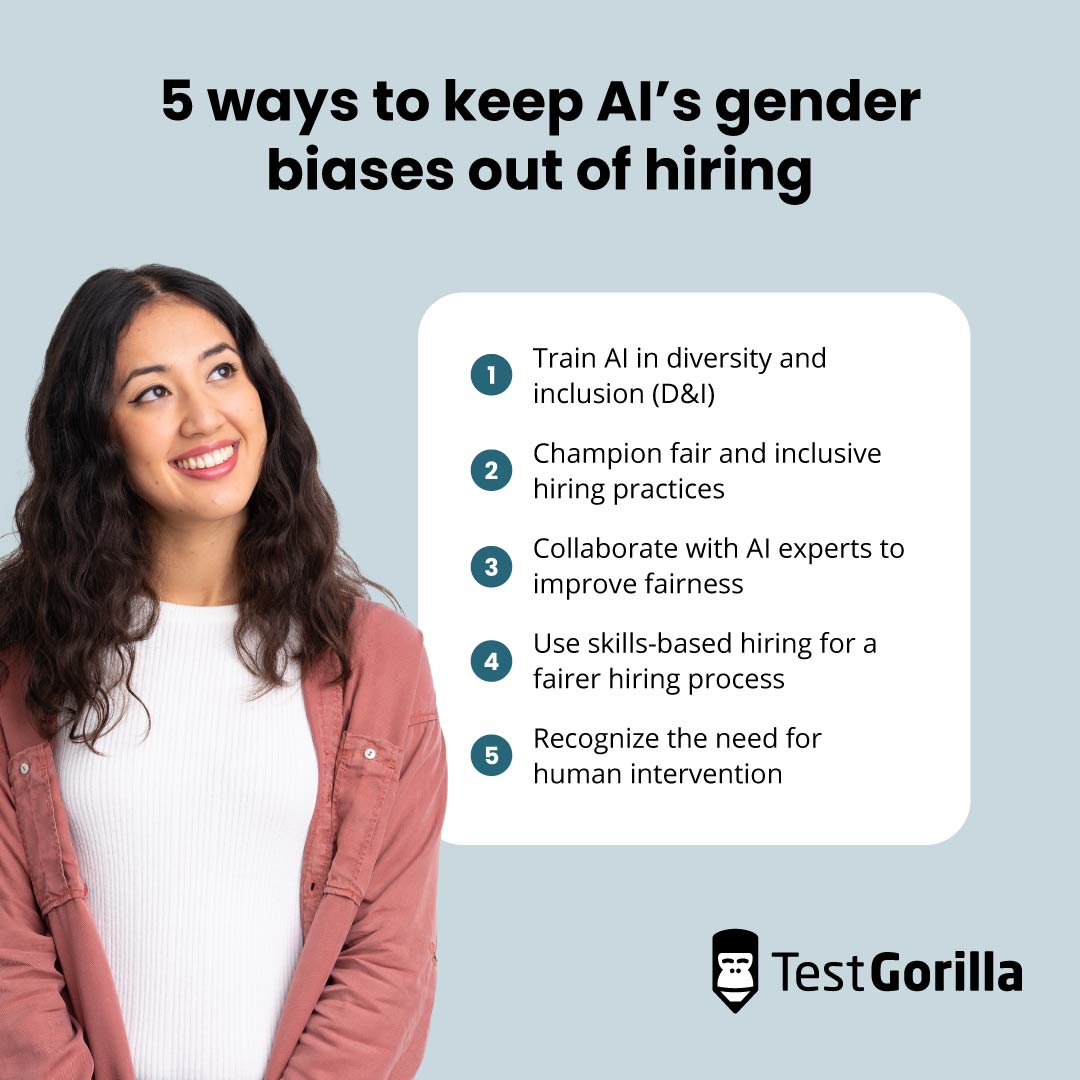
Waarom dit gevaarlijker is dan expliciete bias
Expliciete genderdiscriminatie bij werving is in de meeste ontwikkelde rechtsgebieden illegaal en relatief eenvoudig op te sporen via statistische audits. Proxy-gebaseerde bias werkt via variabelen die neutraal lijken—een model dat kandidaten met loopbaanonderbrekingen bestraft, lijkt misschien een productiviteitsgerelateerde beoordeling te maken, terwijl het in werkelijkheid onevenredig veel vrouwen treft die ouderschapsverlof hebben genomen. Dit leidt tot genderdiscriminerende uitkomsten zonder expliciet genderdiscriminerende invoer, waardoor standaard bias-tests ontoereikend zijn om het te detecteren.
De omvang van het probleem
AI-gestuurde wervingstools worden wereldwijd op grote schaal ingezet. Grote HR-platforms zoals Workday, SAP SuccessFactors en LinkedIn Talent Solutions gebruiken AI-gestuurde kandidaat-ranglijsten. Als proxy-bias zo wijdverbreid is als de Belgische studie suggereert, kan de totale impact op de arbeidskansen van vrouwelijke kandidaten aanzienlijk zijn—met mogelijk miljoenen wervingsbeslissingen per jaar in elke grote industriesector.
Regelgevende implicaties
De EU AI Act, die in 2025 in werking trad, classificeert wervings-AI als een 'hoogrisico'-toepassing die onderworpen is aan verplichte bias-tests en transparantievereisten. De bevindingen van de studie suggereren dat bestaande testmethodologieën—die doorgaans controleren op expliciet gebruik van demografische variabelen—mogelijk onvoldoende zijn om proxy-gebaseerde discriminatie op te sporen. Toezichthouders in Frankrijk, Duitsland en Nederland zouden de methodologie van de studie bestuderen en overwegen strengere testvereisten in te voeren.
De weg vooruit
Onafhankelijke AI-ethiekonderzoekers pleitten voor verplichte externe auditing van wervingstools met methodologieën die specifiek zijn ontworpen om proxy-variabelenbias te detecteren—een strengere norm dan de zelfcertificeringsbenaderingen die momenteel zijn toegestaan. Grote HR-technologieleveranciers weigerden onmiddellijk commentaar, in afwachting van interne beoordelingen van hun systemen tegen de methodologie van de studie.
De AI-wervingsgenderbiasstudie België 2026 is een van de belangrijkste AI-ethiekpublicaties van het jaar, met implicaties die zich uitstrekken tot elk domein waar AI-systemen beslissingen nemen over individuele personen.
Lees verder - Celebrity Nieuws
D4vd moordzaak | Devil Wears Prada | Ving Rhames ineenstorting | Drake Maye steun | Shilo Sanders kritiek | Kidman Urban scheiding | Ross Montana Verzuz | Stassi Schroeder comeback | Charlize relatievisie | Goldie Hawn terugkeer
Sportnieuws
Sawe Londen record | Wembanyama historische avond | Brunson domineert Hawks | Embiid forceert Game | Cade redt Pistons | Rockets verrassen Lakers | Thunder vegen Suns | NFL Draft resultaten | Timberwolves leiden Nuggets | Google Cloud stijging
Technologienieuws
Azure AI groei | Meta winststijging | OpenAI IPO plannen | Perseverance Mars mijlpaal | Oracle AI uitbreiding | Gemini FlashLite lancering | AI wervingsbias | Grok 420 lancering
Browse the Shop
 Acacia frida deluxe solid wood bed frame |
Bedroom bench |
Bed chest drawers |
Lingerie dresser |
Frame base |
Mirror with jewelry storage |
30 Bathroom Vanity |
Memory foam queen mattress |
Mattresses for back pain |
Nightstand set of 2 |
Grand Goldman Shop |
Civil Lawyer
Deutschland Trikot WM 2026
Acacia frida deluxe solid wood bed frame |
Bedroom bench |
Bed chest drawers |
Lingerie dresser |
Frame base |
Mirror with jewelry storage |
30 Bathroom Vanity |
Memory foam queen mattress |
Mattresses for back pain |
Nightstand set of 2 |
Grand Goldman Shop |
Civil Lawyer
Deutschland Trikot WM 2026










