


Baltic Birch Constructed Benches and Tables with Spiral Cone Legs 5 feet shown above, with over a thousand pounds of gravel, uses 1/4 as much tree to create, but has the comparable strength of a 2 inch thick solid wood slab.
The panel weighs less than 12 lbs and is a structural beast!

These seats are also sold on the website; SpiralConeLegs.com.
Step 1: Bench and instrument table


The bench panels are made from 1/4″ Baltic birch plywood, 2 pound density EPS foam, and wood glue.
- We make the benches in lengths from 3 feet to 8 feet. I use the same 1/4″ layer for each but a different thickness foam, this gives me a thicker, stronger panel for each progressive bench length, simply by adding more foam.
- I use a notched trowel, which is quick and that is important as the adhesive needs to spread and the panel to assemble before the glue dries.
- You can stack a bunch of heavy flat things on top to hold it down while the glue dries, or make some kind of holding fixture, my latest is 2ft x 8ft, made 6 inches thick and uses clamps
- I also built tabletops of similar construction but with a solid 1″ perimeter from the same birch plywood, which gives the table a very sturdy, very nice looking plywood grain edge.
- I also used strips of the same 1/4″ plywood used for the skin, as ribs glued in place in place of the foam core, to excellent effect. This eliminates the expense of foam and makes use of what would otherwise be pieces of wood, and requires a small fraction of the wood glue compared to the foam version.
As for proportions, you can certainly make very useful panels with less wood than those described above.
I'm not looking for the lightest most efficient panels here, I want strong, sturdy furniture, I just don't want to waste the center of the beam with structural material where it has no structural value.
The 4x5′ dining tables weigh over 40 lbs, which is about 80 lbs less than they would weigh if they were made of solid plywood.
Step 2: Cut it into any shape you want


- These panels cut quite well with all types of woodworking tools. I cut the final shape with a router, I'm not going to teach you how to do it, you'll probably just learn bad habits. Here is the one that was used.
- You just take the shape you want, and I screw it into place, I use a printout of a CAD drawing.
- I cut a template from a piece of plywood. I then use that template to cut the benches to a certain shape and length. The template is also a drilling pattern for the 12 leg mounting points. If it's a single bench, then I use that nifty urethane guide right on the panel.
- The longer, thicker benches are too thick for the taller bits I've found so far, so I have to cut from one side, then move the jig to the other side, and then cut that side. I do this by using the holes in the legs to register the template from either side.
- We have two forms, and we call them Cells ofdog blood and bone. Use your imagination and make any shape/length you want.
As for the table panels, the shape is determined by the perimeter frame of the solid plywood, so simply trim the skins down to the frame with a router and pattern bit or with a circular saw.
Step 3: Equipment


I pondered the equipment question for years before coming up with the next solution and was finally able to move on to the banks.
- I finally thought of something that uses off-platform components, allows me freedom of placement, meaning I can place the equipment wherever I want after the panel is already made, and leaves me with a 1/4-20 female steel machine thread.
- Drill 5/16″ holes through the panel. I make a wide flange T-nut on each one from the top side, and on each of these from the bottom side, I install a threaded bolt and a welded nut, previously welded. I glue them in place and tighten them with a screw and screwdriver until I feel the panel start to distort inward around the weld nut, then I remove the screw and I'm left with a 1/2″ internal thread of steel, which of course is wonderful.
This, of course, only works if you can live with these T-nuts exposed at the top of the panel, as is the case here with the benches where they will be hidden under the upholstery.
This isn't necessarily as good for a table and its top side is exposed, so I've been doing that with a solid wood insert, and then I use a threaded insert or you can just screw directly into the wood.
Step 4: Upholstery


My better half is in charge of the upholstery, sorry I don't have process pictures here.
I can tell you that the upholstery uses 1″ high density heavy duty polyurethane foam, polyester and heavy duty upholstery fabric. They are boxed without welding and stapled using standard techniques.
We use the thin but firm foam because we want a not so thick streamlined look.
Step 5: What about the legs?
Of course, we use our own designer spiral cone legs that we make and sell, but you can use or do whatever you want with these panels.
This article isn't so much about the legs, but we have this video showing how to make the legs, so I'll include it here.
Step 6: More photos and a little proselytizing


When IWhen I first encountered stressed skin panels, I was immediately struck by the lack of broader use in our built environment.
We live in a world of flat panels, a plurality of which would be better off constructed as stressed skin panels.
The walls of our homes, for example, would be of a much higher quality in every way if they were made that way.
The stressed skin panel is a marvel of efficiency, and should be throughout our manufactured landscape.
Get more information at perfectionidea.com and on our Facebook for more Benches and Tables Constructed of Baltic Birch with Spiral Cone Legs.
Popular Content
How to make a rocket stove for outdoors
Cardboard Drawers Lined with Jeans
Ideas and Advantages of Window Grilles for the Home!
Latest Articles
How to make a refrigerator out of insulating material: Practical step-by-step guide
How to make a Kilim for the Home: Complete Step by Step Guide
How to protect ourselves from accidents in our workplace: Complete prevention and safety guide
Related Content
Guide to Build an Arduino-Based Lightsaber: With Light and Sound Effects
Pots with Drip Paint
Pergolas: Uses and Manufacturing Materials and Covers!
Modern Recycled Log Lounger!
Creative Home Decor Ideas to Transform Every Space
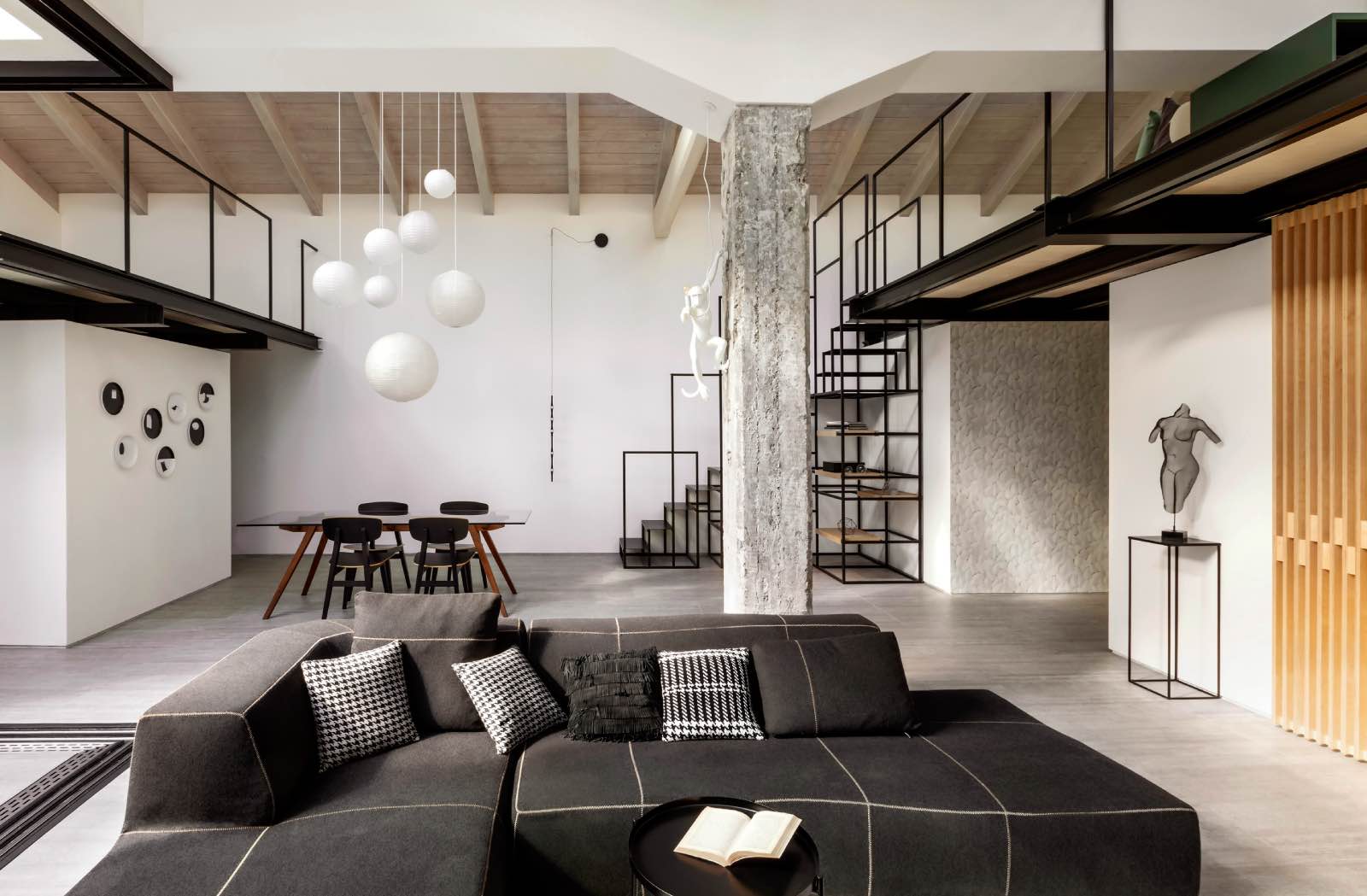
Refreshing your home starts with smart design choices that combine comfort, personality, and functionality. Whether you want to modernize a small apartment, upgrade outdoor areas, or create cozy rustic interiors, these trending ideas can completely change the atmosphere of your space.
Outdoor Spaces That Increase Style and Functionality
Outdoor living continues to dominate modern home trends. Homeowners are increasingly investing in practical entertainment zones inspired by these BBQ shed ideas, which create the perfect setup for gatherings and weekend cooking sessions.
First impressions also matter when designing exteriors. Elegant farm entrance gates design ideas help properties stand out while improving privacy and curb appeal.
Compact living solutions are also gaining popularity. These inspiring 16x40 shed house interior design ideas show how smaller spaces can still feel luxurious and functional.
To enhance patios and entryways, homeowners are adding stylish protection with these creative porch awning exterior DIY ideas that blend aesthetics with practicality.
Rustic and Cozy Interior Design Trends
Warm and natural interiors remain timeless. These charming rustic decor ideas combine wood textures, vintage accents, and earthy tones to create welcoming spaces.
Bedrooms are becoming more personalized with curated wall arrangements. Many homeowners use these stylish picture wall ideas for bedroom spaces to display memories and artwork creatively.
Textured wall treatments are another major trend. Installing a board and batten wall adds architectural character while keeping interiors elegant and modern.
Similarly, bold accent wall ideas can instantly transform plain rooms into eye-catching focal points without requiring a full renovation.
Smart Kitchen and Organization Inspiration
Functional kitchens are essential for modern homes. These practical kitchen wall cabinet ideas maximize storage while maintaining a clean and stylish appearance.
Organization also starts at the entrance. Well-designed mud room ideas help families keep shoes, coats, and daily essentials neatly arranged.
Colorful and Personalized Home Styling
Vibrant interiors are becoming increasingly popular thanks to playful dopamine decor ideas that use bright colors and joyful accessories to improve mood and energy.
Gallery walls also continue to evolve as a major decorative feature. These trendy gallery wall inspiration ideas offer creative ways to combine prints, photos, and statement art.
Young renters and new homeowners are especially embracing these stylish first apartment aesthetic ideas to create sophisticated interiors on a budget.
Finally, selecting the right shades can dramatically influence any room’s atmosphere. These modern trendy color ideas help homeowners choose palettes that feel fresh, elegant, and timeless.
Final Thoughts
From rustic charm and colorful interiors to outdoor entertaining areas and functional storage solutions, today’s home decor trends focus on creating spaces that feel both beautiful and livable. By combining smart layouts, modern textures, and personalized decorative elements, any home can become more stylish, comfortable, and inspiring.










