


Learn how to install fiber cement siding in simple steps. Currently, this type of siding is highly recommended for exterior walls not only because of its usefulness but also because it is quite practical. The fiber cement siding simulates a board, both in its size and in the marked grain.
This type of material must be screwed, so it can be easily placed on a wooden, brick or cement wall. Although if this is the case with these last two, you must form a structure with upright feet and a base, with sticks or galvanized steel.

Learn how to cover with fiber cement siding in simple steps.

Tools to use:
- · Bubble level
- · Measuring tape
- · Lead
- · Electric drill
- · Angle grinder
- · Brush
- · Wrench with socket
- · Drills
Materials to use:
- · Hexagonal lag screw 1/4X3 1/2″ ZBR 10 units
- · Corner connection profile, 3
- · Base drip cutter profile, 4
- · Window drip cutter profile, 5
- · Eaves profile, 4
- · Pine boards dimensioned 2×2″, 30
- · Acrylic sealant with fungicide, 2
- · Fiber cement siding boards, 10
- · Opaque walnut fiber cement dye 4 lt
- · Zinc-plated cardboard plasterboard screws with drill tip 1 1/4″
- · Smooth felt
Procedure
#1 Fix the slabs
At the bottom and top edge you must fix sticks that mark the beginning and end of the installation. Mark the location of the fixings to the wall on the sticks, it has to be approximately at a distance of 50 cm. Drill that mark into the wall and drill the brick.
Place a concrete plug and secure the sticks with lag screws that are tightened with the socket wrench.

#2 Set the corners
You must fix the right feet of all the corners, at the wall meeting (vertex) you have to fix 2 right feet together. It is the same fixing procedure: mark the location of the fixings to the wall on the sticks, it has to be approximately at a distance of 50 cm. Transfer that mark to the wall with a drill bit and drill the brick. Place a concrete plug and secure the poles with lag screws that are tightened with the socket wrench.

#3 Framing the windows
Around the windows put uprights and horizontal sticks to frame them.
It is the same fixing procedure: mark the location of the fixings to the wall on the sticks, it has to be approximately at a distance of 50 cm. Transfer that mark to the wall with a drill bit and drill the brick. Place a concrete plug and secure the poles with lag screws that are tightened with the socket wrench.

#4 Right feet
After placing all the sticks in the corners and window, you must place the rest of the straight feet that can go to the entire height or on the windowsill.
The distance between each one cannot be greater than 60 cm, but it must also be done according to the overlap of the siding boards, since on each edge of the board, and meeting the next one, there must be a right foot where the siding can be screwed.
It is the same fixing procedure: mark the location of the fixings to the wall on the sticks, it has to be approximately at a distance of 50 cm. Transfer that mark to the wall with a drill bit and drill the brick. Place a concrete plug and secure the poles with lag screws that are tightened with the socket wrench.

#5 Put the insulation
On the stick structure, staple an asphalt felt that creates a barrier against humidity.

#6 Fix profiles and install the boards
The boards are fixed with self-drilling and self-countering zinc screws. The fixings should be 2 cm from the edges and do not tighten the screw too much so that the board does not break. Leave a separation of 2-3 mm between boardss, never fix them all the way.
The joints of the siding boards must overlap.


Board cuts
When installing siding you have to make many cuts, since the joints of the boards must overlap. Trace the cut line on the board.
Cut the fiber cement siding with an angle grinder and a diamond cutting disc.

Cut a small slot with tin scissors to fit the siding board. This board should be flush with the edge of the window.

Place a window drip profile on the lower horizontal edge.

Seal the joints
In the joints between boards (separation of 2 to 3mm) put an acrylic or polyurethane silicone, it will depend on the type of paint or dye that is being used, since the silicone must be paintable so that the joint is not noticeable.
This silicone can also be applied to the joints with galvanized profiles, joints that must be sealed so that water and humidity do not enter.
Apply paint
Dye for fiber cement. It is a decorative water-repellent protective dye for fiber cement, a non-gloss decorative treatment that specifically protects textured and smooth fiber cement, enhancing its grain and giving a long-lasting natural appearance. Protects from ultraviolet radiation, rain, repels fungal attack and prevents peeling.

Here we show you step by step how to install this material at home:
Step by step video
If you liked the content, don't forget to share it with your friends 😉
Get more information at perfectionidea.com and on our Facebook for more. Learn how to install fiber cement siding in simple steps.
Popular Content
How to make a rocket stove for outdoors
Cardboard Drawers Lined with Jeans
Ideas and Advantages of Window Grilles for the Home!
Latest Articles
How to make a refrigerator out of insulating material: Practical step-by-step guide
How to make a Kilim for the Home: Complete Step by Step Guide
How to protect ourselves from accidents in our workplace: Complete prevention and safety guide
Related Content
Build flower pots with concrete blocks
Make a very practical outdoor kitchen!
Make your own garden table with recycled pallets
Make a track door for your closet!
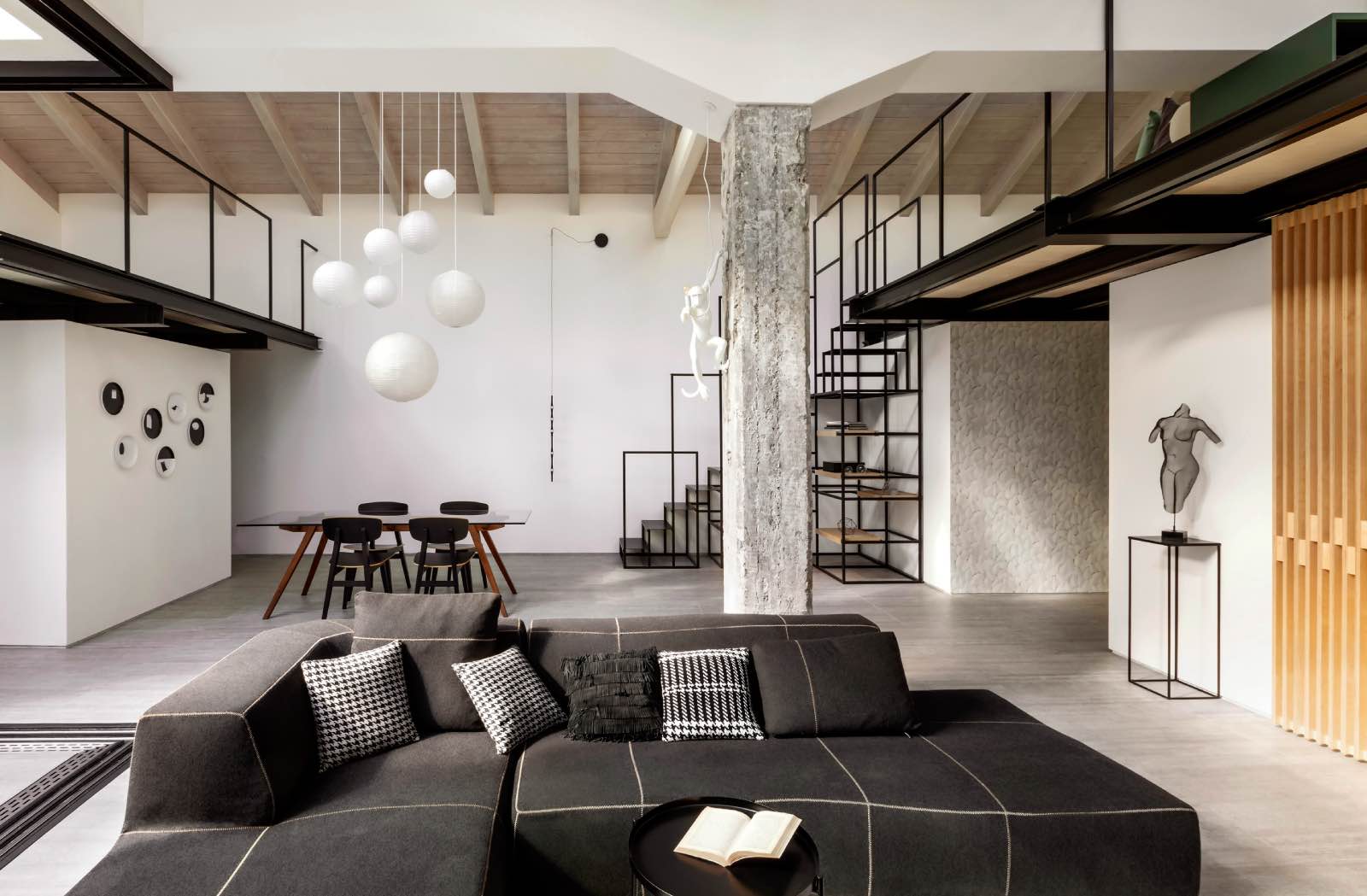
Creative Home Decor Ideas to Transform Every Space
Refreshing your home starts with smart design choices that combine comfort, personality, and functionality. Whether you want to modernize a small apartment, upgrade outdoor areas, or create cozy rustic interiors, these trending ideas can completely change the atmosphere of your space.
Outdoor Spaces That Increase Style and Functionality
Outdoor living continues to dominate modern home trends. Homeowners are increasingly investing in practical entertainment zones inspired by these BBQ shed ideas, which create the perfect setup for gatherings and weekend cooking sessions.
First impressions also matter when designing exteriors. Elegant farm entrance gates design ideas help properties stand out while improving privacy and curb appeal.
Compact living solutions are also gaining popularity. These inspiring 16x40 shed house interior design ideas show how smaller spaces can still feel luxurious and functional.
To enhance patios and entryways, homeowners are adding stylish protection with these creative porch awning exterior DIY ideas that blend aesthetics with practicality.
Rustic and Cozy Interior Design Trends
Warm and natural interiors remain timeless. These charming rustic decor ideas combine wood textures, vintage accents, and earthy tones to create welcoming spaces.
Bedrooms are becoming more personalized with curated wall arrangements. Many homeowners use these stylish picture wall ideas for bedroom spaces to display memories and artwork creatively.
Textured wall treatments are another major trend. Installing a board and batten wall adds architectural character while keeping interiors elegant and modern.
Similarly, bold accent wall ideas can instantly transform plain rooms into eye-catching focal points without requiring a full renovation.
Smart Kitchen and Organization Inspiration
Functional kitchens are essential for modern homes. These practical kitchen wall cabinet ideas maximize storage while maintaining a clean and stylish appearance.
Organization also starts at the entrance. Well-designed mud room ideas help families keep shoes, coats, and daily essentials neatly arranged.
Colorful and Personalized Home Styling
Vibrant interiors are becoming increasingly popular thanks to playful dopamine decor ideas that use bright colors and joyful accessories to improve mood and energy.
Gallery walls also continue to evolve as a major decorative feature. These trendy gallery wall inspiration ideas offer creative ways to combine prints, photos, and statement art.
Young renters and new homeowners are especially embracing these stylish first apartment aesthetic ideas to create sophisticated interiors on a budget.
Finally, selecting the right shades can dramatically influence any room’s atmosphere. These modern trendy color ideas help homeowners choose palettes that feel fresh, elegant, and timeless.
Final Thoughts
From rustic charm and colorful interiors to outdoor entertaining areas and functional storage solutions, today’s home decor trends focus on creating spaces that feel both beautiful and livable. By combining smart layouts, modern textures, and personalized decorative elements, any home can become more stylish, comfortable, and inspiring.










