


The Self-Fueled Fire is a new option to solve the ancient task of making a campfire in a practical way.
Properly constructed, this type of fire will burn through the night warming those nearby without the constant need for tending. Whether you're an avid outdoorsman or a weekend warrior, this campfire design will impress and perform.

Steps on how to build a self-fueled fire

NOTICE: Making a self-powered fire or campfire can best be described as impractical and unnecessarily complex due to safety measures.
Only attempt this type of campfire with fire safety equipment on hand and constant supervision!
#1: What you will need


- Some assembly is required for this setup and a variety of tools/parts must be gathered to get started.
- The list of items is as follows: a shovel/trowel for digging, rope or rigging for lashing, strong straight supports for the support frame, as well as a series of smooth, large diameter logs for fuel.
- Please review the images in this step for clarification and additional details.
- Additional tools or substituted material may be needed along with firefighting equipment for safety.
#2: Prepare a location

- The fire pit setup should be built in an open location free of plants and flammable materials (like all fires).
- The pit itself must be dug in a specific way for this type of fire to work. Approximate dimensions are as follows: The length of the well should run 5 to 6 inches longer than your largest fuel log.
- The width of the well will depend on the diameter of your fuel logs.
- Before setting up the frame, two fuel logs should be able to be set inside the fire pit side by side with little room to spare.
- The depth of the well can be 6-8 inches.
- Be sure to stack dirt along the long sides for use in a later step.
#3: Build the framework


- The frame for this fire requires two sides, each composed of two vertical slats and one horizontal slat joined together to resemble a capital H (as shown above).
- Studs should be spaced so that they are wide enough to act as ramps for fuel logs to feed into the fire.
- Be sure to remove any lumps or rough areas that could interfere with the sliding of the fuel logs.
- To attach the frame, I prefer to use a square tie with 1/4 inch sisal rope to assemble these frames.
- Substitutions for materials can be made as long as this fire design is fully understood and everything is taken into account.
- Fix the frame well, make sure the rigid parts are strong enough to support the weight of the wood and smooth ramps.
#4: Align the frame


- Once you've spanked both parts of the frame, you'll want to line them up with the prepared hole (as shown in the pictures above).
- Aligning the frame legs up will indicate where they should ben dig holes in the next step.
- Make sure the ties are tight and make any adjustments at this point as the frame will lift shortly after this step.
#5: Legs for the frame


- You will need to dig a shallow foundation to place each of the frame's vertical studs.
- These holes should be slightly larger than the diameter of the vertical post and partially dug into the side walls of the wells.
#6: Raise the frame


- The frame can be raised by placing the frame posts in position and lifting the horizontal cross piece.
- The reinforcing posts should rest below and behind the frame posts.
- Each side should be leveled and raised until the internal angle of the combined ramps reaches more than 90 degrees.
- Ground angles at 45 degrees.
- A layer of soil/clay needs to be packed around and above the base of the frame studs.
- This earthen barrier will insulate the vulnerable wood from the heat of the fire.
#7: Load the fuel logs


- The initial fuel logs must be placed and prepared to light in a specific way.
- You can make a space of an inch or so between the first two logs and keep them open by placing some wedges between the two logs.
- The space allows for uniform ignition of this fire and access to set tinder and kindling within and under the log space. The fire must be made to contain the flames along this space on the inside edge of the initial fuel logs.
- Failure to contain the flames between the two logs will lead to a critical failure... Which will likely result in a bonfire.
#8: Seal dirt ramps


- Before the fuel racks and lighting are fully loaded, dirt behind the ramps must form to create a seal.
- The purpose of the dirt seal is to prevent air from flowing under the fuel logs, this will prevent heat from moving and up the back of the logs which would eventually lead to an uncontrollable fire.
- The trick with this fire is controlling the amount of air and its source.
- The heat rises, let it escape on your terms.
#9: Ready to light the self-fueled fire or campfire!

- The frame should be ready to be loaded with fuel logs once the fire starter material is in place. Everything must be checked before turning on this system.
- Once started, the fire is designed to be nursed until the last fuel feeds the ramps over the course of many hours.
- Safety measures should always be in place when handling fires.
- Poorly executed construction of this project, as well as the ever-present risk of starting fires, demands that this not be attempted without expert and experienced supervision and fire control tools.
#10: Power on!

- The fire should be started along the fuel logs. The logs must burn evenly so that the previous logs are fed properly.
- Be safe with fire and be prepared to fail at this the first time. This system is impractical and unpredictable in its construction and use... but it can be done, and sometimes it is worth being able to achieve something just to say that it is possible.
Be very careful above all when building a self-fueled fire. That's all. Thanks for reading.
Don't forget to follow us on our social networks for more news!
Popular Content
How to make a rocket stove for outdoors
Cardboard Drawers Lined with Jeans
Ideas and Advantages of Window Grilles for the Home!
Latest Articles
How to make a refrigerator out of insulating material: Practical step-by-step guide
How to make a Kilim for the Home: Complete Step by Step Guide
How to protect ourselves from accidents in our workplace: Complete prevention and safety guide
Related Content
Pallet Wooden Lifting Support for a Laptop!
Compost Bin Ideas
Ways to Reuse Your Old Jeans
Learn to Paint Leather Shoes
Creative Home Decor Ideas to Transform Every Space
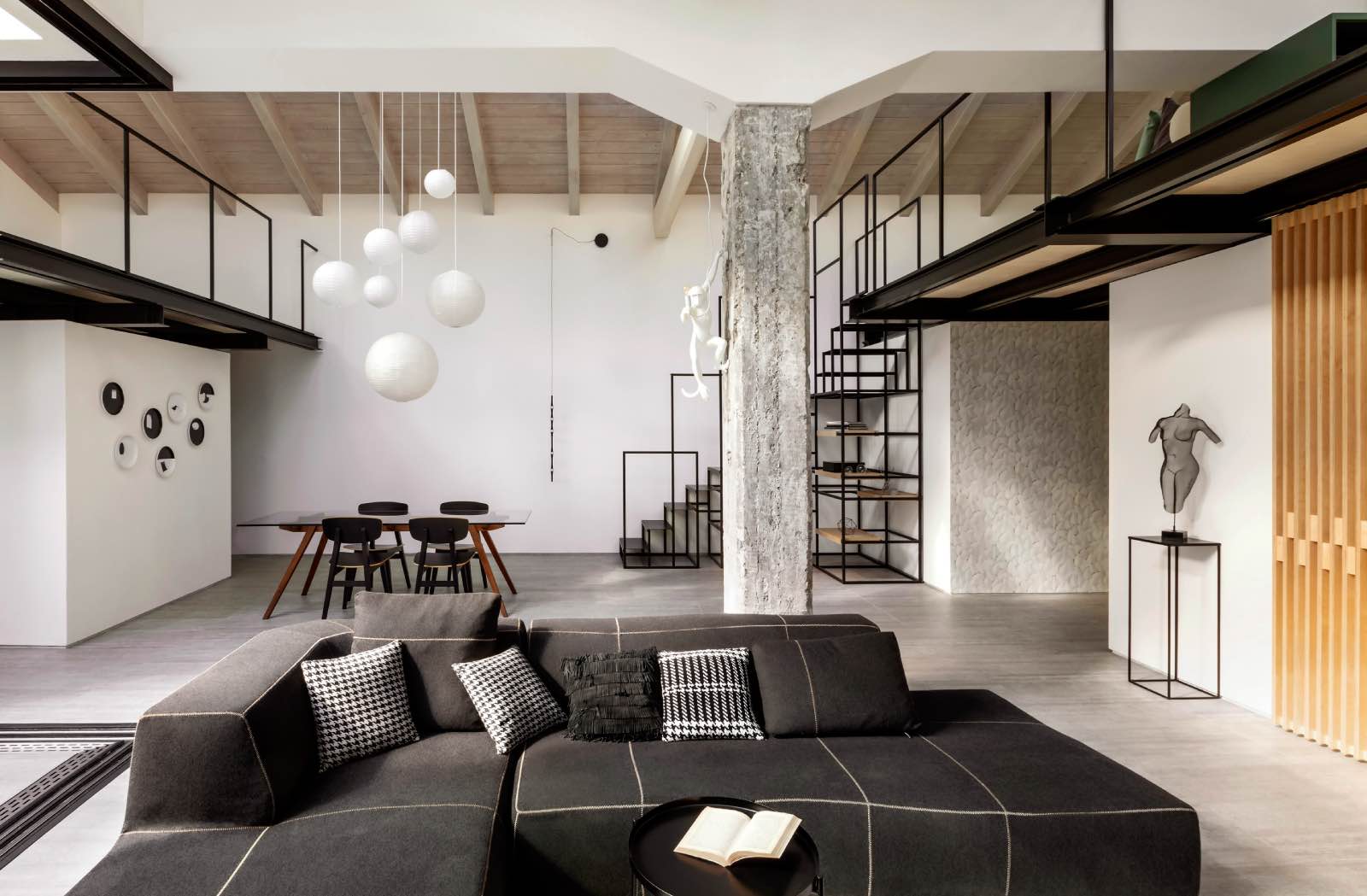
Refreshing your home starts with smart design choices that combine comfort, personality, and functionality. Whether you want to modernize a small apartment, upgrade outdoor areas, or create cozy rustic interiors, these trending ideas can completely change the atmosphere of your space.
Outdoor Spaces That Increase Style and Functionality
Outdoor living continues to dominate modern home trends. Homeowners are increasingly investing in practical entertainment zones inspired by these BBQ shed ideas, which create the perfect setup for gatherings and weekend cooking sessions.
First impressions also matter when designing exteriors. Elegant farm entrance gates design ideas help properties stand out while improving privacy and curb appeal.
Compact living solutions are also gaining popularity. These inspiring 16x40 shed house interior design ideas show how smaller spaces can still feel luxurious and functional.
To enhance patios and entryways, homeowners are adding stylish protection with these creative porch awning exterior DIY ideas that blend aesthetics with practicality.
Rustic and Cozy Interior Design Trends
Warm and natural interiors remain timeless. These charming rustic decor ideas combine wood textures, vintage accents, and earthy tones to create welcoming spaces.
Bedrooms are becoming more personalized with curated wall arrangements. Many homeowners use these stylish picture wall ideas for bedroom spaces to display memories and artwork creatively.
Textured wall treatments are another major trend. Installing a board and batten wall adds architectural character while keeping interiors elegant and modern.
Similarly, bold accent wall ideas can instantly transform plain rooms into eye-catching focal points without requiring a full renovation.
Smart Kitchen and Organization Inspiration
Functional kitchens are essential for modern homes. These practical kitchen wall cabinet ideas maximize storage while maintaining a clean and stylish appearance.
Organization also starts at the entrance. Well-designed mud room ideas help families keep shoes, coats, and daily essentials neatly arranged.
Colorful and Personalized Home Styling
Vibrant interiors are becoming increasingly popular thanks to playful dopamine decor ideas that use bright colors and joyful accessories to improve mood and energy.
Gallery walls also continue to evolve as a major decorative feature. These trendy gallery wall inspiration ideas offer creative ways to combine prints, photos, and statement art.
Young renters and new homeowners are especially embracing these stylish first apartment aesthetic ideas to create sophisticated interiors on a budget.
Finally, selecting the right shades can dramatically influence any room’s atmosphere. These modern trendy color ideas help homeowners choose palettes that feel fresh, elegant, and timeless.
Final Thoughts
From rustic charm and colorful interiors to outdoor entertaining areas and functional storage solutions, today’s home decor trends focus on creating spaces that feel both beautiful and livable. By combining smart layouts, modern textures, and personalized decorative elements, any home can become more stylish, comfortable, and inspiring.










