

O açúcar invertido, também chamado de xarope invertido, açúcar invertido ou Trimoline — um nome comercial pelo qual também é conhecido — é um ingrediente altamente valorizado na fabricação de sorvetes e pastelaria caseiros , e é até usado na produção de cervejas caseiras.
A receita de açúcar invertido que propomos aqui é especialmente simples e não requer nenhum ingrediente incomum que você provavelmente já tenha em casa. Como veremos, para prepará-lo você só precisará de açúcar, água e suco de limão, que fornecerá o ácido necessário.
Quanto ao ácido, é muito comum usar o creme de tártaro ou os típicos pacotes de fermento em pó que incluem um sachê de ácido tartárico. No entanto, não é necessário usar esses produtos. Você pode usar um ácido muito mais fácil de encontrar a qualquer momento: o ácido cítrico presente no suco de limão.
O açúcar invertido é obtido transformando a sacarose, ou açúcar comum, em seus açúcares simples, a saber, glicose e frutose. O produto dessa reação é conhecido como açúcar invertido e tem uma composição semelhante ao mel, embora com um sabor mais neutro.
Entre suas qualidades está sua capacidade de reter umidade e prevenir a cristalização do açúcar, resultando em sorvetes mais cremosos e massas de pastelaria mais suculentas. Ele também promove a fermentação de massas com fermento. Além disso, abaixa o ponto de congelamento das preparações em que está presente, tornando-o especialmente útil para sorvete caseiro, pois ajuda a criar um produto mais cremoso e fácil de manusear.
O açúcar invertido tem um maior poder adoçante do que outros açúcares, permitindo que você reduza a quantidade de açúcar sem comprometer a doçura do produto final.
Na fabricação caseira de cerveja, o açúcar invertido é conhecido como açúcar candy , e sua preparação é semelhante à descrita nesta receita, com a única exceção de que a temperatura atingida durante o processo de brassagem é significativamente maior do que a usada para assar. Isso resulta em um xarope mais escuro que adiciona cor e outras nuances à cerveja.
Antes de começarmos com a receita de açúcar invertido, vamos ter uma breve aula de química que explicará todo o processo para entendermos a razão por trás de cada etapa.
Para isso, desenterrei minhas antigas anotações sobre técnicas de química experimental, pois recentemente conduzi um experimento de laboratório que envolveu inverter uma solução de sacarose, naquela ocasião usando ácido clorídrico, para determinar a porcentagem de sacarose hidrolisada medindo o ângulo de rotação da solução resultante com um polarímetro.
O que é açúcar invertido?
Para entender o que é açúcar invertido e por que ele tem um nome tão peculiar, primeiro precisamos explicar o que é açúcar.
O que conhecemos como açúcar comum ou açúcar de mesa é um açúcar cujo nome específico é sacarose. A sacarose é um dissacarídeo, ou seja, uma molécula formada por dois monossacarídeos, ou em outras palavras, uma molécula formada por dois açúcares simples. Os açúcares simples que compõem a molécula de sacarose são a glicose e a frutose.
A sacarose pode ser decomposta em seus açúcares simples pela quebra da ligação que os une, por meio de uma reação química chamada hidrólise. O produto dessa reação é o que é conhecido como açúcar invertido. A mistura resultante contém glicose e frutose em quantidades iguais, além da sacarose remanescente que não foi hidrolisada e ainda está presente.
De onde vem o nome açúcar invertido?
A sacarose, a glicose e a frutose são todas moléculas opticamente ativas. Isso significa que quando a luz polarizada passa por elas, elas giram o plano de polarização dessa luz por um ângulo específico.
De fato, medir esse ângulo com um polarímetro é uma técnica amplamente utilizada na indústria alimentícia, permitindo a determinação da concentração de certas substâncias. Cada substância tem um valor de rotação específico e característico para esse ângulo.
A sacarose e a glicose giram o plano da luz polarizada para a direita, enquanto a frutose o gira para a esquerda, e em um ângulo consideravelmente maior do que a glicose. Antes da hidrólise, a sacarose girava o plano da luz polarizada para a direita, mas após a hidrólise, devido à frutose presente na mistura resultante, o plano da luz polarizada é girado para a esquerda. Daí o nome açúcar invertido.
Como o açúcar invertido é obtido?
A hidrólise, ou quebra da ligação entre a glicose e a frutose que formam a sacarose, pode ser realizada por uma enzima específica, que geralmente não é um ingrediente comum nas despensas domésticas, ou por um ácido, que é muito mais fácil de obter em casa.
Assim, ao aquecer uma solução aquosa de sacarose na presença de um ácido, podemos obter facilmente o que é chamado de açúcar invertido.
O propósito do ácido, assim como do calor, é promover a reação química; ou seja, o ácido neste caso atua como um catalisador para a reação, fornecendo o meio necessário para que ela prossiga, mas não participa da própria reação. Os reagentes, portanto, seriam a sacarose e a água, e os produtos, a glicose e a frutose.
Como podemos preparar açúcar invertido em casa?
Para preparar açúcar invertido em casa, basta preparar e aquecer uma solução de sacarose em meio ácido. A proporção ideal para uma preparação caseira fácil é: para cada quilograma de açúcar, meio quilograma de água e um grama de ácido alimentício. O ácido alimentício mais fácil de obter é o ácido cítrico.
SComo o ácido cítrico está presente no suco de limão em uma concentração de aproximadamente 5%, precisamos de 20 gramas de suco de limão para obter um grama de ácido cítrico. Portanto, para inverter 1 kg de açúcar, precisaríamos de 0,5 kg de água e 20 gramas de suco de limão. Para outras quantidades, simplesmente multiplicaríamos ou dividiríamos essas quantidades.
É necessário neutralizar o açúcar invertido com bicarbonato de sódio?
Não é necessário. Como explicamos anteriormente, na reação que produz o açúcar invertido, o ácido adicionado atua como um catalisador, fornecendo o meio necessário para a reação ocorrer.
Ele não participa da reação em si, então neutralizar esse ácido após a reação estar completa não acrescenta nada. Além disso, a quantidade de ácido adicionada é mínima, e seu sabor é imperceptível no produto final.
Como o açúcar invertido é usado?
É importante ter em mente que o açúcar invertido tem um poder adoçante maior do que o açúcar comum ou a sacarose. Portanto, simplesmente substituir uma quantidade de açúcar por açúcar invertido resultará em uma preparação significativamente mais doce do que a original. Além disso, é crucial lembrar que na panificação, as proporções de líquidos e sólidos devem ser cuidadosamente equilibradas. Substituir açúcar líquido por açúcar sólido, como é o caso do açúcar invertido, alterará essa proporção.
Portanto, as substituições de açúcar comum e adoçantes em receitas por açúcar invertido geralmente devem ser parciais, moderadas e com a quantidade de açúcar invertido adicionada sendo menor do que a quantidade de açúcar removida da mistura. Assim, a porção de açúcar comum que é substituída em uma receita deva ser substituído por aproximadamente 25% menos de açúcar invertido.
Em relação à quantidade de açúcar a ser substituída por açúcar invertido, isso dependerá da preparação, da quantidade de açúcar na receita e dos outros ingredientes presentes, embora aproximadamente a ordem de grandeza seria: para a preparação de sorvete caseiro, até 25% do açúcar comum poderia ser substituído por açúcar invertido, em massas doces até 20% e, em pão , onde a quantidade de açúcar é muito menor do que em outras preparações, cerca de 50%.
Vamos para a receita!
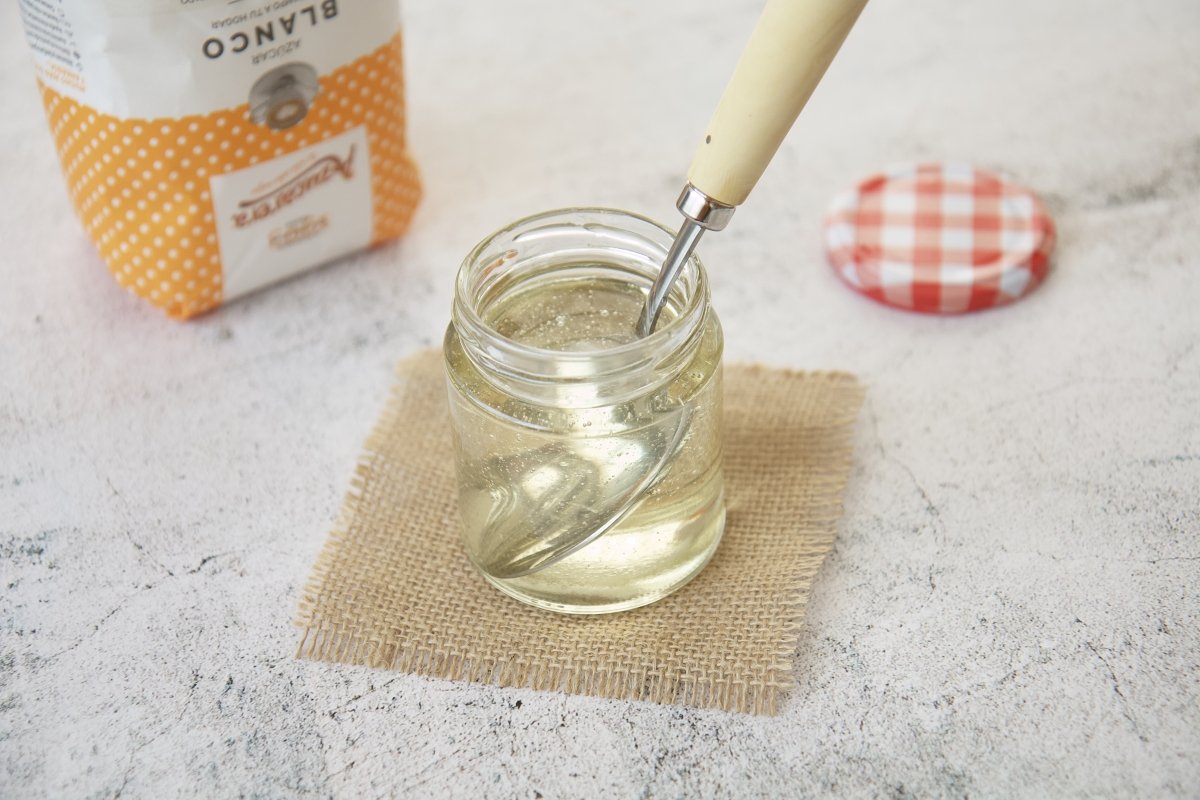
Informações da Receita
- Tempo de preparo : 5 minutos
- Tempo de cozimento : 10 minutos
- Tempo total : 15 minutos
- Porções : 8
- Categoria : Confeitaria
- Tipo de cozinha : internacional
- Calorias por porção (kcal) : 125
Ingredientes do açúcar invertido
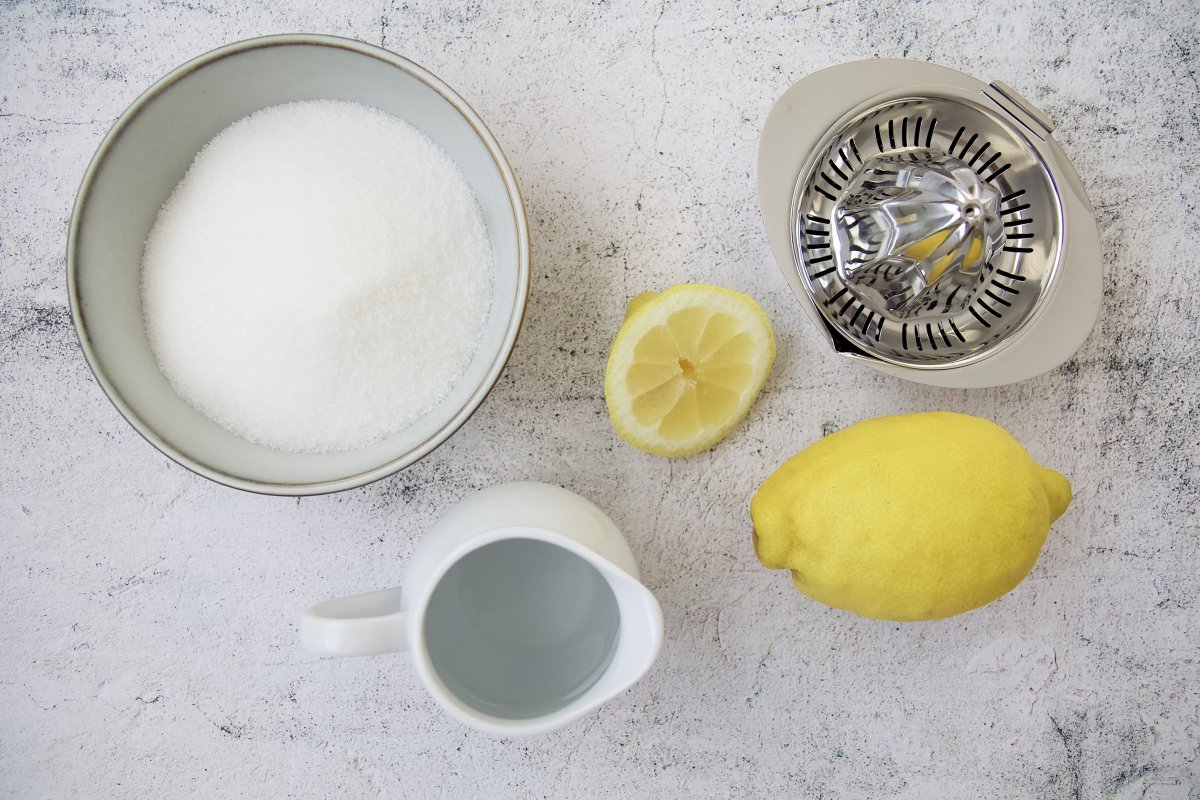
- 250 g de açúcar comum
- 125 g de água com baixo teor mineral
- 5 g de suco de limão
Utensílios necessários
- Um termômetro de cozinha
- Uma panela de aço inoxidável ou vidro (evite ferro, alumínio ou cobre, pois podem reagir com a mistura)
Como fazer açúcar invertido
Primeiro, coloque 250g de açúcar granulado, 125g de água e 5g de suco de limão em uma panela e leve-a ao fogo médio-baixo. Monitoraremos o aumento da temperatura com um termômetro.
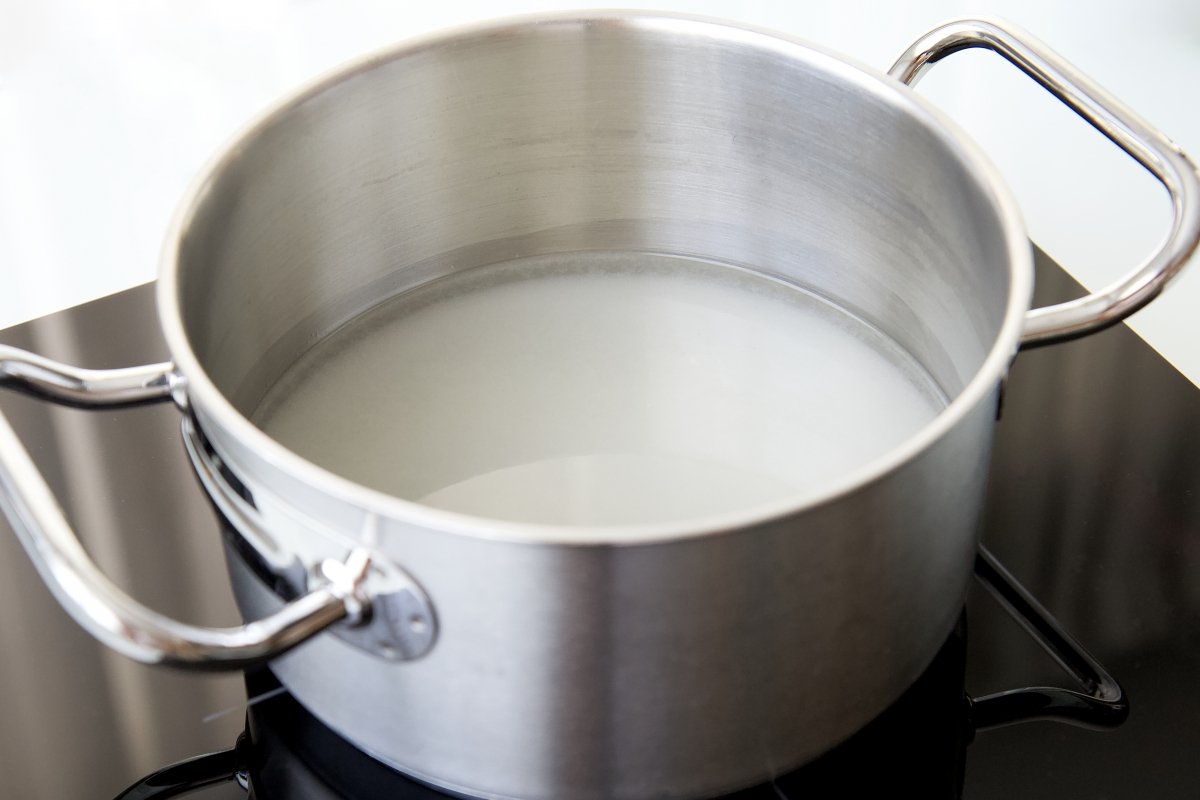
Enquanto a mistura não ferver, podemos mexê-la suavemente para ajudar o açúcar a dissolver. Assim que virmos a mistura começar a ferver, devemos parar de mexer, pois isso pode causar cristalização.
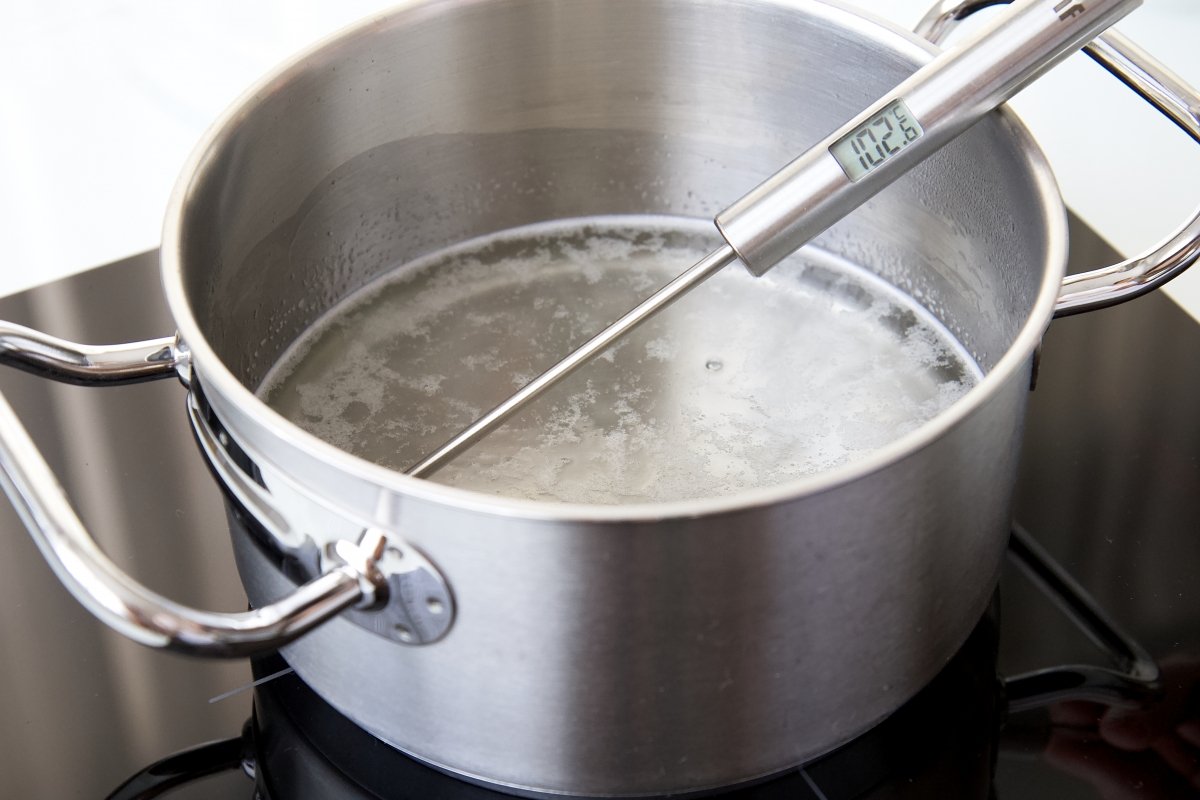
Continuamos aquecendo até vermos que em algum momento ultrapassa 114°C. Embora inicialmente a temperatura suba rapidamente e de forma gradual, uma vez que ultrapassa 100°C, chegará um ponto em que parecerá parar de aumentar. Isso é normal. Após alguns minutos, ela subirá novamente e rapidamente atingirá 114°C.
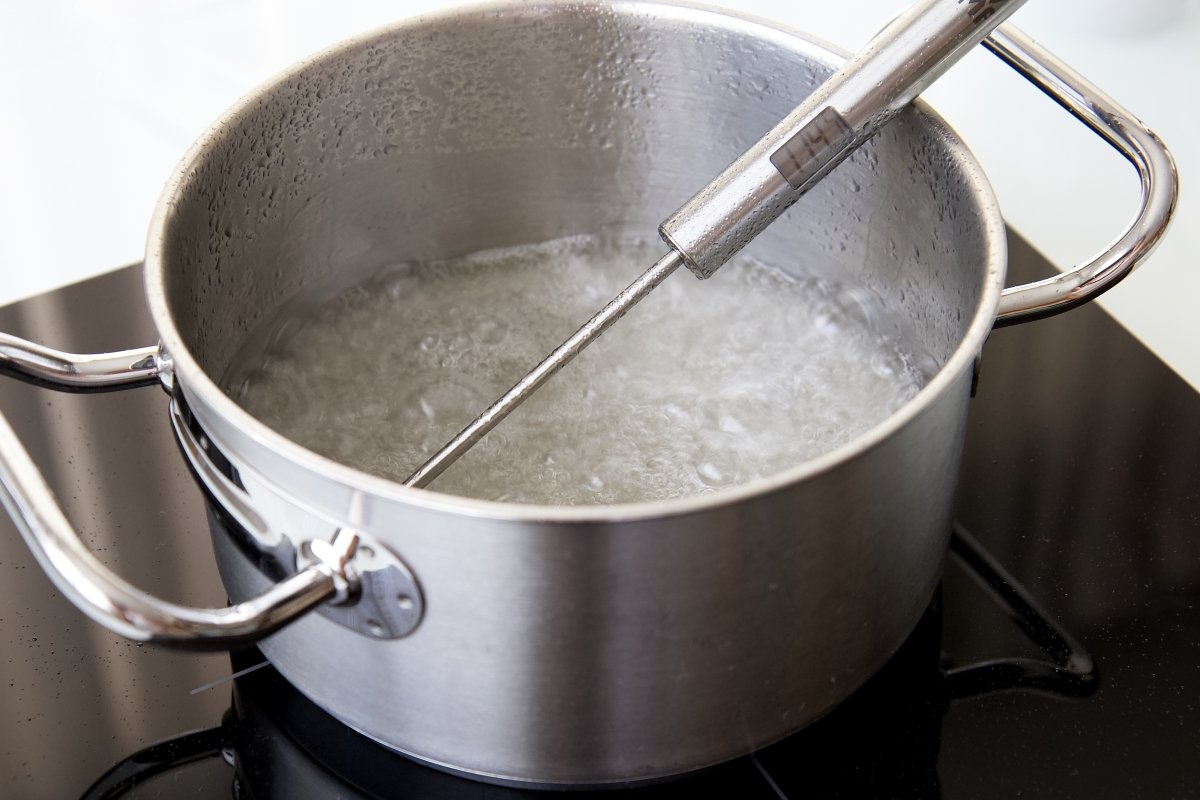
Quando vemos que ultrapassa 114ºC, retiramos a panela do fogo e deixamos a mistura esfriar até a temperatura ambiente.
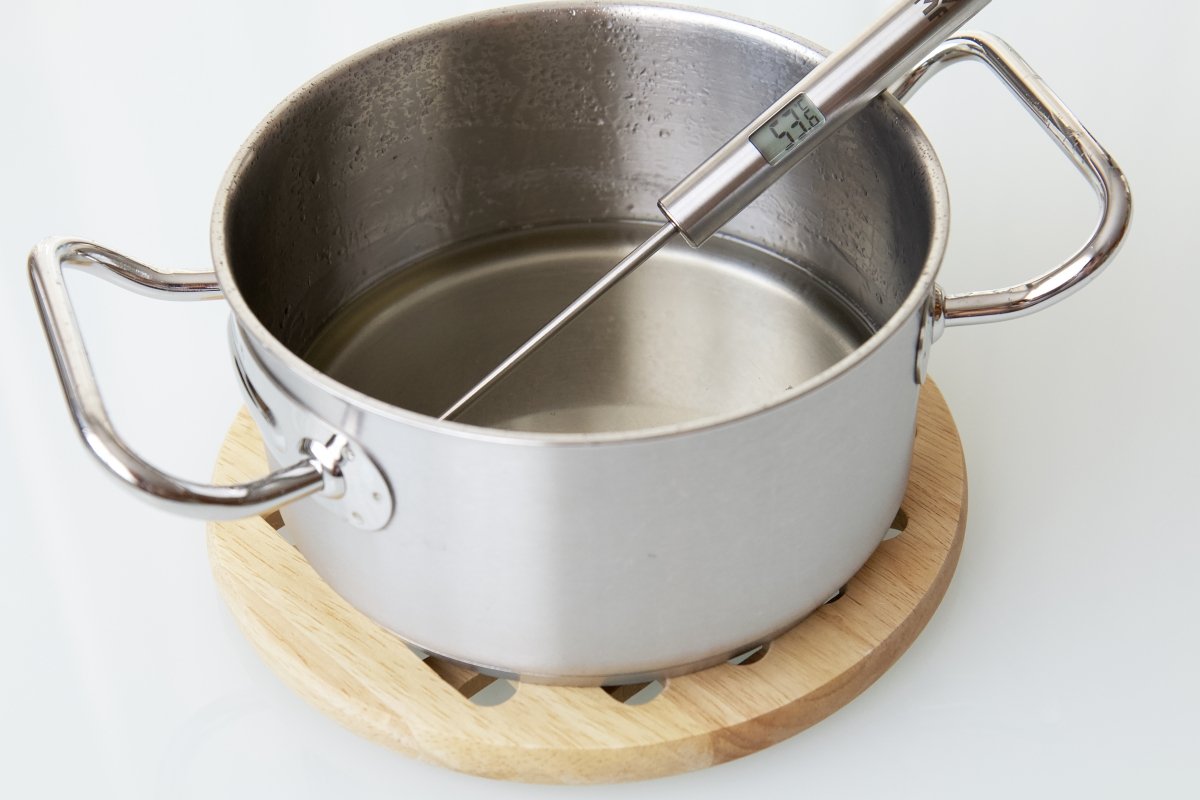
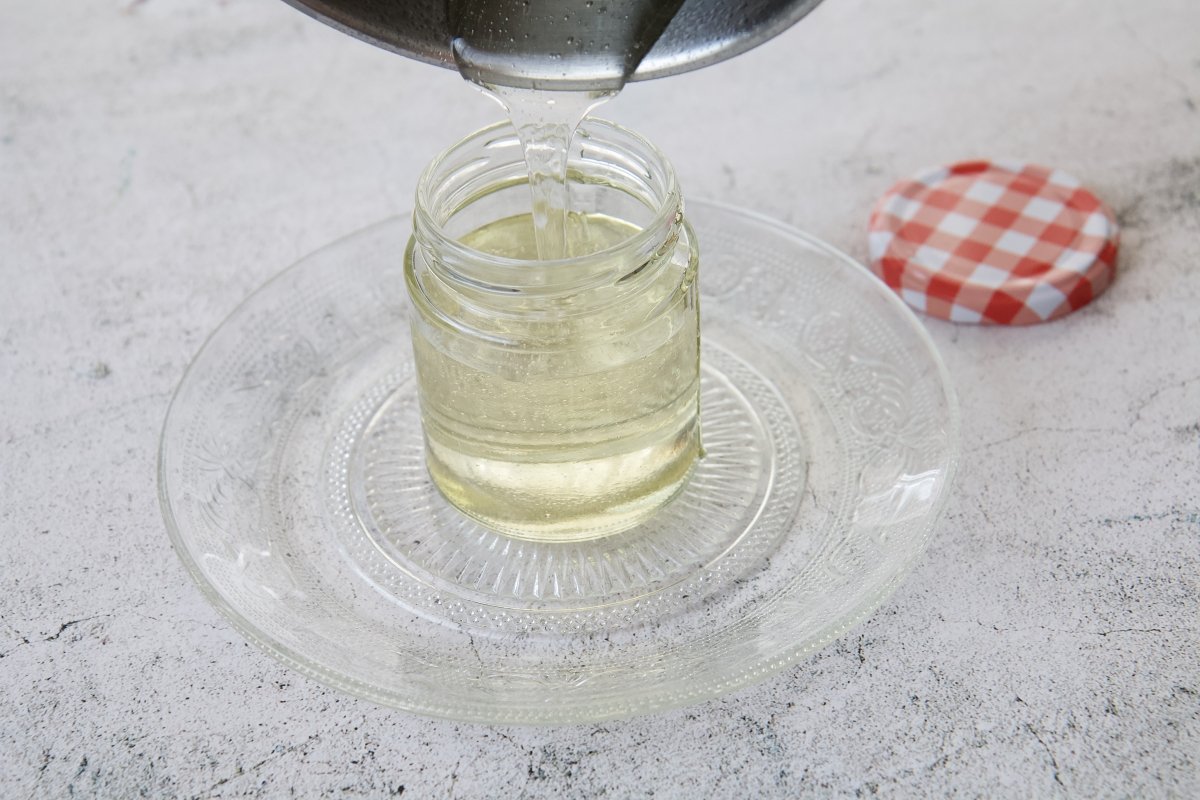
Assim que a mistura esfriar, seu açúcar invertido estará pronto para usar. Qualquer porção não utilizada pode ser transferida para um pote de vidro e armazenada na geladeira, onde se conservará perfeitamente por vários meses.
Se cristalizar devido à refrigeração, basta reaquecê-lo brevemente no micro-ondas, e estará pronto para usar!
Resumo de preparo fácil
- Combinamos o açúcar, a água e o suco de limão em uma panela de aço inoxidável ou vidro.
- Misturamos com cuidado para ajudar a dissolver a sacarose e apenas até a mistura começar a ferver.
- Continuamos a aquecer suavemente o açúcar dissolvido, controlando cuidadosamente a temperatura.
- Quando a mistura ultrapassar 114°C, desligamos o fogo.
- Retire a panela do fogo e deixe a mistura esfriar.
- Agora temos açúcar invertido caseiro pronto para usar em nossos sorvetes e sobremesas favoritos
30 Melhores Receitas Que Adoro Fazer em Casa
Se você é como eu, provavelmente gosta de ter à mão uma mistura de comida caseira fácil, pratos internacionais clássicos e sobremesas que agradam a todos.
Sempre que quero algo rico e indulgente, geralmente opto por esta receita de Cheesecake Derretido La Viña, esta elegante receita de Crème Brûlée Francês Original, ou um decadente Bolo de Mousse de Chocolate. E quando estou com vontade de algo frutado e reconfortante, sempre volto para esta clássica receita de Tarte Tatin Francesa.
Para cafés da manhã fáceis e refeições leves, costumo fazer esta receita fofa de Panquecas de Aveia e Banana, esta satisfatória receita de Batata-Doce Recheada, ou estas frescas Ovos Recheados com Abacate e Salmão. Quando preciso de um item básico da despensa sem glúten, também gosto de preparar esta simples receita de Farinha de Arroz sem Glúten.
Quando estou a fim de tapas e sabores mediterrâneos, costumo alternar entre esta intensa receita de Atum Basco com Tomate, crocante receita de Patatas Bravas na Air Fryer, cremosa receita de Molho Grego Tirokafteri e refrescante receita de Salada de Burrata com Tomate e Pesto. Também adoro servir esta crocante receita italiana de Vitello Tonnato quando quero algo um pouco mais especial.
Para almoços fartos e jantares aconchegantes, sempre recomendo este reconfortante receita de Almôndegas ao Molho Espanhol, tradicional receita de Almôndegas ao Molho de Amêndoas, rico receita de Molho Bolonhesa Italiano e cremoso receita de Croquetes de Frango na Thermomix. Se quero algo mais substancioso, costumo fazer esta assada receita de Pastitsio Grego, rústica receita de Ensopado de Batata e Lula, ou o ultra-reconfortante receita de Boeuf Bourguignon Francês.
Sempre que estou com vontade de comida de rua ou pratos de festa, costumo fazer esta suculenta receita de Kebab de Frango Doner Caseiro, crocante receita de Salchipapas, saborosa receita de Carnitas Mexicanas de Porco, ou esta crocante receita coreana de Hobak Jeon. Também gosto de servir estes fáceis Anéis de Abobrinha na Air Fryer como um aperitivo ou lanche simples.
E se estou preparando bebidas e um cardápio completo para convidados, costumo acompanhar o jantar com esta refrescante receita de Mojito Cubano Original, esta marcante receita de Long Island Iced Tea, ou uma jarra desta frutada receita de Sangria Espanhola Sangrenta. Para completar tudo, adoro adicionar este picante Molho Remoulade Francês como acompanhamento ou finalizar a mesa com este impressionante Arroz Negro Mediterrâneo com Lula.
Mais Receitas Deliciosas

Ao longo dos anos testando e refinando receitas na minha própria cozinha, aprendi que os melhores pratos combinam simplicidade, técnicas confiáveis e sabores marcantes.
As receitas desta coleção são aquelas às quais eu pessoalmente volto repetidamente — seja para cozinhar uma refeição rápida para mim mesma ou para preparar algo especial para amigos e família.
Para a sobremesa, o rico e sedoso Mousse de Laranja e Chocolate é uma receita que faço frequentemente quando quero algo elegante, mas fácil. Outro doce favorito é o caramelizado Trdelnik, o Pastel Eslavo, inspirado no famoso bolo-chaminé da Europa Central. Se você gosta de assar, aprender a fazer xarope para melhorar a textura das sobremesas é útil, e minha Receita de Açúcar Invertido explica exatamente como eu o preparo na minha própria cozinha.
Quando quero algo fresco e simples, costumo recorrer à clássica Receita de Salada Caprese Italiana ou a um Ovo Pochê Simples perfeitamente cozido. Para refeições reconfortantes e mais substanciosas, costumo recomendar o satisfatório Sanduíche de Almôndega, o cremoso Estrogonofe de Carne Russo e o favorito rápido para as noites de semana, a Massa de Uma Panela Só.
Também adoro compartilhar pratos tradicionais de todo o mundo, incluindo o autêntico Receita de Ensopado de Peixe Sorropotún de Bonito, os crocantes Receita de Sopaipillas Chilenas de Abóbora e o clássico espanhol Receita de Cochifrito Segoviano (Porco Frito).
Receitas para air fryer são outra categoria que cozinho regularmente porque economizam tempo e ainda produzem ótima textura. Minhas opções preferidas incluem Receita de Costelinha de Porco na Air Fryer, Receita de Coxa de Frango na Air Fryer, Receita de Batata-Doce na Air Fryer, Receita de Batata Assada na Air Fryer, Receita de Pimentões na Air Fryer, Receita de Sanduíche Misto na Air Fryer, Receita de Pão Torrado na Air Fryer e Receita de Ovos Cozidos na Air Fryer.
Para quem evita trigo, minha reconfortante Receita de Lasanha Sem Glúten prova que pratos clássicos de massa assada ainda podem ser ricos, cheios de queijo e incrivelmente satisfatórios sem glúten.
Receita de Massa para Empanada Sem Glúten 🍕 Receita de Bolo de Maçã Fofinho 🍔 Receita de Pão Frito Húngaro Lángos 🌭 Receita de Brioche Francês Sem Glúten 🍟 Receita de Bolo Inglês Madeira 🌮 Receita de Biscoitos Argentinos de Chocolate Alfajores 🌯 Receita de Pão Doce Irlandês Barmbrack 🥙 Receita de Biscoitos Sem Glúten 🥗 Receita de Biscoito Galego Maruxas com Creme Caseiro 🍝 Receita de Massa para Guioza (Dumplings Japoneses)
Receita de Biscoitos Americanos Sem Glúten 🍜 Receita de Bolo-Rei Sem Glúten 🍲 Receita de Bolo de Chocolate Sem Glúten 🍛 Receita de Acelga à Moda da Extremadura 🍣 Receita de Pão de Sanduíche Fatiado Cetogênico 🍱 Receita de Waffles Sem Glúten 🍤 Receita de Pizza Low Carb Cetogênica 🍗 Receita de Pãezinhos Sem Glúten 🍖 Receita de Pães Sem Glúten Sem Farinha 🥓 Receita de Sorvete Proteico 🥞 Receita de Sobremesa de Pudim de Chia com Sementes
Receita de Pão Nuvem Fofinho Pan Nube 🧇 Receita de Pão de Quinoa 🍞 Receita de Schiacciata Pão Chato Focaccia Toscana 🥐 Receita de Pão de Leite Japonês Shokupan 🥨 Receita de Pão de Sanduíche de Batata 🧀 Receita de Grissini Caseiro 🍳 Receita de Bolo Alemão Stollen com Frutas Secas 🥚 Receita de Bolo de Gengibre Francês Temperado 🍰 Receita de Panquecas Sem Glúten
🥔 Omelete-de-Batata-na-Thermomix 🍓 Sobremesa-Sanduíche-de-Smores 🍰 Bolo-Mimosa-do-Dia-da-Mulher ☕ Sorvete-de-Café 🍆 Pizza-de-Beringela 🍋 Ciambella-Bolo-Italiano-de-Limão 🥖 Zapiekanka-Lanche-Polonês 🌰 Dukkah-Mistura-Egípcia-de-Castanhas 🧆 Melhor-Hommus 🥑 Melhor-Abacate
Browse the Shop
 Acacia frida deluxe solid wood bed frame |
Bedroom bench |
Bed chest drawers |
Lingerie dresser |
Frame base |
Mirror with jewelry storage |
30 Bathroom Vanity |
Memory foam queen mattress |
Mattresses for back pain |
Nightstand set of 2 |
Grand Goldman Shop |
Civil Lawyer
Deutschland Trikot WM 2026
Acacia frida deluxe solid wood bed frame |
Bedroom bench |
Bed chest drawers |
Lingerie dresser |
Frame base |
Mirror with jewelry storage |
30 Bathroom Vanity |
Memory foam queen mattress |
Mattresses for back pain |
Nightstand set of 2 |
Grand Goldman Shop |
Civil Lawyer
Deutschland Trikot WM 2026










